Archived: 20 October 2026
Abstract
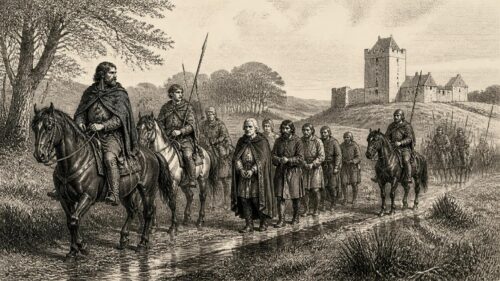
In 1466, Conn Ó Conchobhair Fáilghe defeated the lordship’s Meath and Leinster expedition in Uí Fhailí, capturing Deputy Earl Thomas FitzGerald of Desmond before Dublin men rescued him from Carbury. The defeat enabled raids and strengthened Tadhg Ó Briain of Thomond, who extracted concessions from Desmond and Limerick, but died later that year. Warfare also affected Oriel and Connacht, where rival lordships used alliances, hostages, cattle and tribute to maintain power. Plague struck Dublin, Meath and Leinster, while fire damaged Holy Trinity Abbey on Lough Key. Deaths of rulers, clergy and learned men illustrated Ireland’s precarious, locally negotiated political order.
Read Article
Archived: 22 October 2026
Abstract
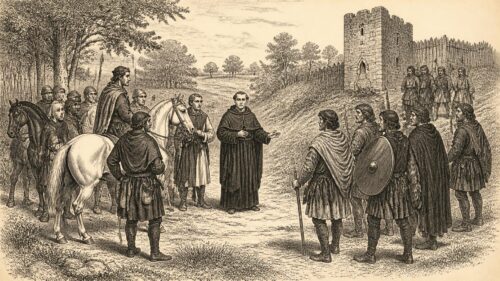
In 1368, Irish authority remained fragmented and precarious. Aed Ó Conchobair, king of Connacht, died at Roscommon and Ruaidri Ó Conchobair succeeded amid partition, contested claims, disease and the killing of Tadc Ó Conchobair, which deepened dynastic hostility. In Oriel, Niall Ó Néill accepted Brian Mac Mathghamhna’s submission, but unauthorised allies attacked and were defeated with heavy losses. In Kildare, Berminghams captured royal chancellor Thomas de Burley and other officials, securing his exchange for an imprisoned kinsman and ransoms. On 17 October, fire destroyed St Mary’s monastic church at Trim. Together, these events show institutions dependent on unstable personal alliances.
Read Article
Archived: 24 October 2026
Abstract
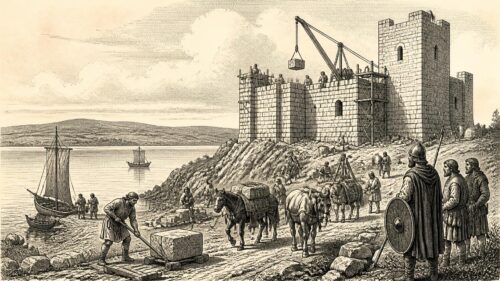
In 1305, Ireland experienced interconnected local conflicts amid divided Gaelic and Anglo-Irish lordships. Piers de Bermingham treacherously killed Muirchertach Ó Conchobair Fhailghe, his brother and leading followers at Carbury Castle, exposing fragility of frontier agreements. Áed Ó Conchobair’s forces defeated Muintir Raighilligh, causing heavy losses, while warfare and killings disturbed Leinster, Desmond and Breifne. Annals also noted early-summer hardship, without specifying its cause. Richard de Burgh built Northburgh Castle on Lough Foyle, strengthening Ulster influence. Meanwhile, royal administration continued through payments, legal inquiries and ecclesiastical property regulation, illustrating Ireland’s patchwork of competing powers across towns, lordships, churches, and royal jurisdictions.
Read Article


