

Related Archive: Catholic Church

Bloody Sunday and Direct Rule

Bloody Sunday and Direct Rule

Archived: 8 October 2026

Abstract

In 1972, violence and constitutional change reshaped Ireland. Bloody Sunday in Derry, when British soldiers killed fourteen civilians, intensified nationalist anger and accelerated Northern Ireland’s political crisis. Westminster suspended Stormont in March, imposing direct rule, while paramilitary violence, Bloody Friday and Operation Motorman deepened insecurity. The Republic strengthened emergency powers after violence spread south, including Dublin bombings. Simultaneously, Jack Lynch’s government pursued European integration. Voters overwhelmingly approved the constitutional amendment enabling EEC accession, due in 1973. December referendums also lowered the voting age to eighteen and removed constitutional recognition of the Catholic Church’s special position, signalling a more pluralist State.
Read Article

Church Street and the Rotunda

Church Street and the Rotunda

Archived: 9 October 2026

Abstract

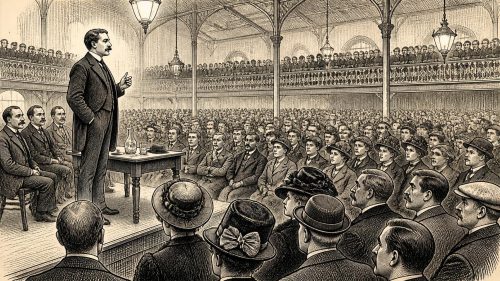
In 1913, the Third Home Rule Bill intensified conflict between constitutional nationalism and Ulster unionism, whose Volunteer Force prepared to resist self-government. Dublin’s Lockout pitted James Larkin’s ITGWU against employers led by William Martin Murphy, bringing exclusion, Bloody Sunday violence, hunger and disputes over relief for children. The collapse of Church Street tenements, killing seven, highlighted urban housing failures. Labour activists formed the Irish Citizen Army, while nationalists founded the Irish Volunteers at the Rotunda in response to unionist militarisation. Cultural debates involving Yeats and the Gaelic League reflected public identities, leaving Ireland divided, mobilised and distrustful of parliamentary solutions.

Read Article