civic elections

Civic Compromise

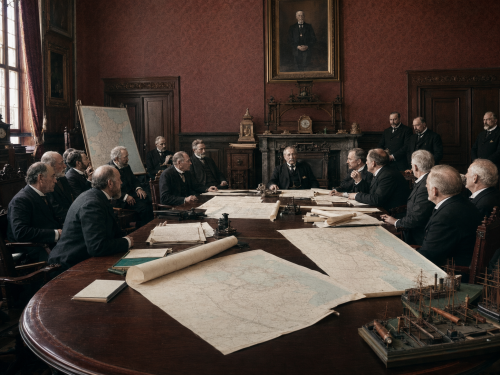
Mayor John Daly was returned unopposed when Limerick Corporation assembled for its quarterly election of civic officers. The council then proceeded to choose three qualified burgesses whose names would be submitted for appointment as City High Sheriff. The principal contest appeared likely to involve the serving sheriff, Thomas H. Cleeve, and John F. Power. Their disagreement arose from the proposed amalgamation of the Waterford, Limerick and Western Railway with the Great Southern and Western Railway, an issue that had united much of the Corporation, harbour administration and commercial community in organised opposition.
Civic Inheritance

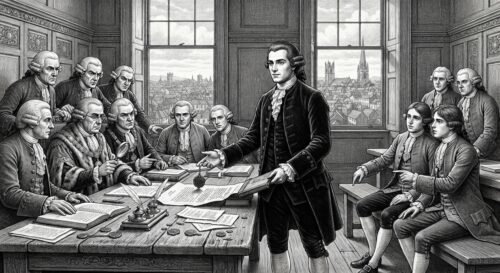
Edmond Pery successfully asserted a remarkable inherited privilege in 1677 when he claimed two votes in Limerick’s common council. The right was traced through the Sexten family to the former priors of St Mary’s, whose religious property and privileges had passed into private ownership following the dissolution of the monasteries. Pery argued that succession to those lands carried political rights as well as rents and property. His achievement gave the family an unusual position within Limerick’s civic government, where elections for the mayor and common councillors shaped the distribution of authority among merchants, aldermen and established urban families.

Now Sharing: Articles (154) Images (296) Total Items Archived (450)
Our Mission: 100,000 Items Total Percentage Achieved (0.45%)