Membership is completely free, giving members unlimited access to all available resources, services, features, and benefits without any restrictions or fees.
Welcome back. Sign in to continue enjoying unlimited access to all available resources, services, features, and member benefits at no cost.
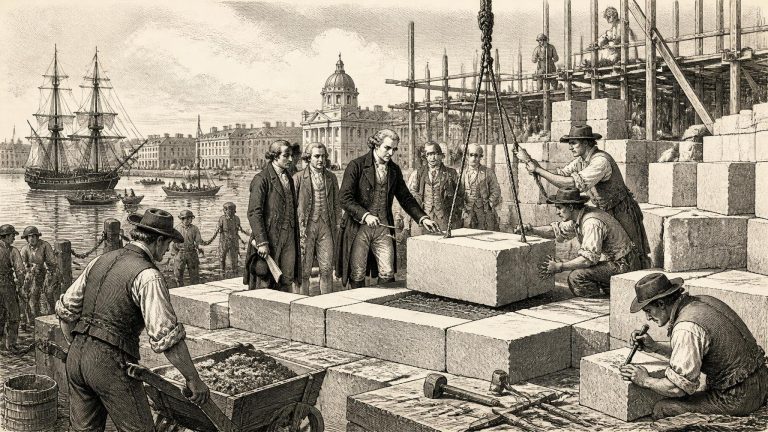
James Gandon, the English-born architect who would make Dublin his adopted home, arrived in the city in April 1781 to oversee the proposed new Custom House. The scheme was promoted by John Beresford, chief commissioner of Irish revenue. It was never merely an architectural exercise. Customs duties mattered enormously to the administration, while the location of the new building, farther east on the north bank of the Liffey, was intended to pull mercantile activity and official supervision towards the developing lower river.
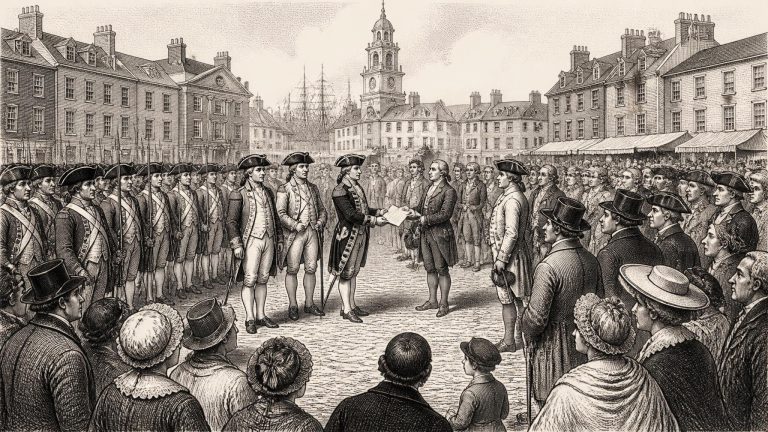
The immediate background was the commercial agitation of 1779. Ireland had long been constrained by legislation made at Westminster: restrictions bore especially heavily on overseas trade and manufacturing, while war disrupted customary markets and shipping. Under pressure from Irish merchants, parliamentary Patriots and Volunteer corps, the British government began removing particular restrictions late in 1779. Further measures followed during 1780. On 24 February, an Act permitted trade between Ireland and the British colonies and plantations in America and the West Indies on terms comparable to those available from Britain; another March measure widened Irish access to imports and exports available to British merchants in the Levant trade.