Explore every Emerald Archives article connected with
European Union.
2010–2019 CE

Ireland held the rotating Presidency of the Council of the European Union from January to June. It was the State’s seventh presidency and coincided with the fortieth anniversary of Irish entry into the European Communities. The role gave Dublin a conspicuous platform at a moment when Ireland was still closely identified abroad with the euro-zone crisis. Irish ministers chaired negotiations rather than directing Europe alone, but the presidency helped broker agreement on the EU’s 2014–20 Multiannual Financial Framework, advanced reform of the Common Agricultural Policy, supported the Youth Guarantee, and reached a provisional deal with the European Parliament on the Single Supervisory Mechanism for banks. The latter was a central component of the proposed banking union, intended to weaken the dangerous connection between fragile banks and indebted states.
2000–2009 CE
The year opened under Bertie Ahern, Fianna Fáil leader and Taoiseach since 1997, heading a coalition with the Green Party and Progressive Democrats. His resignation on 6 May ended an unusually long tenure at the centre of Irish politics, one associated both with the Good Friday Agreement era and with the years of rapid economic growth. Brian Cowen, formerly Minister for Finance and Tánaiste, became Taoiseach on 7 May. He inherited a government with the same Dáil majority but a far less favourable economic environment.
The Northern Ireland Assembly election of 7 March was the first decisive political event of the year. The DUP and Sinn Féin, the largest unionist and nationalist parties respectively, emerged dominant within their own communities. That result mattered because the St Andrews Agreement of 2006 had laid down a route back to devolution, but could not itself compel former antagonists to govern together. The negotiations and statutory arrangements that followed the election brought the parties into a common Executive.
The political atmosphere at the opening of the year was heavy with the consequences of events late in 2004, particularly the Northern Bank robbery in Belfast. On 10 February 2005, the Independent Monitoring Commission concluded that the Provisional IRA had been responsible for the robbery. Its assessment, rather than a criminal court verdict, had major political force: it reinforced unionist distrust of Sinn Féin and deepened the deadlock in devolved government. The Northern Ireland Assembly and Executive had already been suspended since October 2002, and direct rule from Westminster continued through 2005.
On 1 January Ireland assumed the rotating Presidency of the Council of the European Union for six months. It was the State’s sixth such presidency, and Ahern also chaired meetings of the European Council during the term. The role placed a relatively small member state at the centre of a Union preparing both for its largest enlargement and for a contentious attempt at institutional reform. Irish ministers and civil servants had to act as brokers among governments whose interests and political traditions were often sharply different.
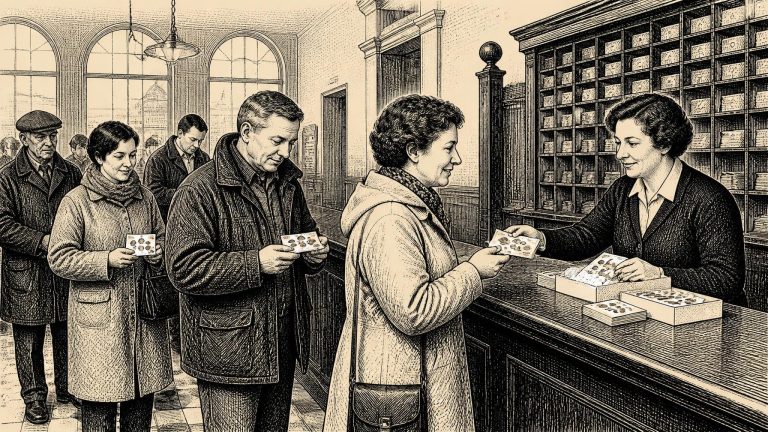
In 2001 Ireland appeared unusually confident. The Republic was still benefiting from the long economic expansion commonly called the Celtic Tiger: employment was high, immigration was changing workplaces and towns, and the State was preparing to exchange the Irish pound for the euro. Yet the year repeatedly showed how exposed an island economy and an unfinished peace settlement could be. A livestock disease crossing the Border closed roads and disrupted rural routines; a low-turnout referendum stopped an important European treaty; and Northern Ireland’s institutions again seemed close to failure. By December, however, the public had tangible euro coins in their hands, while a significant act of IRA decommissioning and the creation of the Police Service of Northern Ireland had altered the practical terms of the peace process.
