Archived: 26 September 2026
Abstract
In 2008 Ireland moved from Celtic Tiger confidence to recession and banking crisis. Bertie Ahern resigned, succeeded by Brian Cowen, while Brian Lenihan became Finance Minister. Voters rejected the Lisbon Treaty, delaying European ratification, yet Dublin successfully concluded the Convention on Cluster Munitions. Northern Ireland's devolved institutions endured Paisley’s replacement by Peter Robinson, though policing and justice remained unresolved. Construction collapse, unemployment and falling revenues exposed economic fragility, prompting an austerity-focused budget. On 29–30 September, government guaranteed liabilities of six Irish banks, tying public finances to their losses. New trafficking, welfare and transport laws nevertheless reflected institutional activity amid uncertainty.
Read Article

Archived: 26 September 2026
Abstract
In 2007, Northern Ireland’s devolved government returned, with DUP leader Ian Paisley and Sinn Féin’s Martin McGuinness jointly heading an Executive, turning power-sharing into practical administration. In the Republic, Bertie Ahern won a third election and formed a coalition with the Greens and Progressive Democrats amid Celtic Tiger prosperity. However, cooling house prices and reliance on construction exposed economic vulnerability. Census results highlighted immigration, changing households and religious diversity, while Irish gained EU official-language status. Corrib gas protests, scrutiny of Ahern’s finances and criminal-justice legislation raised questions of trust and authority. Cultural initiatives and smoke-free rules reflected wider social change.
Read Article

Archived: 26 September 2026
Abstract
In 2006, Ireland’s boom brought record housebuilding, low unemployment, migration and pressure on infrastructure and services. The census recorded 4,239,848 people, with non-Irish nationals comprising about one tenth, reflecting profound social and religious change. Government responded through employment-permit, strategic-planning and social-partnership measures, while the Dublin Port Tunnel opened to improve freight access. In Northern Ireland, the St Andrews Agreement created a route towards restoring devolved power-sharing, although Stormont remained suspended; a Transitional Assembly began preparatory work. The High Court rejected recognition of Katherine Zappone and Ann Louise Gilligan’s Canadian marriage. Europe’s Ryder Cup victory at the K Club projected confidence.
Read Article
Archived: 26 September 2026
Abstract
In 2005, Ireland’s transformation exposed tensions between peace, prosperity and accountability. The Provisional IRA ended its armed campaign and decommissioned its entire arsenal, although Northern Ireland’s devolved institutions remained suspended amid distrust following the Northern Bank robbery and Robert McCartney’s murder. In the Republic, the new Health Service Executive, citizenship rules and Disability Act reflected institutional and demographic change. Celtic Tiger growth, construction and immigration reshaped society, while the Irish Ferries dispute highlighted labour standards. Imprisonment of the Rossport Five crystallised opposition to the Corrib gas project. Cork’s cultural year and Irish’s EU recognition affirmed cultural confidence and European standing.
Read Article

Archived: 26 September 2026
Abstract
In 2004, Ireland’s EU Presidency culminated in Phoenix Park’s welcome for ten new member states and agreement on a proposed European constitution. At home, prosperity, migration and infrastructure expansion reshaped society: Dublin’s Luas lines opened, while a workplace smoking ban transformed pubs and other enclosed venues. Voters approved the Twenty-seventh Amendment, ending unconditional birthright citizenship and leading to new nationality legislation. Elections strengthened Fine Gael and gave Sinn Féin its first European seat. Diarmuid Martin became Archbishop of Dublin, and Scouting Ireland formed. Northern Ireland’s institutions remained suspended; failed talks, paramilitary concerns and the Northern Bank robbery further deepened mistrust.
Read Article

Archived: 26 September 2026
Abstract
In 2003, Ireland debated neutrality as United States forces continued using Shannon Airport during the Iraq invasion, prompting protests, parliamentary conflict and an unsuccessful legal challenge. Northern Ireland’s devolved institutions remained suspended despite British-Irish initiatives and IRA decommissioning; November’s election advanced the DUP and Sinn Féin. The Special Olympics World Summer Games, hosted across Ireland, celebrated athletes with intellectual disabilities and volunteering, while Tyrone won an Ulster all-Ireland final. Slowing Celtic Tiger growth nevertheless brought housing construction, immigration and pressure on services. Government plans for smoking restrictions provoked debate, and the Derrybrien peat slide exposed risks associated with wind-energy development.
Read Article
Archived: 26 September 2026
Abstract
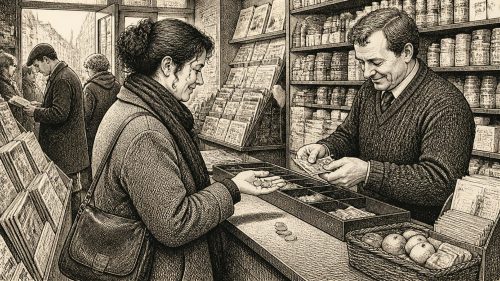
In 2002, euro notes and coins replaced the Irish pound, symbolising deeper European integration. Ireland’s Celtic Tiger economy remained strong in GDP terms, but weak GNP growth exposed dependence on foreign-owned firms. Census results recorded rapid population growth, immigration and Dublin-centred expansion, straining housing and services. Voters rejected tighter abortion provisions but approved the Nice Treaty, enabling EU enlargement. Bertie Ahern’s coalition won re-election. Clerical abuse controversies intensified scrutiny of Church authority. Northern Ireland’s institutions faltered despite IRA decommissioning, leading to suspension of devolved government. Ireland’s World Cup run provided national unity amid profound wider social, economic and constitutional change.
Read Article

Archived: 26 September 2026
Abstract
In 2001, Celtic Tiger prosperity exposed Ireland’s vulnerabilities and transformations. Foot-and-mouth disease at Proleek, County Louth, prompted cross-border controls, slaughter and trade restrictions. Voters rejected the Treaty of Nice in a low-turnout referendum. Northern Ireland’s devolved institutions repeatedly neared collapse over policing and IRA arms, requiring temporary suspensions, before verified IRA decommissioning in October. The RUC became the PSNI in November, while Holy Cross schoolchildren faced loyalist protest and the GAA abolished Rule 21. Census and employment figures recorded social change, euro starter packs anticipated currency conversion, and cultural commemoration and mourning marked national life across the island and abroad.
Read Article

Archived: 26 September 2026
Abstract
In 2000, Northern Ireland’s new power-sharing Executive was suspended over IRA decommissioning, then restored after commitments and arms inspections, though no weapons were destroyed. Saville’s Bloody Sunday hearings began, while policing reform advanced through the Police (Northern Ireland) Act. In the Republic, Celtic Tiger growth brought low unemployment, inflation and infrastructure pressures, prompting the National Development Plan and Science Foundation Ireland. A national minimum wage, equal-status protections, human-rights legislation and child-abuse inquiry strengthened social accountability. Clinton visited Dundalk supporting peace. Sporting finals sustained shared rituals, but fragile devolution and unresolved arms left the peace process dependent on continuing international reassurance.
Read Article

Archived: 26 September 2026
Abstract
In 1999, Northern Ireland’s devolved Executive began work at Stormont, led by David Trimble and Seamus Mallon, while new North/South and British-Irish bodies implemented the Good Friday Agreement. The Republic amended its Constitution, replacing territorial claims with consent-based unity, though decommissioning and policing reform remained disputed. Ireland joined the euro’s non-cash phase amid rapid economic growth, but nurses’ industrial action revealed pressure on public services. Kosovar refugees arrived and immigration law changed. States of Fear prompted official acknowledgement of institutional abuse. Gay Byrne left The Late Late Show, Heaney published Beowulf, and Cork won the All-Ireland hurling final in September.
Read Article

Archived: 26 September 2026
Abstract
In 1998, the Good Friday Agreement created a consent-based framework for Northern Ireland, recognising British and Irish identities, establishing proposed devolved and cross-border institutions, and requiring constitutional change. Referendums on 22 May endorsed it strongly in Northern Ireland and overwhelmingly in the Republic, where the Nineteenth Amendment enabled revised Articles 2 and 3. Assembly elections followed, but disputes over decommissioning delayed an Executive. The Real IRA's Omagh bombing killed twenty-nine people, exposing continuing violence and prompting security measures. John Hume and David Trimble received the Nobel Peace Prize, while economic growth and equality, enterprise and food-safety reforms reflected wider change.
Read Article




