
Archived: 26 September 2026
Abstract
In 2001, Celtic Tiger prosperity exposed Ireland’s vulnerabilities and transformations. Foot-and-mouth disease at Proleek, County Louth, prompted cross-border controls, slaughter and trade restrictions. Voters rejected the Treaty of Nice in a low-turnout referendum. Northern Ireland’s devolved institutions repeatedly neared collapse over policing and IRA arms, requiring temporary suspensions, before verified IRA decommissioning in October. The RUC became the PSNI in November, while Holy Cross schoolchildren faced loyalist protest and the GAA abolished Rule 21. Census and employment figures recorded social change, euro starter packs anticipated currency conversion, and cultural commemoration and mourning marked national life across the island and abroad.
Read Article
Archived: 11 October 2026
Abstract
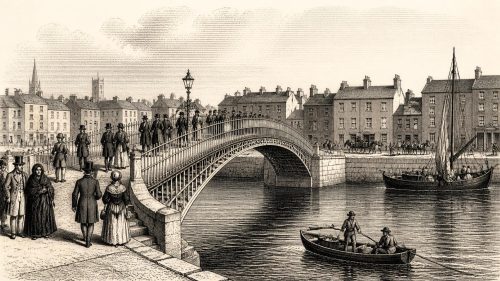
In 1816, postwar recession and exceptionally cold, wet weather brought Ireland a serious subsistence crisis, with deficient potatoes and grain, costly food, wet fuel and conditions favouring fever. Westminster acknowledged distress and disorder but rejected major inquiry or reform. Maritime wrecks killed hundreds near Waterford and Kinsale. Dublin opened Richmond and Wellington, later Ha'penny, bridges, began Dunleary harbour, and founded an institution for deaf children. Belfast gained Ireland's first successful savings bank and St George's Church. Yet progress coexisted with exclusion, poverty and violence: Catholic disabilities persisted, while the burning of Wildgoose Lodge killed eight, exposing agrarian conflict and insecurity.
Read Article

Archived: 15 October 2026
Abstract
In October 1641, Catholic grievances over plantation, exclusion and religious constraints combined with Stuart political instability to trigger rebellion in Ireland. A planned seizure of Dublin Castle failed, but Sir Phelim O’Neill’s Ulster rising captured Dungannon and Charlemont. His proclamation professed loyalty to Charles I and protection for Protestants, while a later forged royal commission fuelled confusion. The conflict brought flight, plunder, killings, dispossession and winter hardship, alongside retaliatory violence. Testimony in the 1641 Depositions records crisis but requires critical reading. Fighting spread towards Dublin, Leinster and Munster, intensified English and Scottish political conflict, and left Ireland fractured without settlement.
Read Article




