Parliamentary Unity

Dillon Concedes

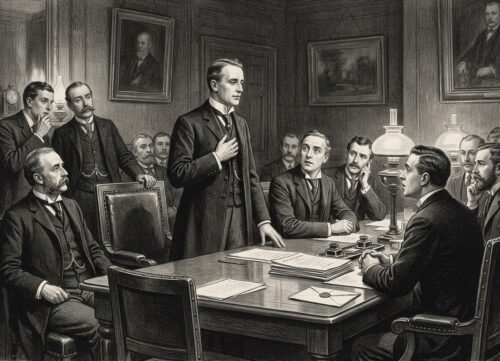
John Dillon confirmed during the closing days of January that he was prepared to relinquish any personal claim to the leadership of a reunited nationalist parliamentary movement. As chairman of the Irish National Federation and the most influential figure among the majority anti-Parnellites, Dillon might reasonably have expected to compete for control of the restored party. His decision indicated that the negotiations had moved beyond symbolic reconciliation towards a practical settlement. After nearly a decade of factional conflict, unity required senior politicians to sacrifice position, prestige and the expectations of supporters who regarded leadership as confirmation that their side had prevailed.
Reunion Advances

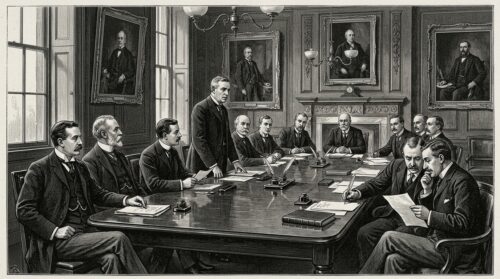
Negotiations to reunite Ireland’s divided nationalist parliamentarians advanced formally during the Mansion House conference held on 17 January. Representatives associated with the rival factions created by the fall of Charles Stewart Parnell met in Dublin to consider practical terms for restoring a single parliamentary organisation. Nearly a decade of internal conflict had weakened nationalist influence at Westminster and exhausted many supporters throughout Ireland. The conference did not instantly remove the personal distrust, political grievances and competing ambitions that had accumulated since 1890, but it transformed informal appeals for reconciliation into a structured negotiation between recognised representatives of the opposing groups.