Archived: 14 October 2026
Abstract
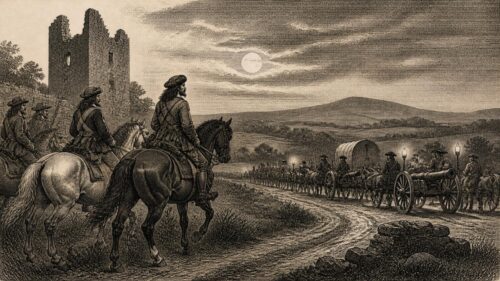
In 1690 Ireland became central to the war between James II and William III, linked to the wider European struggle against France. William’s multinational army defeated the Jacobites at the Boyne, prompting James’s flight to France and William’s occupation of Dublin. Administrative measures followed, affecting coinage, property and allegiance. However, Jacobite forces withdrew towards the Shannon, where Limerick resisted William’s siege. Patrick Sarsfield’s Ballyneety raid disrupted the Williamite artillery train, while a later assault failed amid worsening conditions. William lifted the siege. Williamite victories at Cork and Kinsale secured southern ports, but Limerick’s survival ensured the conflict continued into 1691.
Read Article
Archived: 14 October 2026
Abstract
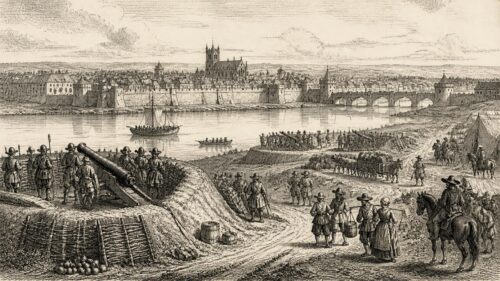
In 1651 Commonwealth forces tightened control of Ireland through campaigns in Munster and Connacht. Henry Ireton besieged Limerick, while Lord Broghill defeated Muskerry’s attempted relief army at Knocknaclashy, ending prospects of substantial support. Blockade, artillery, hunger and disease devastated Limerick’s inhabitants, provoking divisions between defenders, clergy and civilians seeking terms. The city surrendered on 27 October after internal betrayal opened key positions. Although many received quarter, leading military, civic and Catholic figures were excluded, imprisoned or executed. Ireton envisaged a more English, Protestant city. Meanwhile Galway came under blockade, becoming the remaining major centre of organised Catholic and royalist resistance.
Read Article


