Archived: 19 October 2026
Abstract
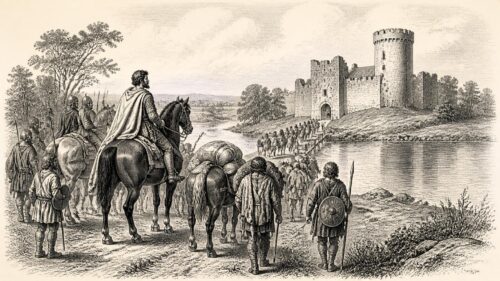
In 1499, Gerald FitzGerald, earl of Kildare and royal deputy, campaigned in Connacht, seizing Athleague, Tulsk, Roscommon and Castlerea, redistributing lordship and hostages among allied factions. Mac William Burke and displaced O’Kelly forces soon recovered Athleague and Tulsk, demonstrating the fragility of imposed authority. Succession and conflict reshaped Moylurg, Tír Chonaill, Fermanagh and Thomond, where O’Donnell raided, negotiated with Kildare and suppressed internal rebellion, while an O’Brien force defeated Butler followers. Annals also record religious and aristocratic hospitality, and Pale parliamentary regulation. Warfare, castles, cattle, hostages, tribute and negotiation repeatedly remade Ireland’s overlapping political order across Ireland’s contested regional frontiers.
Read Article
Archived: 21 October 2026
Abstract
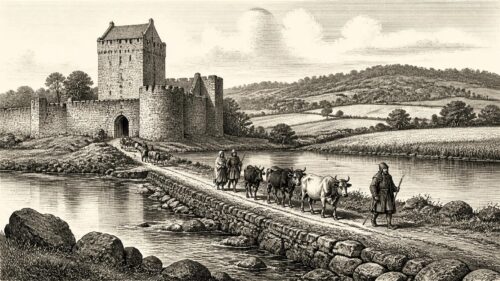
In 1400, Irish annals recorded the capture of Dunamon Castle in Connacht by Mac an Abaidh Ó Conchobair, the death of a Burke, and the release of an Ó Cellaigh captive. Nearby, Grigoir Ó Maelchonaire, a learned heir, was accidentally killed; 126 cows were paid in compensation. Warfare devastated grain and seized horses in Tír Chonaill, while feuds, expulsions and deaths unsettled Ulaid and Breifne. Annals also note uncertain English intervention. Around Longford, the Ó Fearghail foundation of a Dominican priory reflected regional patronage. Collectively, these records reveal competing lordships, cattle-based restitution, agricultural warfare, learned status and uneven English authority.
Read Article

Archived: 26 September 2026
Abstract
In 1186, Ireland remained politically fragmented despite expanding Anglo-Norman settlement. Hugh de Lacy, lord of Meath, was killed while inspecting castle works at Durrow, an act Irish annals portrayed as vengeance for violation of Columcille’s sanctuary. His death weakened colonial authority while Crown withheld Meath from heir. In Connacht, Conchobar Máenmaige displaced his father, Ruaidrí Ua Conchobair, amid dynastic warfare. Northern factions deposed Domnall Mac Lochlainn, causing violence. Churches, pilgrimage, hagiography, trade and castle-building shaped life. Gaelic and settler economies interacted, but warfare disrupted communities. The year demonstrated that competing Gaelic, royal, ecclesiastical and Anglo-Norman lordships prevented any unified conquest.
Read Article

