
Legacy Law
At a Glance
Statute Scope
The 2023 Act defines the Troubles as events and conduct related to Northern Ireland affairs occurring between 1 January 1966 and 10 April 1998. It also includes conduct connected with preventing, investigating, or dealing with the consequences of other Northern Ireland-related events during that span. The same section defines Troubles-related offences and distinguishes serious offences by reference to murder, manslaughter, culpable homicide, death-causing conduct, and other bodily harm categories. [1]
The statutory preamble states that the Act is meant to address the legacy of the Troubles and promote reconciliation through a new commission, limits on criminal investigations, legal proceedings, inquests, and police complaints, and provision for experiences to be recorded and preserved. The same introductory material also mentions the validity of interim custody orders. These are the principal functions expressly named in the enactment’s opening language. [1]
Commission Design
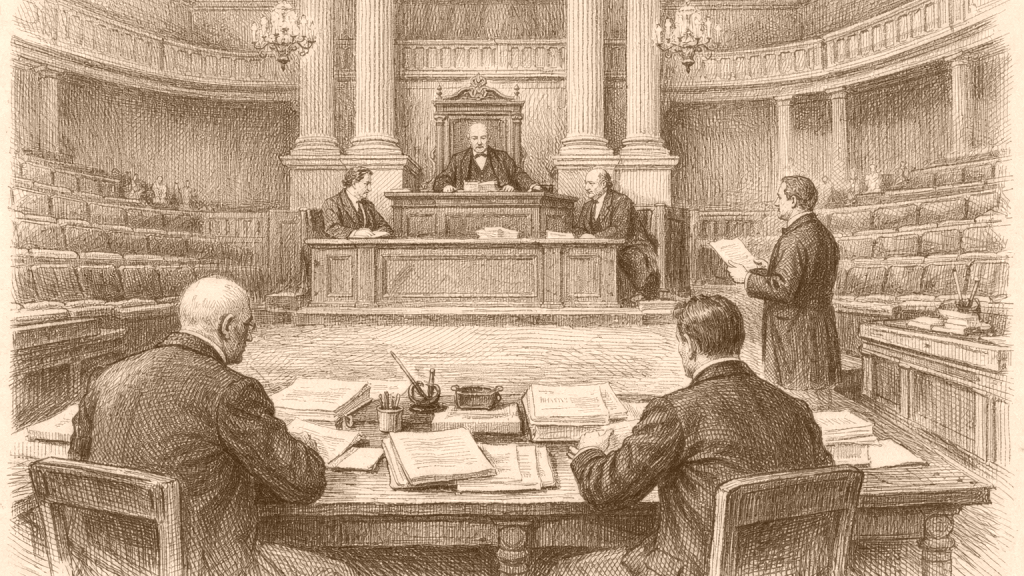
Government guidance issued in 2022 describes the proposed Independent Commission for Reconciliation and Information Recovery as an arm’s length body led by up to five commissioners, including a chief commissioner and a commissioner for investigations. That guidance says the commissioner for investigations would carry out investigations into Troubles-related deaths and serious injury, while the chief commissioner would chair the panel deciding immunity requests. The guidance also says annual reporting and a scheduled review would support accountability. [2]
A later government statement says the High Court found the Independent Commission for Reconciliation and Information Recovery to be independent and capable of conducting human-rights-compliant investigations. It also states that the commission’s success would depend on its ability to deliver justice, accountability, and information to victims and survivors, and that the Government would consult on measures to strengthen the commission’s independence and powers. The statement ties those aims to continuing reform work. [4]
Criminal Limits
The 2022 guidance says criminal investigations by any organisation other than the commission would be barred once the legislation came into force, with ongoing investigations stopping except where they supported an ongoing prosecution. It also says prosecutions for Troubles-related offences not involving death or serious injury, or not connected to such offences, would be barred. Existing cases already at the prosecution stage would be allowed to continue to conclusion. [2]
The same guidance adds that some convicted persons could apply for immediate release on licence. In 2024 the Government said it had abandoned its appeal against declarations of incompatibility connected with the conditional immunity provisions, and that those provisions could have allowed immunity from prosecution for providing information about Troubles-related deaths and serious injuries. The statement also says the Government would begin preparations for a remedial order to remove offending provisions from the statute book. [2] [4]
Civil Paths
The 2024 written statement says the Government would reverse the prohibition on bringing new civil proceedings and would propose measures to allow inquests previously halted to proceed. It also says live inquests had caused distress when they ceased, and that some inquests involving sensitive information had been unable to conclude within the coronial system. These are the only civil and inquest consequences expressly described in the statement. [4]
By October 2025, the Government had introduced a new Troubles Bill promising a fair and transparent system, a reformed Legacy Commission, and new information-sharing arrangements with the Irish authorities. The press release says the Bill would allow a small number of already-started inquests to continue, permit part-heard inquests to resume, and refer some halted inquests for case-by-case consideration. It also says fresh inquests beyond those already in the system would not be started. [5]
Remedial Adjustment
The 2025 remedial order materials say the Government laid a draft order in response to court judgments in Dillon and related proceedings, and that the order would amend the 2023 Act and make consequential amendments to two other enactments. The document states that the order addresses incompatibilities found by the courts. It also records representations from parliamentarians and stakeholders about truth recovery, veterans, and the repeal of immunity provisions. [3]
The same 2025 material also states that concerns were raised about whether removing immunity would make recovery of truthful accounts more difficult, and notes the Government’s position that the immunity provisions could not remain because they lacked support from victims and survivors and were incompatible with the European Convention on Human Rights. The document does not, in these excerpts, describe a final replacement system in detail; it records ongoing adjustment after the court findings. [3]
Continuing Change
The legislative record shown here ends with ongoing amendment rather than a settled model. A 2025 statutory instrument extends the period in which an investigating body may prepare or complete an investigation report, moving the deadline from 31 October 2025 to 30 April 2026. That instrument says it amends earlier commencement and transitional regulations made under the 2023 Act, showing that implementation continued after the original commencement scheme. [6]
Across these materials, the clearest observable pattern is repeated alteration of the legal framework: the 2023 Act’s broad restrictions, the 2024 statement’s proposed reversal of some restrictions, the 2025 remedial order’s response to court findings, and the 2025 regulations’ extension of transitional time limits. The excerpts do not provide a completed final settlement, but they do show successive stages of revision focused on investigations, immunity, civil claims, and inquests. [1] [3] [4] [5] [6]
Source References
Hover over a number to see the source. Select it to open the source.

- [1] Northern Ireland Troubles (Legacy and Reconciliation) Act 2023
- [2] Explainers relating to the Northern Ireland Troubles (Legacy and Reconciliation) Bill - GOV.UK
- [3] The Northern Ireland Troubles (Legacy and Reconciliation) Act 2023 (Remedial) Order 2025 - GOV.UK
- [4] Northern Ireland Troubles (Legacy & Reconciliation) Act 2023 - GOV.UK
- [5] Northern Ireland Troubles Bill to repeal and replace Legacy Act - GOV.UK
- [6] The Northern Ireland Troubles (Legacy and Reconciliation) Act 2023 (Commencement No. 2 and Transitional Provisions) (Amendment No. 2) Regulations 2025





How did the Northern Ireland Troubles legacy legislation alter investigations, prosecutions, inquests, and related recovery mechanisms between 2021 and 2025?