
Year by Year
Explore Year by Year articles from the most modern historical year back to the oldest.
3,307 Articles Archived
Speleothem Interlude
Archived: 20 September 2026
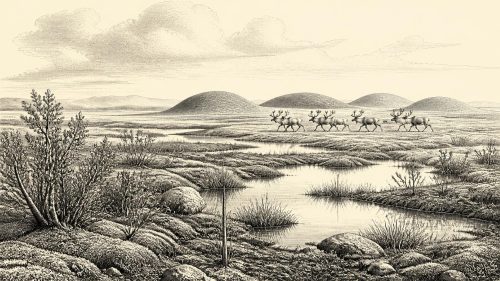
Around 31,042 BCE, Ireland lay within a fluctuating late Ice Age environment rather than a fixed ice sheet. Derryvree sediments in Fermanagh record treeless, waterlogged tundra wetlands between glacial advances, while Crag Cave stalagmites in Kerry indicate episodically milder conditions allowing calcite growth. Castlepook Cave, Cork, preserves diverse cold-stage fauna, including reindeer, mammoth, hyaena and lemmings, though cave deposits mix material from different times. A marked reindeer femur may indicate human butchery about 33,000 years ago, but cannot prove settlement. Later ice, sea-level change and early excavations obscured much evidence, leaving environmental possibility rather than documented society. Certainty remains limited.

Tundra Watercourses
Archived: 20 September 2026
31,043 BCE is a modern label within Marine Isotope Stage 3, not a date tied to an Irish event. Derryvree, County Fermanagh, preserves freshwater sediments between glacial tills, indicating a cold, treeless tundra wetland with grasses, sedges, juniper, aquatic plants and insects during an ice-free interval. Castlepook Cave, County Cork, contains Pleistocene fauna including mammoth, reindeer, giant deer, hyena, Arctic fox and lemmings, accumulated over extended periods. A marked reindeer femur, dated about 33,000 years ago, may indicate human butchery, but cannot prove settlement. Evidence instead depicts environmentally unstable Ireland, intermittently accessible to cold-adapted animals and possibly mobile people alike.

Mammoth Grasslands
Archived: 20 September 2026
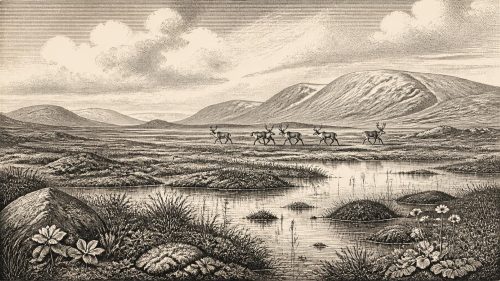
Around 33,000 years ago, Ireland experienced severe, changing Late Pleistocene conditions as ice expanded towards the last glacial maximum. Castlepook Cave, County Cork, preserves Ireland’s richest pre-glacial-maximum vertebrate archive, although disturbed, mixed deposits prevent precise reconstruction. Its fauna includes mammoth, giant deer, reindeer, brown bear and spotted hyaena, indicating open, cold grassland or tundra-like environments supporting grazers, predators and scavengers. Reassessed radiocarbon dates place important remains in Marine Isotope Stage 3. A possibly cut-marked reindeer bone may suggest human activity, but remains unconfirmed. No secure evidence demonstrates resident humans, settlement, farming, trade or organised society in Ireland at this time.
Mammoth Corridors
Archived: 20 September 2026
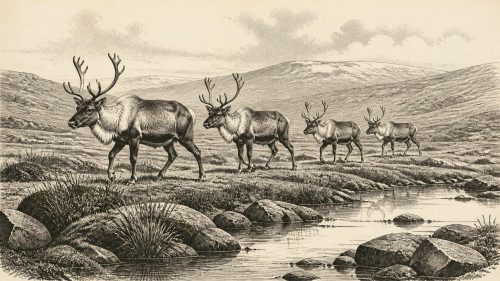
31,045 BCE is a modern label within unstable MIS 3, not a precisely documented Irish year. Derryvree, County Fermanagh, preserves freshwater sediments between glacial tills, demonstrating a temporary, cold, treeless wetland during an ice-free local interval. Castlepook Cave, County Cork, contains mixed pre-Last Glacial Maximum remains of reindeer, mammoth, giant deer, bears, wolves, lemmings and hyaenas, evidencing intermittently habitable cold-country environments. A marked reindeer bone may indicate human carcass processing, but remains inconclusive and proves neither settlement nor community. Later ice transformed these landscapes. The evidence supports an environmental and zoological history, demanding caution over dates, deposits and human presence.
Complex Context
Archived: 20 September 2026
Around 31,046 BCE, Ireland was a changing late-Pleistocene landscape rather than a place with recorded history. Radiocarbon dates provide broad calibrated ranges, not precise years. Derryvree, County Fermanagh, preserves sediments between glacial tills showing a cold, tundra-like freshwater environment during an ice-free interval. Castlepook Cave near Doneraile, County Cork, contains reindeer, giant deer and hyaena remains, demonstrating intermittent ecological links with north-west Europe. A marked reindeer femur may indicate human butchery, but its complex context prevents certainty. No secure evidence confirms settlement, tools, dwellings or social organisation. Later ice and coastal change destroyed or buried much of Ireland’s archaeological record.

Possible Visit
Archived: 20 September 2026
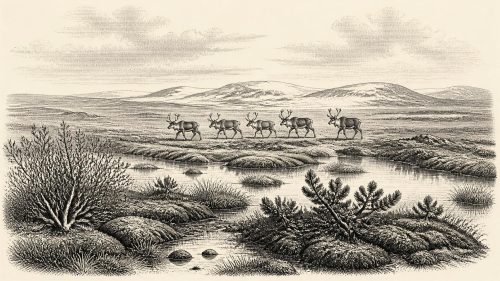
Around 31,047 BCE, Ireland experienced unstable Late Pleistocene conditions before maximum glaciation. Derryvree, County Fermanagh, preserves freshwater sediments between glacial tills, indicating cold, open wetlands with sedges, mosses, dwarf shrubs and Arctic-alpine plants during an ice-free interval. Castlepook Cave, County Cork, yielded reindeer, mammoth, giant deer, hyaena and other fauna, reflecting intermittent connections with continental populations. A possibly cut-marked reindeer femur may indicate brief human carcass processing around 33,000 years ago, but remains unconfirmed. No settlement, tools, hearths, burials or evidence for society, trade, religion or language survives. The evidence describes environmental change, animal presence and possible fleeting human activity.
Climatic Variability
Archived: 20 September 2026
Although 31,048 BCE cannot be resolved as a specific Irish year, evidence places it within a fluctuating MIS 3 glacial environment. At Derryvree, County Fermanagh, organic deposits between tills indicate an ice-free interval with treeless freshwater wetland, mosses and cold-adapted plants. Crag Cave speleothems demonstrate climatic variability, while Castlepook Cave preserves MIS 3 remains of mammoth, reindeer, giant deer, predators and cold-country fauna. A possibly modified reindeer bone suggests early human activity, but does not prove settlement or continuous occupation. No political, cultural or economic history is recoverable. The period is understood through dates, sediments, fossils, deposits and ice margins.

Animal Crossings
Archived: 20 September 2026
31,049 BCE cannot be treated as a precisely dated Irish event, but falls within late Marine Isotope Stage 3, before maximum glaciation. At Derryvree, Fermanagh, freshwater deposits between tills reveal a cold, treeless wetland of sedges, mosses, dwarf willow, insects and shallow pools, demonstrating regional environmental variation. Castlepook Cave, Cork, preserves reindeer, mammoth, hyaena and other fauna, though disturbed deposits represent different periods rather than one community. Lower sea levels permitted intermittent animal crossings, while expanding ice increasingly restricted habitats and access. A possibly cut reindeer bone suggests early human visits, but no secure settlement, artefacts or social history exists.

Dwarf Shrubs
Archived: 20 September 2026
At roughly 31,050 BCE, Ireland lay within the unstable cold conditions of Marine Isotope Stage 3. Freshwater silts at Derryvree, County Fermanagh, preserved between glacial tills, record a temporary ice-free landscape of tundra wetlands, mosses, sedges, grasses and sparse dwarf shrubs. The deposits demonstrate habitable freshwater environments, not a mild interglacial climate. Cave faunas from southern Ireland show that reindeer, mammoths, giant deer and predators intermittently reached the island as sea levels changed. A marked reindeer bone may indicate human butchery, but remains unconfirmed. No settlements or sustained occupation are known. Advancing ice later reshaped and buried these landscapes again.

Freshwater Bogbean
Archived: 20 September 2026
31,051 BCE is a retrospective date, not an identifiable Irish event. Derryvree, County Fermanagh, preserves freshwater organic deposits between glacial tills, dated within Marine Isotope Stage 3. Its mosses, sedges, aquatic plants, bogbean and cold-adapted insects indicate an open, treeless tundra wetland shaped by frost, short growing seasons and ice margins. Castlepook Cave, County Cork, contains Pleistocene fauna including reindeer, mammoth, giant deer, predators and animals, though deposits span uncertain periods. A cut-marked reindeer bone may indicate human butchery about 33,000 years ago, but cannot prove settlement or continuity. Evidence reveals shifting ecological opportunities, not island-wide conditions, polities or trade.
Some records do not yet have a verified historical year and are awaiting chronological placement.