Conchobar mac Nessa
Conchobar mac Nessa belongs to the literary world of the Ulster Cycle, where he appears as the king whose court at Emain Macha gathers the chief warriors of Ulster. In the medieval tradition preserved in Irish manuscript culture, he stands at the centre of a group of stories concerned with heroic deeds, violent deaths, and the fortunes of the warriors attached to his household. The surviving material is not a single continuous life story written by a contemporary observer, but a body of saga literature in which his name recurs as part of the framework of the cycle.
Dateline
Conchobar mac Nessa belongs to the literary world of the Ulster Cycle, where he appears as the king whose court at Emain Macha gathers the chief warriors of Ulster. In the medieval tradition preserved in Irish manuscript culture, he stands at the centre of a group of stories concerned with heroic deeds, violent deaths, and the fortunes of the warriors attached to his household. The surviving material is not a single continuous life story written by a contemporary observer, but a body of saga literature in which his name recurs as part of the framework of the cycle.
Courtly Setting
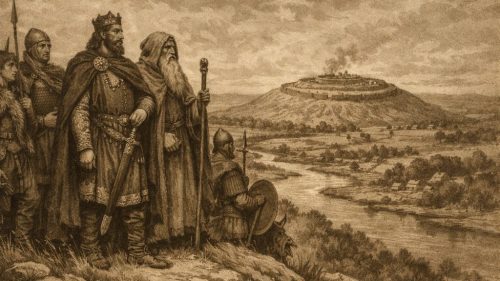
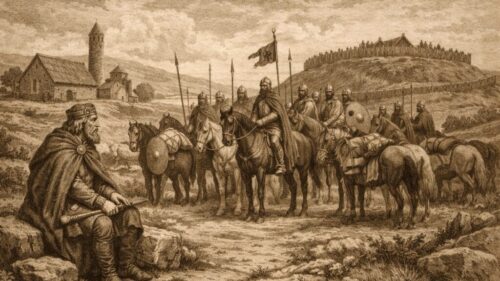
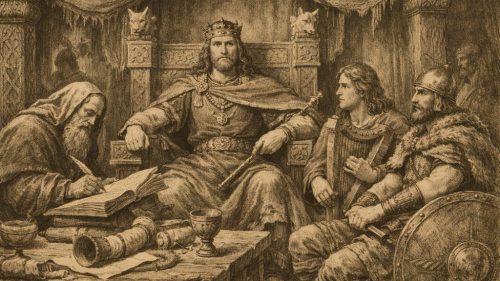
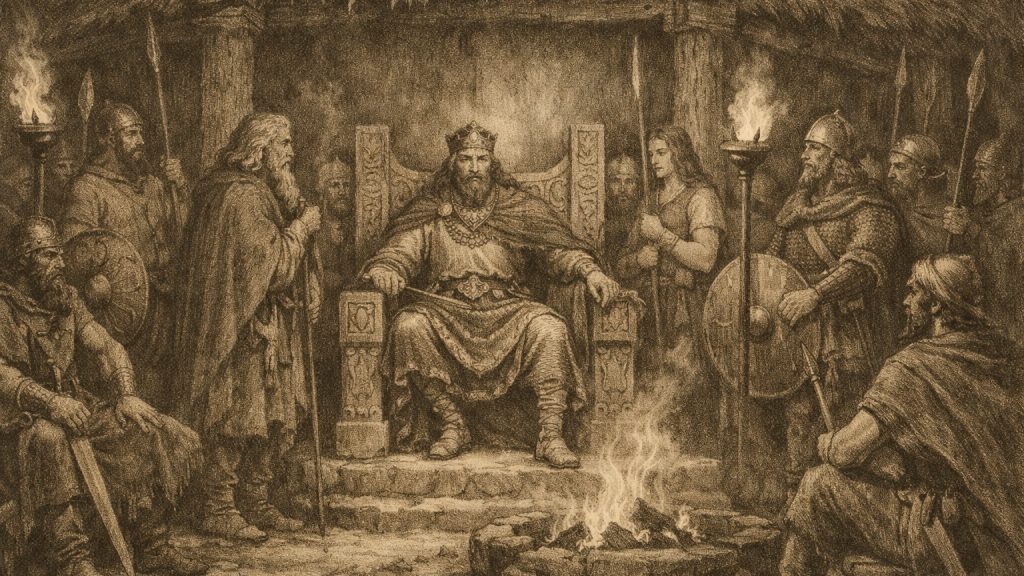
The text tradition connected with Conchobar is closely associated with Emain Macha, described in the sources as his court. The preface to The Death-Tales of the Ulster Heroes notes that these tales concern the chief warriors attached to King Conchobar’s court at Emain Macha. That setting is important because it places Conchobar not at the margins of the narrative world, but at its centre, as the ruler around whom the heroic company is organised. The same source lists one of the recognised death-stories as the death of King Conchobar himself, alongside the deaths of Cúchulinn, Conall Cernach, Celtchar, Blái the Hospitaller, Lóegaire, Fergus mac Róich, and Fiamain.
In this tradition, Conchobar is therefore not simply a name in passing. He is one of the kings whose household structures the heroic material, and the tales linked to his court are part of a wider cycle preserved in medieval Irish manuscripts. The surviving witnesses noted in the CELT material show that the stories were transmitted in manuscript copies and later edited for modern readers, which is the form in which they are generally available today.
Literary Tradition
The available sources identify Conchobar within saga literature rather than as a securely documented historical monarch. One CELT document is explicitly keyworded under “Conchobar mac Nessa” and classed as an Ulster Cycle saga in prose, showing that his name belongs to the narrative corpus of medieval Irish heroic literature. The prefatory material attached to the death-tales also shows that his story was among the recognised set of oitte, or tragical deaths, attached to Ulster heroes in the literary tradition.
This means that Conchobar’s biography, as it can be responsibly written, is inseparable from the saga environment in which he survives. He is presented through stories of court, war, and death, and the manuscripts preserve him in relation to other major figures of the cycle rather than as an isolated individual. The evidence supplied here supports his place as a king in the Ulster heroic tradition and as the subject of a death-tale, but it does not provide a contemporary political record or a full sequence of personal events.
Manuscript Witnesses
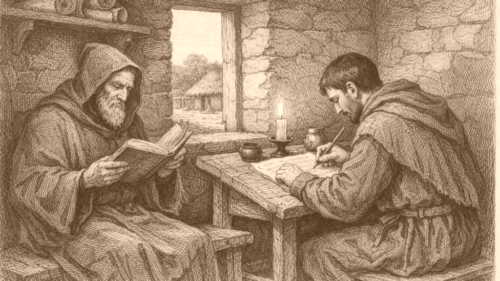
The manuscript evidence cited in the source extracts shows how the Conchobar tradition was carried forward. The edition of The Death-Tales of the Ulster Heroes identifies manuscript sources preserved in the National Library of Scotland and the Royal Irish Academy, and it explains that, apart from one comparatively late manuscript outside Ireland, knowledge of many of these tales would otherwise depend heavily on later historical writing. This is significant for Conchobar because his death-tale belongs to the same manuscript environment as those of the other Ulster heroes.
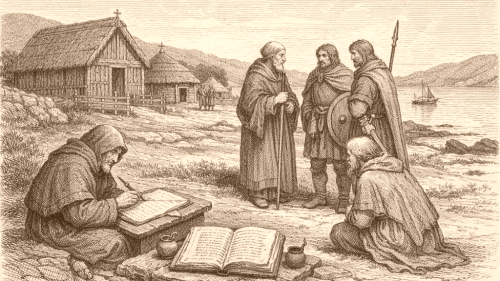
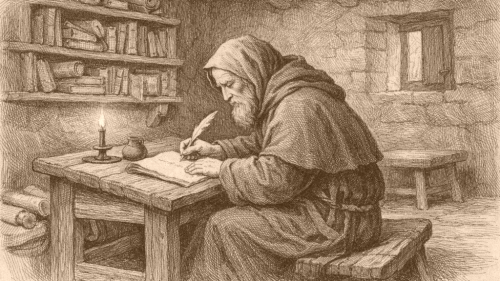
The source material also records that the text tradition belongs to medieval monastic scriptoria and that the language is Old and Middle Irish. That does not turn the saga into straightforward historical biography, but it does place Conchobar firmly within the medieval Irish literary record. His survival in that record is through saga and manuscript transmission, not through an independent contemporary chronicle.
Tradition Record
What can be said with confidence is therefore limited but clear. Conchobar mac Nessa is the king of the Ulster Cycle tradition whose court at Emain Macha forms the setting for a body of heroic narratives, including a death-tale explicitly named for him. He appears in the literary list of Ulster heroes preserved in medieval Irish manuscript culture, and later editors treated his story as part of a recognised corpus of tales about the warriors of his court. The sources provided here support his role as a central figure in that heroic world, while the surviving evidence remains literary rather than documentary in the modern sense.
Source References
Hover over a number to see the source. Select it to open the source.