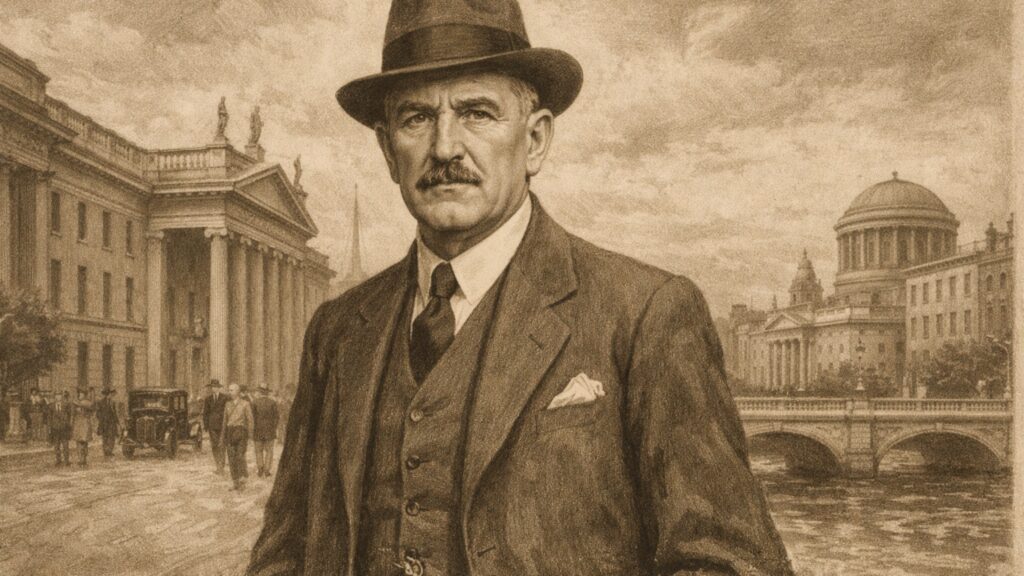
Domhnall Ua Buachalla
Domhnall Ua Buachalla, also recorded as Donal Buckley and born Daniel Richard Buckley, was born in Maynooth, County Kildare, on 2 February 1866 and died in Dublin on 30 October 1963. His life moved from the Irish language movement and republican activism to the constitutional office of Governor-General in the Irish Free State, a path that placed him at several turning points in modern Irish history. He was baptised on 6 February 1866 as Daniel Ricardus, and later began to use the Irish form of his name in 1901.
Dateline
Domhnall Ua Buachalla, also recorded as Donal Buckley and born Daniel Richard Buckley, was born in Maynooth, County Kildare, on 2 February 1866 and died in Dublin on 30 October 1963. His life moved from the Irish language movement and republican activism to the constitutional office of Governor-General in the Irish Free State, a path that placed him at several turning points in modern Irish history.
Early Life
He was baptised on 6 February 1866 as Daniel Ricardus, and later began to use the Irish form of his name in 1901. The record of his baptism places his origins in Maynooth, and later references identify him by the Irish surname Ua Buachalla as well as by Anglicised versions of his name. These name forms reflect the language and politics with which he was associated throughout his career.
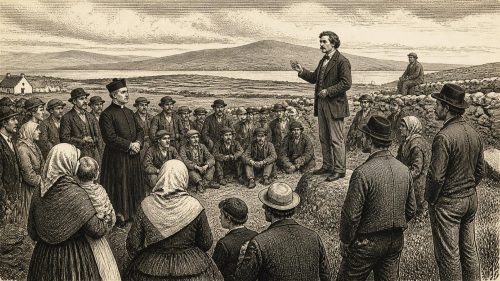
Archontological records state that he was active all his life in the Irish language movement. That detail places him within the wider cultural nationalism of the period, in which language, public identity, and politics were closely linked. He was also a member of the Irish Volunteers, joining the armed nationalist movement that came to the fore in the years before the Easter Rising.
Rising Role
During the Easter Rising of 1916, Ua Buachalla was imprisoned after the rebellion and released in 1917. An Irish Academic Press biography describes him as a cultural nationalist, Gaelic Leaguer, and friend of Pádraig Pearse, and says he became an Irish Volunteer leader in North Kildare. According to that account, he was involved in organising and arming the men of Maynooth and marched with them to the GPO on Easter Monday 1916. Those details place him among the local organisers and volunteers who helped support the Rising in the Dublin area.
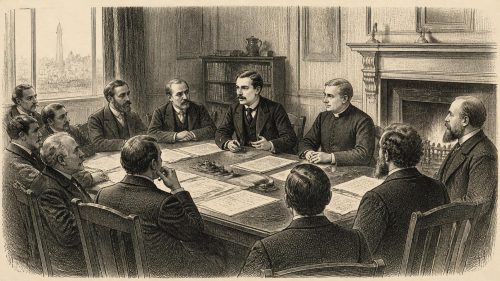
He was elected Member of Parliament for Kildare in 1918 and took part in the meetings of the first Dáil Éireann. The same sources record that he later served as a member of Dáil Éireann from the Kildare area and that he stood with the republican side in the political changes that followed the Rising. His participation in the first Dáil links him to the attempt to create an alternative Irish legislature before independence was secured.
Civil Strife
Ua Buachalla voted against the Anglo-Irish Treaty. He then fought in the Four Courts in the Civil War. He was captured and imprisoned in Dundalk Jail, and later released by Republican troops in August 1922. These episodes show his continued alignment with the anti-Treaty republican position after the settlement of 1921. The sources also say that he was later arrested near Kilcock for anti-Treaty activity during the Civil War.
After these conflicts, he returned to parliamentary politics. He was elected to Dáil Éireann as a Fianna Fáil member in 1927, but lost his seat in the general election of 1932. The political movement to which he attached himself had emerged from the republican tradition, and his later public appointment drew him into a constitutional role that sat uneasily beside his earlier political commitments.
Governor General
After the removal of James McNeill from the office of Governor-General, Ua Buachalla was appointed to the post on 24 November 1932. He took the oath of office on 26 November 1932 at 108 Rock Road, Booterstown, County Dublin, and served until the office was abolished on 11 December 1936. Archontological records title the post as Governor-General in and over the Irish Free State, while the later abolition of the office followed constitutional change after the abdication crisis of 1936.
His time in office was marked by unusual reserve. The source account states that he did not live in the Viceregal Lodge, but in a suburban house, did not appear in public, and took no part in social affairs. That description distinguishes his tenure from the public ceremonial style usually associated with viceregal office. His appointment itself, however, placed him at the centre of the last years of the Governor-Generalship in the Irish Free State.
Later Years
He remained politically connected after leaving office. The Irish Academic Press description says that he later accepted Éamon de Valera’s invitation to become a member of the Council of State. This detail shows that, despite the earlier tensions of revolutionary and constitutional politics, he continued to have a role in the civic institutions of the state.
Ua Buachalla died in Dublin on 30 October 1963. Archontological records state that he was the oldest surviving participant in the 1916 Rising when he died in a Dublin nursing home. His career linked the Irish language movement, the Volunteers, the Rising, the first Dáil, anti-Treaty resistance, Fianna Fáil politics, and the final years of the Irish Free State’s Governor-Generalship.
Source References
Hover over a number to see the source. Select it to open the source.