Patsy O’Hara
Hunger Strike Patsy O’Hara was identified in CAIN’s list of hunger strikers as a member of the Irish National Liberation Army and as someone who joined the hunger strike on 22 March 1981. The same list says he died on 21 May 1981 after 61 days without food. A CAIN memorial entry places his death in Long Kesh / Maze Prison, County Down. Prison Role In a CAIN account of the strike, Patsy O’Hara is described as the INLA prisoners’ commanding officer. The same passage says he had received orders from the INLA Army Council that nobody could negotiate on their behalf.
Dateline
Hunger Strike
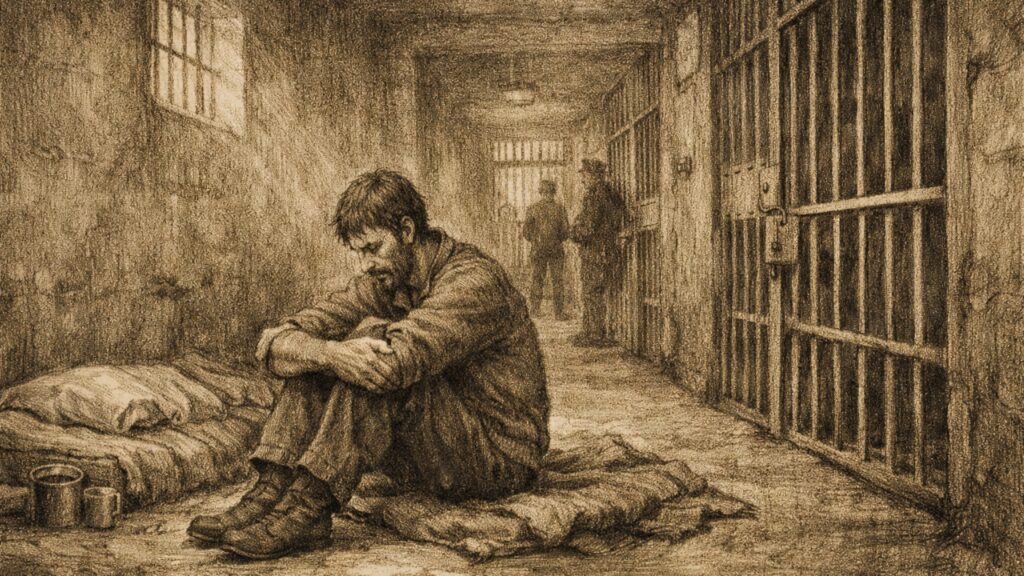
Patsy O’Hara was identified in CAIN’s list of hunger strikers as a member of the Irish National Liberation Army and as someone who joined the hunger strike on 22 March 1981. The same list says he died on 21 May 1981 after 61 days without food. A CAIN memorial entry places his death in Long Kesh / Maze Prison, County Down.
Prison Role
In a CAIN account of the strike, Patsy O’Hara is described as the INLA prisoners’ commanding officer. The same passage says he had received orders from the INLA Army Council that nobody could negotiate on their behalf. That source presents him within the prison dispute as a figure relaying the Army Council’s instruction to other prisoners.
Memorial Record
A memorial plaque photographed at Moyard House records: “PATSY O’HARA | DIED 21ST MAY 1981 | AGED 24 YEARS | AFTER 61 DAYS | ON HUNGER STRIKE”. The plaque also commemorates him in Irish with the line “ni deanfar dearmad air go deo”. The plaque’s age differs from CAIN’s hunger-strike list, which gives his age as 23.
Source References
Hover over a number to see the source. Select it to open the source.