
Central Byelections
At a Glance
Writs Moved
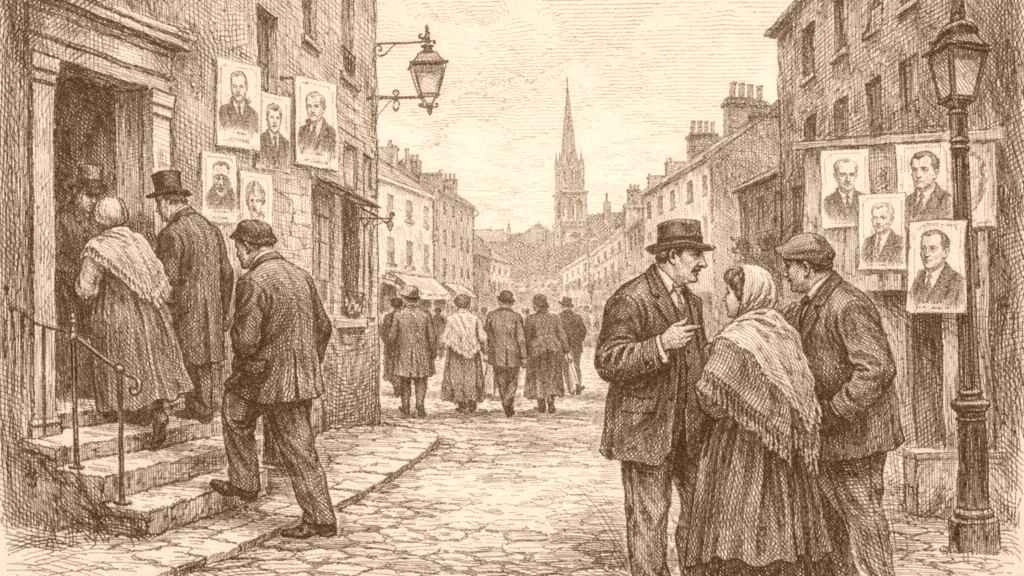
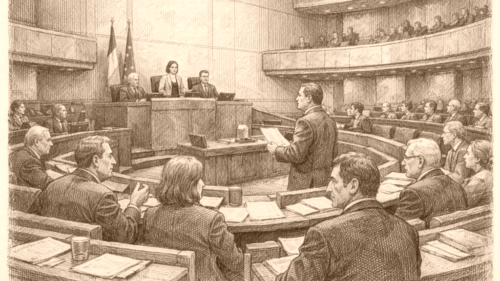
The byelections for Dublin Central and Galway West were set in motion when writs were moved in the Dáil for polling on Friday, May 22nd, with the campaign described as a four-week contest. The report says the move came earlier than expected because Dáil business finished ahead of schedule, and it identifies the movers of each writ: Emer Currie for Dublin Central and Richard Boyd Barrett for Galway West. The Minister for Local Government was expected to sign the order soon after. [1]
The same report places the vacancies in their immediate political context. Dublin Central was described as a seat left vacant by Paschal Donohoe, while Galway West was linked to Catherine Connolly’s election as President. It also records that the Department of Housing confirmed voting hours of 7am to 10pm on May 22nd and that the Electoral Commission was urging the public to register. The Dáil stage therefore appears both procedural and administrative in the coverage. [1]
Nomination Lines
By the time nominations closed at noon on Friday, the candidate lists had been finalised and published. The report gives totals of fourteen candidates in Dublin Central and seventeen in Galway West. It also states that the nomination window ended at noon and that returning officers in Dublin and Galway issued the full lists in advance of polling day. The counts of candidates are thus directly linked to the deadline, rather than to any later adjustment. [2]
The published lists show a broad field in both constituencies. Dublin Central included Janice Boylan, Ray McAdam, John Stephens, several independents, and Gerry Hutch. Galway West included Seán Kyne, Mark Lohan, Sheila Garrity, Cillian Keane, Helen Ogbu, and others. The reports present these as the confirmed line-ups rather than as predictions, and they also note that John O’Leary appeared as an Independent in both constituencies. No results are attached to this list stage. [2]
Campaign Tone
During the campaign, coverage repeatedly returned to local and national pressures on voters. One report says cost of living was set to dominate the contest, while another notes that the same issue had become a key concern on the doorsteps. The reporting also describes the contest as crowded and intense, with local issues layered over national ones and heavy media attention around both constituencies. This is presented as the campaign atmosphere, not as an explanation of the outcome. [5] [4]
Campaign reporting also captures specific on-the-ground moments. In Galway, canvassing took place near Quay Street and the Spanish Arch, and one live report notes that the Taoiseach was confronted by Burkes while canvassing there. The same coverage gives the Electoral Commission a visible role on the ground on the final day. These details show an active campaign, but they do not by themselves establish wider historical meaning beyond the reported scene. [4]
Polling Day
Polling was scheduled for Friday, May 22nd, from 7am to 10pm in both constituencies. On the eve of the vote, reporting said the contests were entering their final stretch and that turnout and margins could be very close. It also noted practical rules for the day, including that candidate posters or campaigning were not permitted within 50 metres of a polling station. The date and hours are consistent across the reports. [1] [4]
The reports also describe the practical register deadlines attached to the election. Candidates had until noon on Friday, May 1st, to submit nominations, and voters who still needed to register had until Tuesday, May 5th. The Electoral Commission urged people to use checktheregister.ie to update details or register. These administrative details sit beside the campaign coverage and show that the contests depended on a tightly managed timetable. [1]
Counting Results
After polling, the count data recorded electorate and turnout figures. The Electoral Commission stated that the approximate byelection-specific electorates were 57,932 in Dublin Central and 104,167 in Galway West, and it reported turnout of 43 per cent and 46 per cent respectively. It also explained that a larger local electorate figure had been published by returning officers and had been misread by some analysts. The report therefore distinguishes between the commission’s figures and the earlier local figures. [6]
The published result coverage then describes the outcome as the completion of counting in Dublin Central and notes that Fine Gael and the Social Democrats won the byelection contests. A related report also links the Dublin Central result to a “true-blue Daniel Ennis” and presents the outcome as a morale boost for the winning parties. Because the excerpted reports here are brief, they preserve the result and the post-count framing but not a fuller breakdown of each transfer or margin. [6]
Dail Conduct
The byelections also affected conduct inside the Dáil while the campaign was under way. The Ceann Comhairle warned TDs not to canvass in the chamber for their byelection candidates and said they should not name candidates or bring them into debate by praise or criticism. Contributions, she said, had to relate strictly to the business before the House. This makes the parliamentary record part of the election story, rather than a separate backdrop. [1]
The procedural setting was not unique to 2026. A 1961 Oireachtas report on electoral law listed special provisions for returning officers, the issue and return of writs, polling hours, and vacancies in the Dáil occasioned otherwise than by dissolution. Another 1961 report said the electoral laws were complex and should be updated and simplified. Read alongside the byelection coverage, these older reports show that the formal machinery behind vacancies and polling was a continuing concern. [3] [7]
Source References
Hover over a number to see the source. Select it to open the source.

- [1] ‘Get the posters up’: Dublin Central, Galway West byelections to be held on May 22nd – The Irish Times
- [2] From Gerry Hutch to Ray McAdam: Candidates lists finalised for Dublin Central and Galway West byelections – The Irish Times
- [3] Committee Reports::Joint Committee on Interim, 2nd Interim, 3rd Interim and Final Reports - Electoral Law ::12 July, 1961::Report
- [4] Dublin Central and Galway West byelections enter final stretch, with cost of living ‘key issue’ on doorsteps – The Irish Times
- [5] Byelection juices flowing in Galway West and Dublin Central – The Irish Times
- [6] Dublin Central count: Full byelection results data – The Irish Times
- [7] Committee Reports::Joint Committee on Interim, 2nd Interim, 3rd Interim and Final Reports - Electoral Law ::15 March, 1961::Report

How did the Dublin Central and Galway West byelections unfold from the moving of the writs to the declaration of the count, as described in contemporary reports?