John Redmond
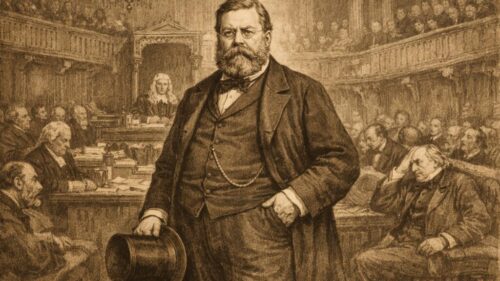
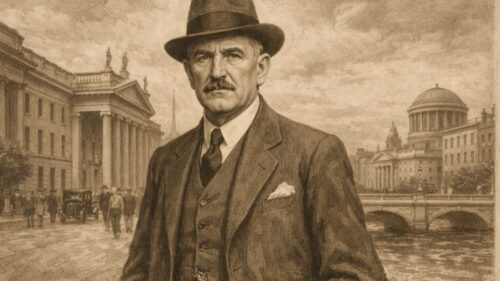
John E. Redmond was an Irish nationalist politician born in 1856 and dead by 1918. He was the son of William Redmond, a nationalist MP for County Wexford, and he was educated by the Jesuits at Clongowes Wood College, County Kildare, and at Trinity College, Dublin. He was first elected as a Member of Parliament in 1881. After the split in the Irish Parliamentary Party that followed Parnell’s divorce controversy, he led the Parnellite wing from 1891, and in 1900 he became leader of the reunited party. He represented Waterford from 1891 until his death.
Dateline
John E. Redmond was an Irish nationalist politician born in 1856 and dead by 1918. He was the son of William Redmond, a nationalist MP for County Wexford, and he was educated by the Jesuits at Clongowes Wood College, County Kildare, and at Trinity College, Dublin.
Parliamentary Career
He was first elected as a Member of Parliament in 1881. After the split in the Irish Parliamentary Party that followed Parnell’s divorce controversy, he led the Parnellite wing from 1891, and in 1900 he became leader of the reunited party. He represented Waterford from 1891 until his death.
Home Rule
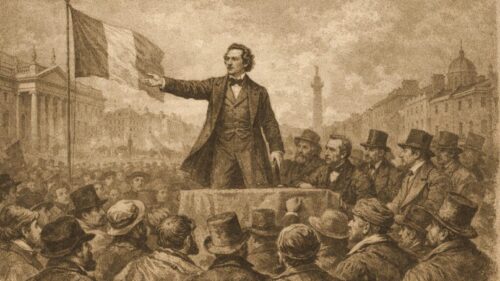
Redmond strongly supported Gladstone’s Home Rule bills of 1886 and 1893. When the Irish Parliamentary Party held the balance of power under Asquith from 1910 onwards, Home Rule became his central political aim. The Government of Ireland Act 1914 was, in this account, the only measure of Home Rule then possible, although its operation was suspended for the war.
War Policy
In June 1914, Redmond secured control of the Irish Volunteers. He offered the Volunteers for the defence of the country during the war, and then encouraged them to join the British army. That policy split the organisation, with the larger body following him and becoming known as the National Volunteers.
Rising Response
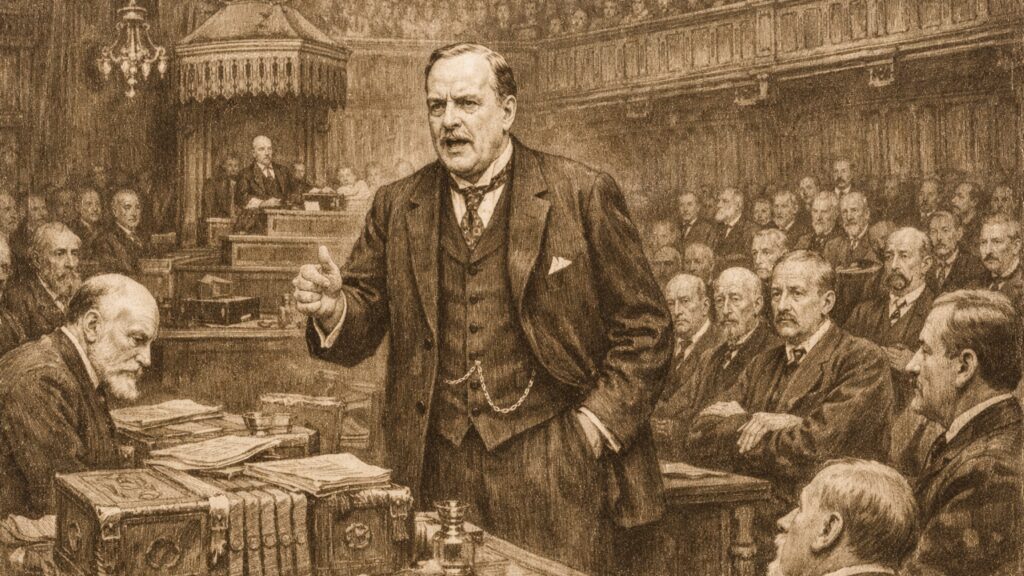
Redmond had lived in England for many years and was out of touch with developments at home. He is described as having regarded the 1916 Rising as treason and a “German intrigue”. Nevertheless, he pleaded for leniency in the House of Commons.
Final Years
He died within two years of the Rising, before the political course of Irish nationalism had fully changed beyond the Home Rule framework he had pursued for so long.
Source References
Hover over a number to see the source. Select it to open the source.