Editorial — Belfast Agreement
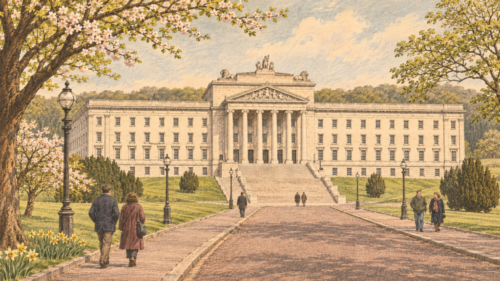
Welcome to the Emerald Archives Gazette. In today’s issue we look back at the latest additions to the archive. Belfast Agreement — Turning Point On 10 April 1998, the Belfast Agreement, widely known as the Good Friday Agreement, established a new framework for governing Northern Ireland and managing relationships across Ireland and Britain. It did not require unionists and nationalists to adopt the same national identity or abandon their constitutional aspirations. Instead, it offered democratic arrangements through which competing aspirations could coexist. Its importance lies in this combination of constitutional consent, shared government and recognition of different identities.

Dateline
The Day in Irish History
Welcome to the Emerald Archives Gazette. In today’s issue we look back at the latest additions to the archive.
Belfast Agreement — Turning Point On 10 April 1998, the Belfast Agreement, widely known as the Good Friday Agreement, established a new framework for governing Northern Ireland and managing relationships across Ireland and Britain. It did not require unionists and nationalists to adopt the same national identity or abandon their constitutional aspirations. Instead, it offered democratic arrangements through which competing aspirations could coexist. Its importance lies in this combination of constitutional consent, shared government and recognition of different identities. Understanding the settlement requires looking beyond a single announcement to the negotiations, public votes, institutions and difficult implementation that gave it practical meaning. The…
Thank you for reading today’s Gazette. Follow any of the links above to read the full article and explore its sources.