Jim Allister
He was born in 1953 into a farming family and was a native of Crossgar, County Down. He studied at Regent House, Newtownards, and at Queen’s University Belfast, where he first became involved in politics. He later studied law and was called to the Bar of Northern Ireland in 1976. Allister built a legal practice specialising in criminal law. In 2001 he was elevated to the Senior Bar. He joined the Democratic Unionist Party as a founder member in 1971. He was elected to the Northern Ireland Assembly in 1982 and served as the party’s chief whip.
Dateline
Early Life
He was born in 1953 into a farming family and was a native of Crossgar, County Down. He studied at Regent House, Newtownards, and at Queen’s University Belfast, where he first became involved in politics. He later studied law and was called to the Bar of Northern Ireland in 1976.
Legal Career
Allister built a legal practice specialising in criminal law. In 2001 he was elevated to the Senior Bar.
Political Career
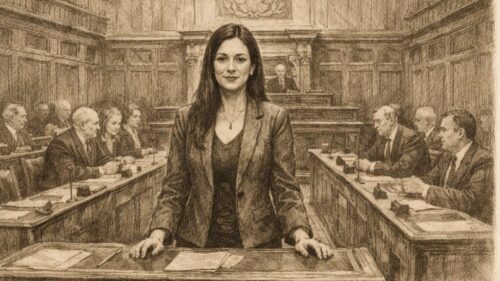
He joined the Democratic Unionist Party as a founder member in 1971. He was elected to the Northern Ireland Assembly in 1982 and served as the party’s chief whip. He was elected to the European Parliament in 2004 and represented Northern Ireland until 2009. The Taxpayers’ Alliance named him the UK’s best MEP. He resigned from the DUP over its decision to take Sinn Féin and IRA-linked ministers into government, and later led Traditional Unionist Voice. He is listed as MP for North Antrim from July 2024.
Personal Life
He is married to Ruth and has three grown-up children and two grandsons.
Source References
Hover over a number to see the source. Select it to open the source.