Creamery Contest
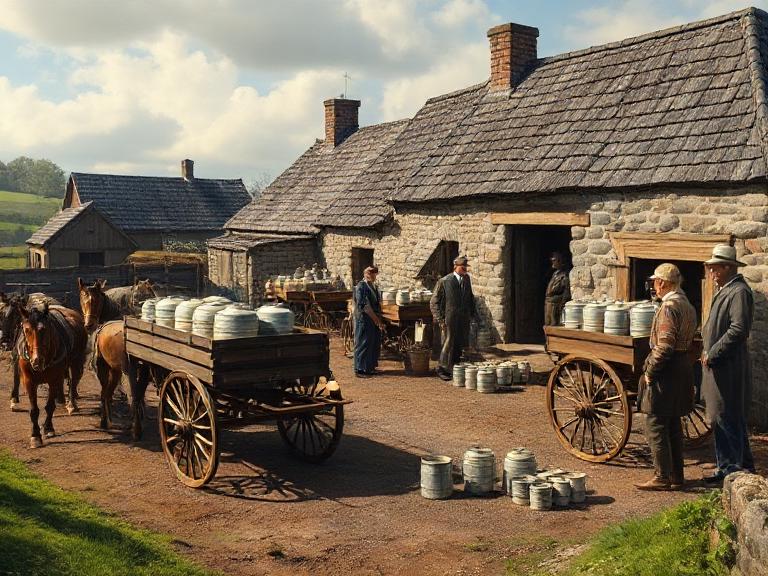
Agricultural co-operation is challenging the private commercial control long exercised over Irish butter production and marketing. Farmer-owned creameries allow milk suppliers to combine their resources, process milk by machinery and sell butter through organisations answerable to their members. The movement carries particular importance in County Limerick, where dairying supports farmers, labourers, carriers, merchants and rural households. Supporters argue that producers should receive a greater share of the value created from their milk instead of remaining dependent upon private creamery proprietors,…
Read Article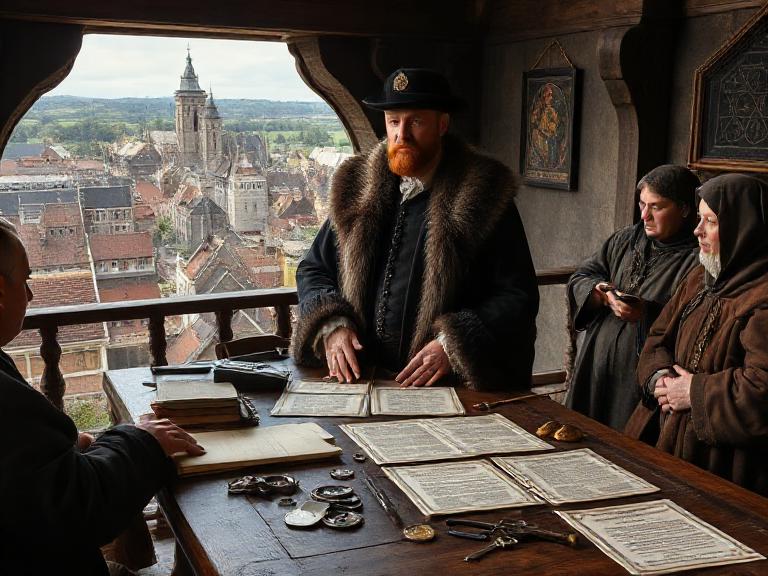
Pery Foundations
The Pery family’s rise in Limerick began not with the Georgian streets that later carried its name, but with land accumulated during the Tudor dissolution of Ireland’s religious houses. William Pery, who died in Limerick around 1635, appears to have been the first member of the family to settle permanently in Ireland. The more consequential ancestor, however, was Edmond Sexten, mayor of Limerick in 1535. Through political skill, royal service and his relationship with the English court, Sexten obtained property that would remain within his descendants’ inheritance and eventually shape the physical expansion of Limerick city.
Read Article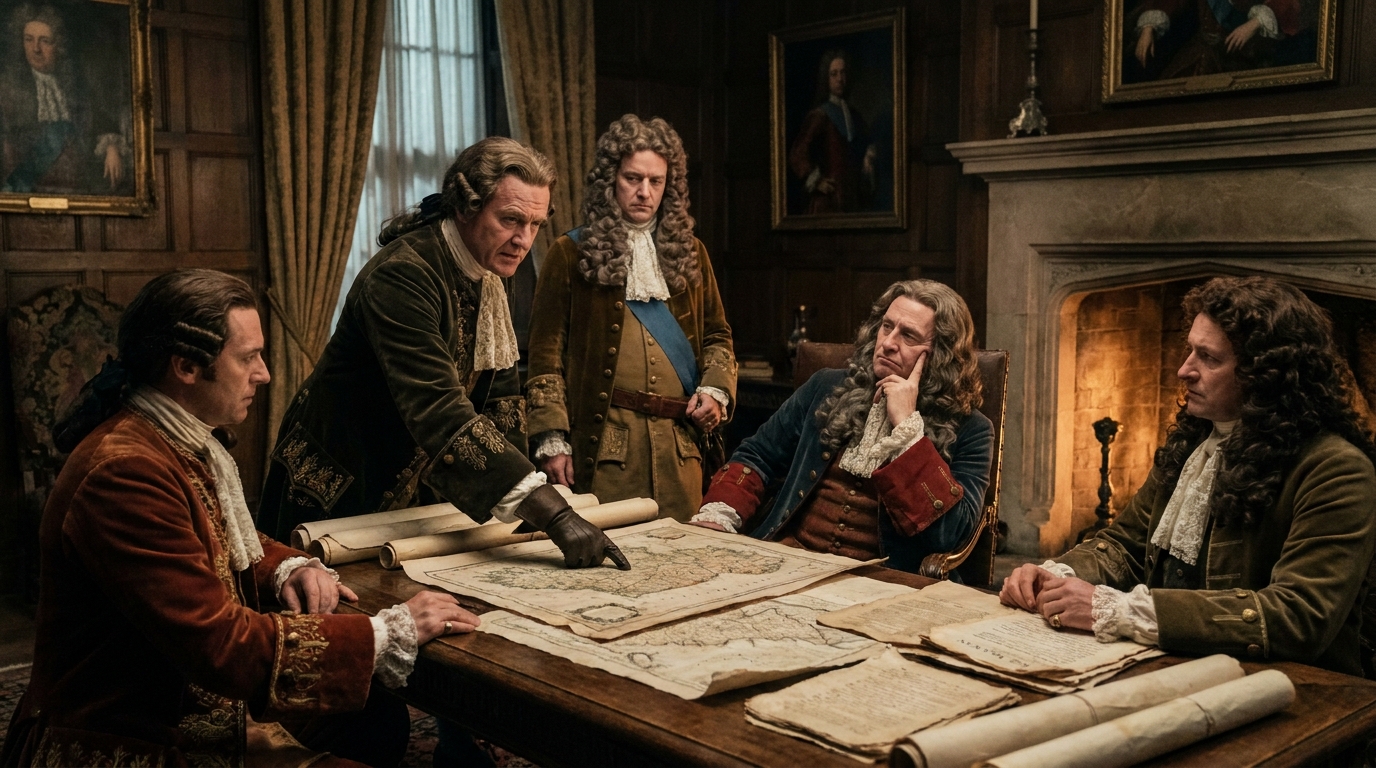
Drogheda Muster
Limerick entered the military calculations of the Jacobite leadership during the first half of September 1689, as Marshal Schomberg’s Williamite army advanced southwards through Ulster. French commander Conrad de Rosen regarded Dublin and Drogheda as dangerously exposed and favoured concentrating the Irish forces behind the Shannon, with Athlone and Limerick forming the principal defensive centres. The proposal revealed how rapidly Limerick had become important to the survival of James II’s cause. Richard Talbot, Duke of Tyrconnell, opposed an immediate abandonment of the eastern approaches and supported assembling the available Jacobite regiments around Drogheda to confront the advancing enemy.
Read Article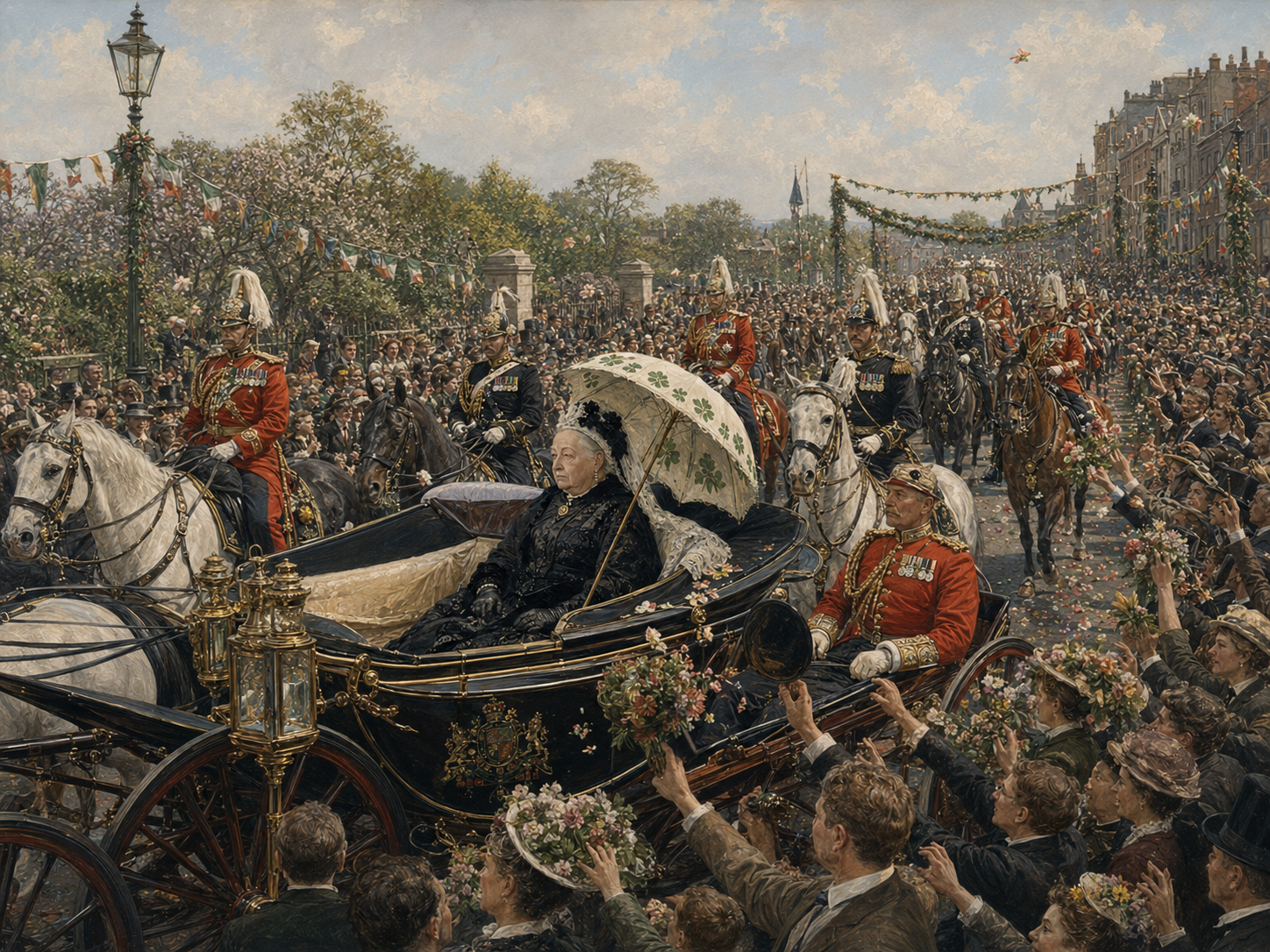
Hidden Discontent
Advanced nationalists have rejected claims that Queen Victoria’s public reception demonstrates widespread Irish loyalty, arguing that the decorations and official ceremonies conceal deep political discontent. Dublin’s principal streets have been covered with garlands, ceremonial arches and symbols of imperial authority, while military escorts, civic addresses and organised celebrations have presented an image of national harmony. Separatist critics insist that this display was created by government departments, loyal institutions and commercial interests rather than by an Ireland content with British rule.…
Read Article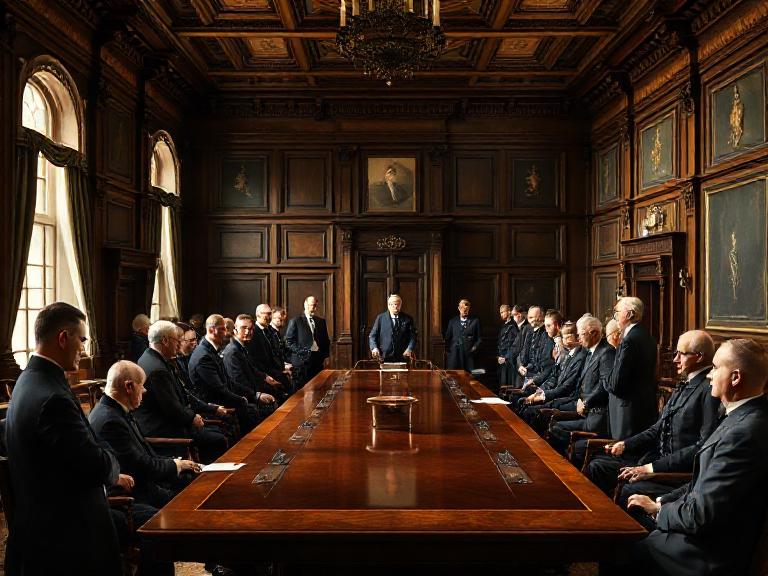
Nationalist Reunion
Representatives of Ireland’s divided nationalist factions assembled in the Oak Room of Dublin’s Mansion House on 17 January in an attempt to restore political unity after nearly a decade of bitterness. The split created by the fall of Charles Stewart Parnell had weakened nationalist organisation, divided parliamentary representatives and produced competing loyalties throughout the country. Those entering the oak-panelled civic chamber carried memories of denunciation, broken alliances and election contests fought between men who claimed to serve the same national cause. Their immediate purpose was to determine whether cooperation could replace factional rivalry before the divisions inflicted further damage upon the Home Rule movement.
Read Article