Divided Loyalties
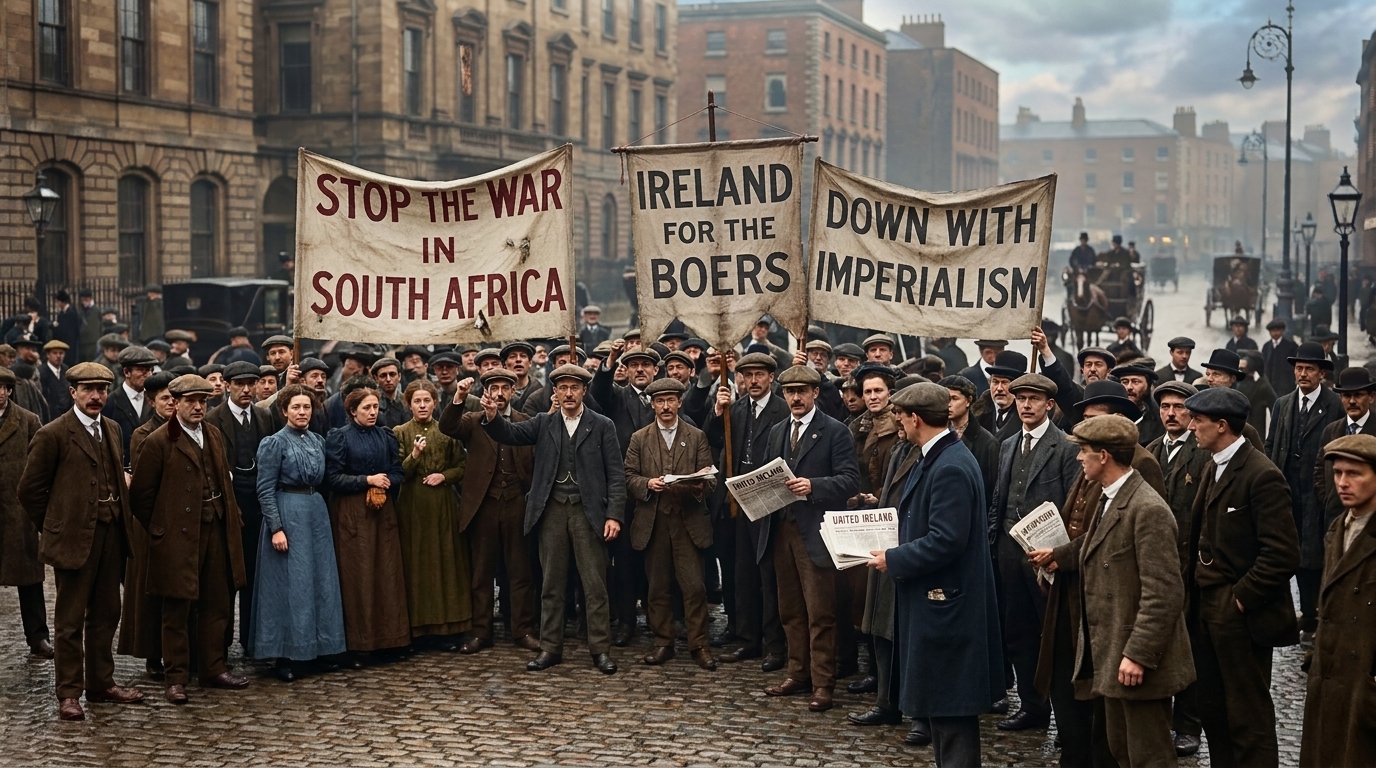
Irish public opinion during the South African War was divided in a manner that exposed the complicated relationship between nationalism, empire and military service. Nationalist newspapers and political organisations frequently expressed sympathy for the Boer republics, presenting their resistance to British expansion as a struggle resembling Ireland’s own opposition to imperial rule. Boer victories were sometimes welcomed as humiliations for a government that continued to deny Irish self-government. Public meetings, songs, newspaper commentary and street demonstrations gave the pro-Boer cause considerable visibility, making Ireland one of the strongest centres of anti-war and pro-Boer feeling in Europe.
Read Article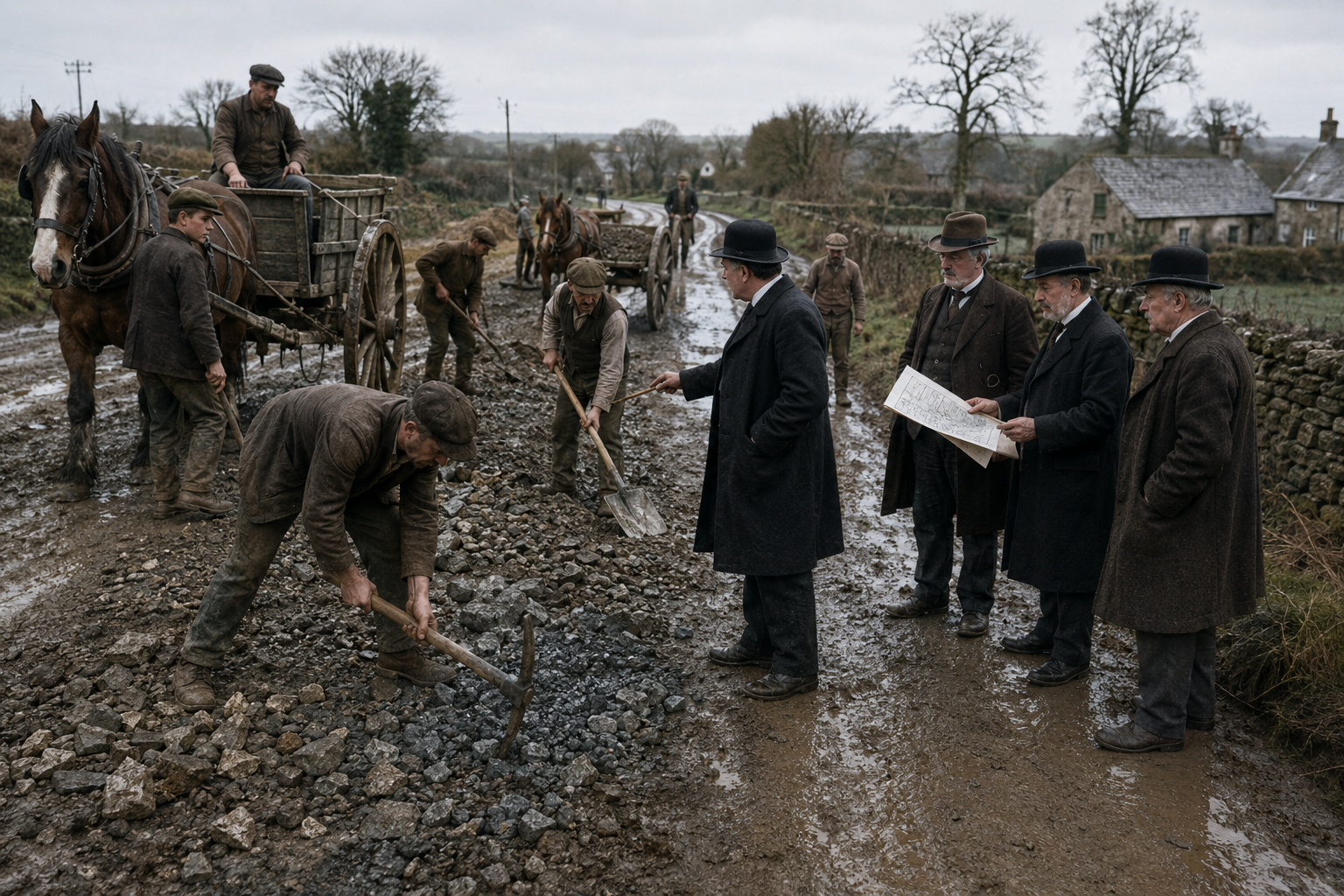
Labour Sanctioned
The Local Government Board approved Limerick County Council’s decision to undertake certain road works by direct labour where contractors had failed to tender. The ruling, reported on 5 January 1900, allowed the Council to place such roads under the County Surveyor and employ labourers without relying upon the customary contracting system. Approval did not introduce direct labour across every county road. It applied to works for which satisfactory private tenders had not been received, giving the newly established local authority a practical means of maintaining routes that might otherwise remain neglected.
Read Article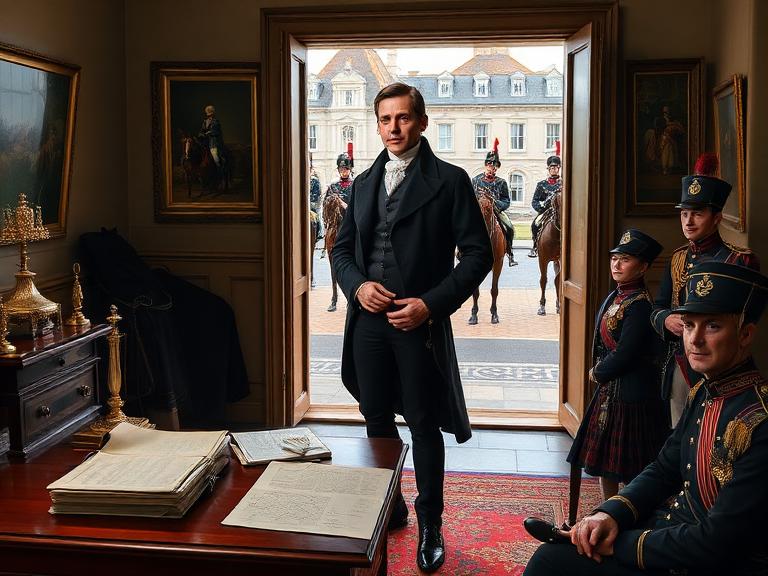
Ambition Rewarded
Edmond Henry Pery returned from a prolonged Grand Tour determined to convert education, family connection and social confidence into political influence. Travelling across continental Europe between approximately 1775 and 1779, he encountered courts, scholars, artists and aristocratic society, corresponding with figures including Sir William Hamilton at Naples and Frederick Hervey, Bishop of Derry. His notebooks recorded European constitutions, treaties, antiquities and works of art, giving the young Limerick heir the polish expected of an ambitious gentleman. When he returned to Ireland, he entered public life as a cosmopolitan aristocrat prepared to use family influence and government loyalty to advance himself.
Read Article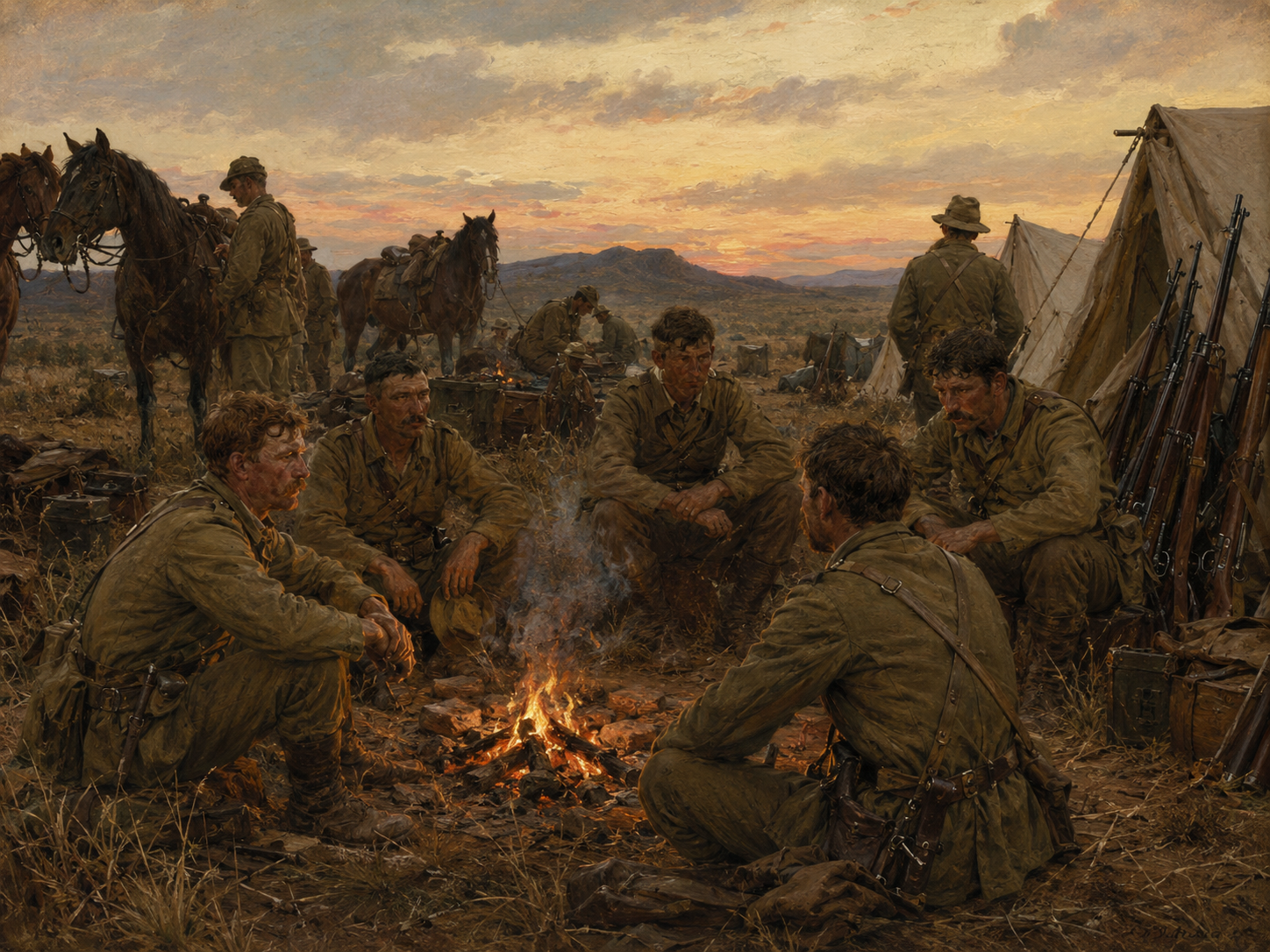
Yeomanry Depart
Reports from Cape Town in early March 1900 carried the movement of the Leicestershire Yeomanry into Limerick homes already preoccupied with the South African War. The 7th (Leicestershire) Company of the 4th Battalion, Imperial Yeomanry, had reached the Cape near the end of February and was ordered inland with its battalion on 4 March. Although this county contingent had not been recruited in Limerick, its departure held local meaning because the Royal Munster Fusiliers drew heavily from Limerick city and county, while their 1st Battalion was already serving in South Africa.
Read Article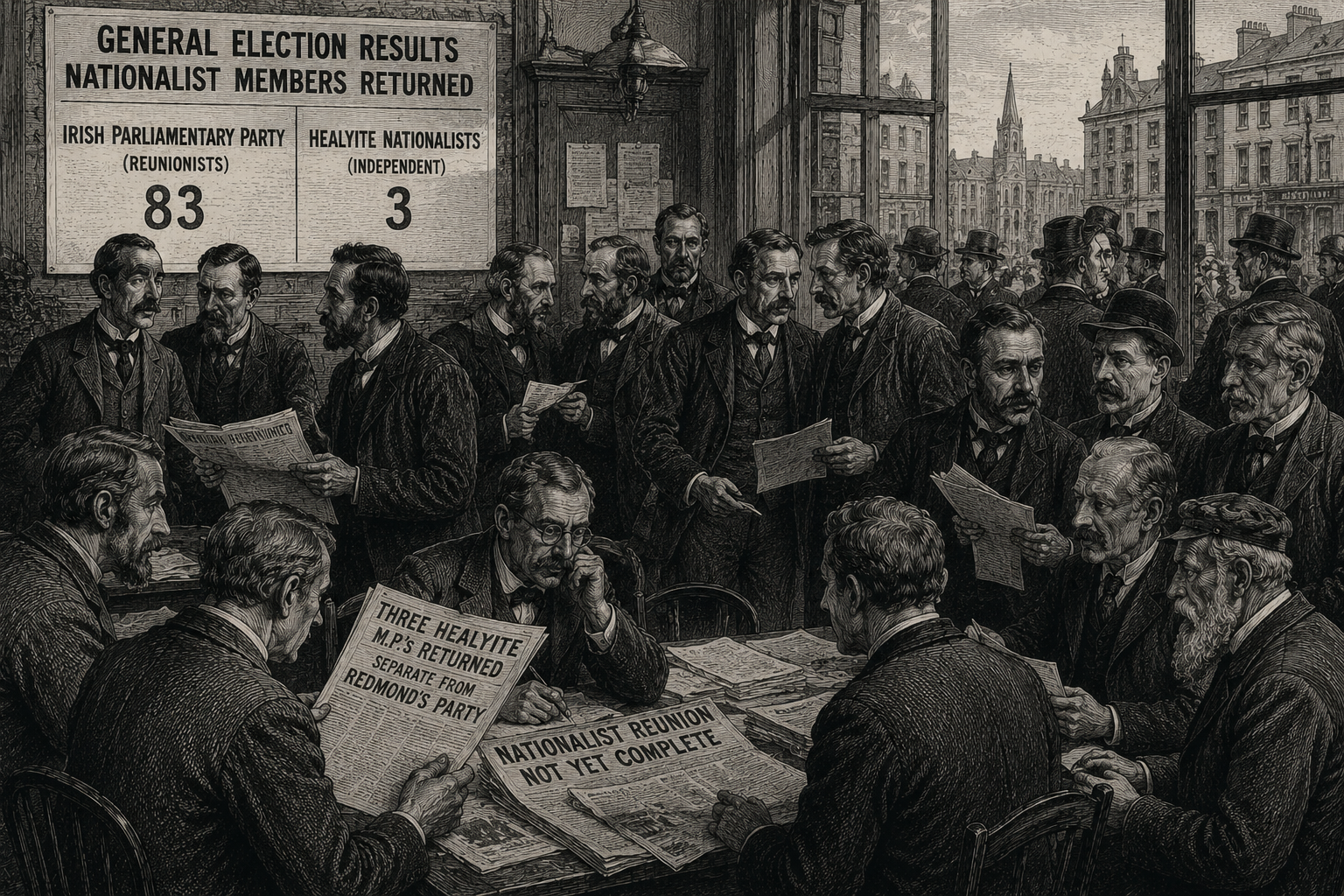
Unity Fractures
The completion of the general election has shown that the reunion of Irish parliamentary nationalism remains incomplete. Although John Redmond’s Irish Parliamentary Party has secured the overwhelming majority of nationalist seats, six supporters of Timothy Michael Healy have been returned outside the disciplined party organisation. The result will attract close attention among nationalists in Limerick city and county, where unity has been presented as essential to advancing Home Rule and land reform. Healy’s surviving parliamentary following demonstrates that the personal,…
Read Article