Garrison Announced
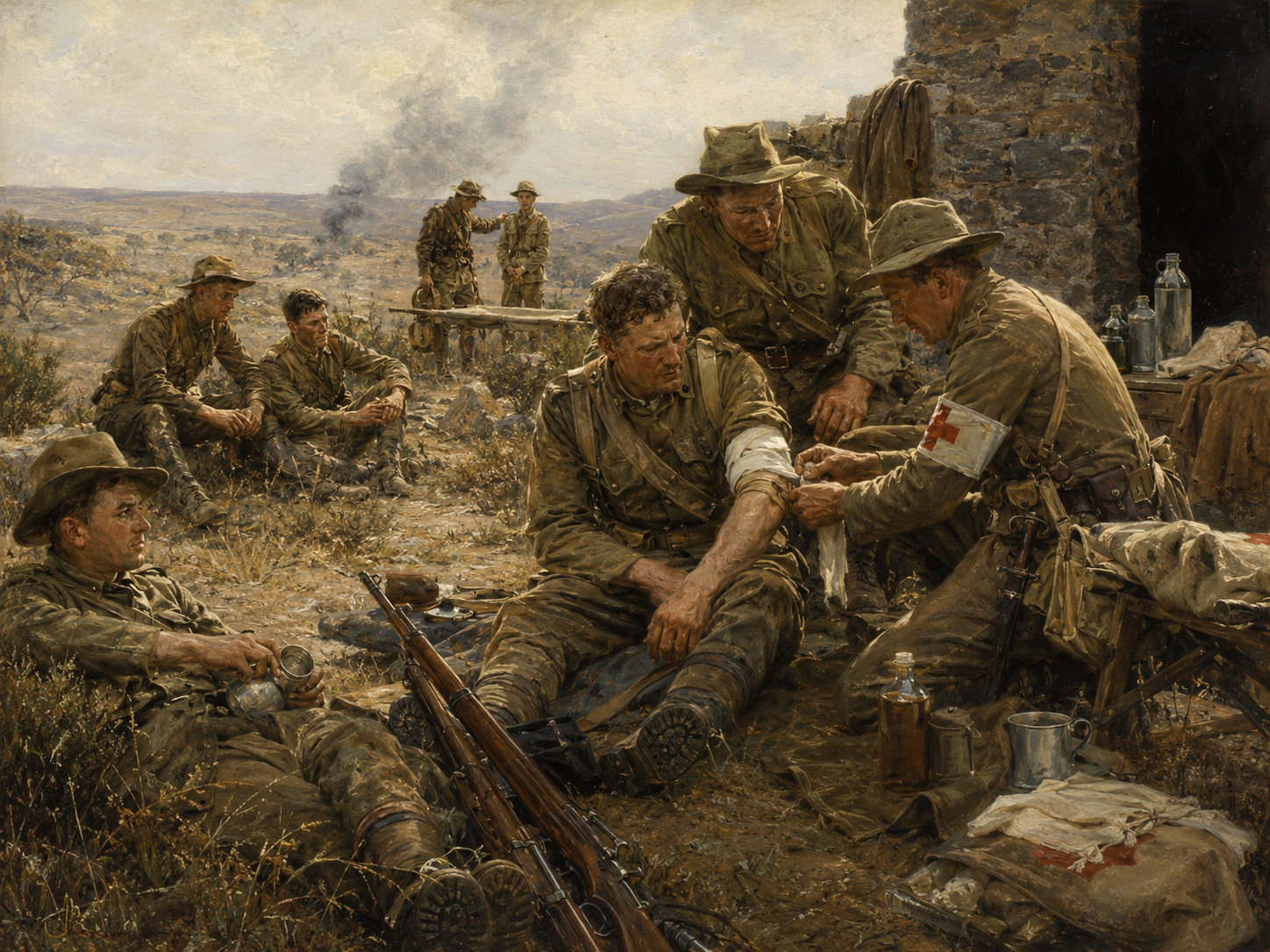
A new military garrison was announced for Limerick on 2 January 1900, although the arrangement proved provisional. Contemporary reports stated that the 3rd Battalion, Oxfordshire Light Infantry, formerly the Royal Bucks Militia, would be embodied at High Wycombe and sent to Limerick for garrison duty during the South African War. The announcement also noted that the home details left behind by the regiment’s 1st Battalion, which had departed Aldershot for active service, had already reached the city. Within days, however, the proposed destination was altered, and the militia battalion was directed to Buttevant rather than Limerick.
Read Article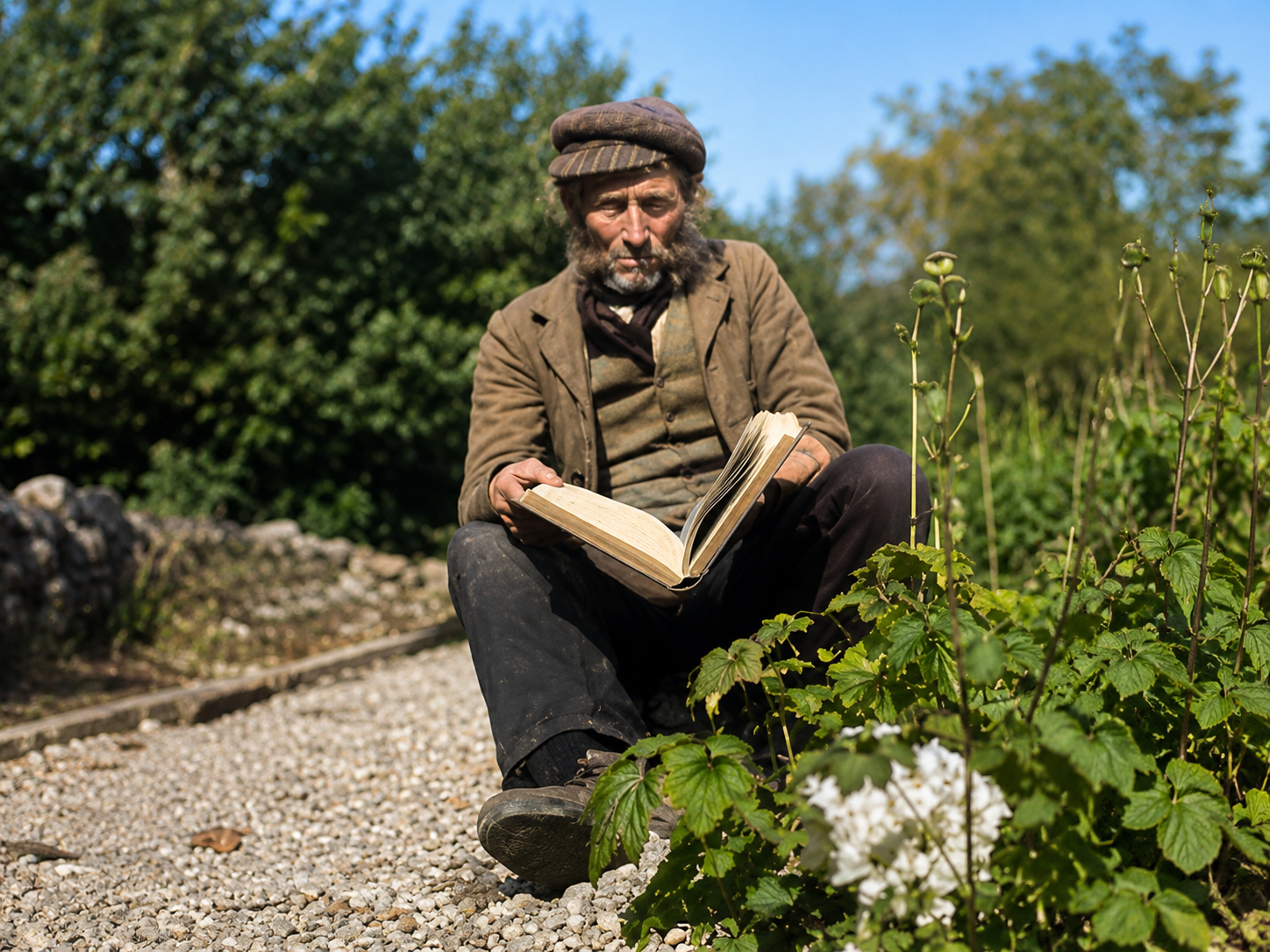
Folklorist Dies
William Larminie, poet, scholar and collector of traditional Irish stories, died from pneumonia at his home in Bray, County Wicklow, on 19 January. He was fifty years old. Born in Castlebar, County Mayo, in 1849, Larminie had devoted much of his later life to literature, philosophy and the preservation of oral storytelling. His death removed an important figure from the developing Irish cultural revival at a time when scholars and writers were turning increasingly towards the Irish language, mythology and folklore. He was survived by his elderly mother and was buried in the churchyard at Enniskerry.
Read Article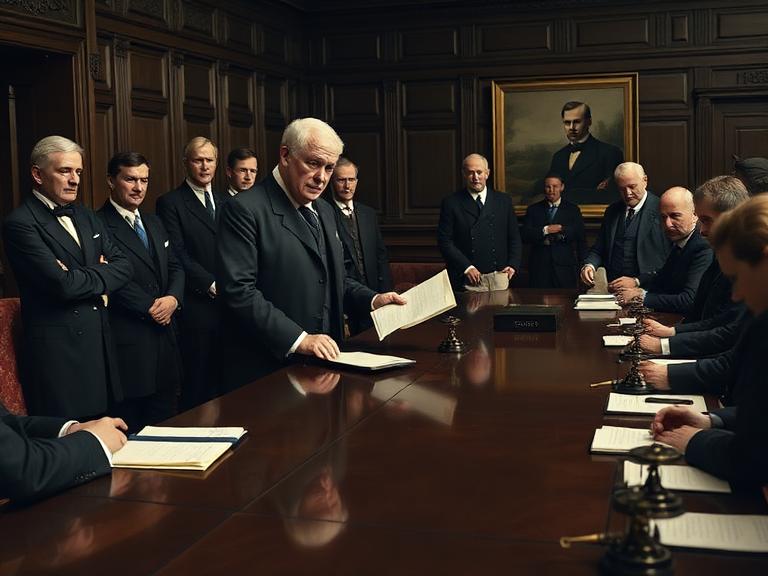
Dillon Concedes
John Dillon confirmed during the closing days of January that he was prepared to relinquish any personal claim to the leadership of a reunited nationalist parliamentary movement. As chairman of the Irish National Federation and the most influential figure among the majority anti-Parnellites, Dillon might reasonably have expected to compete for control of the restored party. His decision indicated that the negotiations had moved beyond symbolic reconciliation towards a practical settlement. After nearly a decade of factional conflict, unity required senior politicians to sacrifice position, prestige and the expectations of supporters who regarded leadership as confirmation that their side had prevailed.
Read Article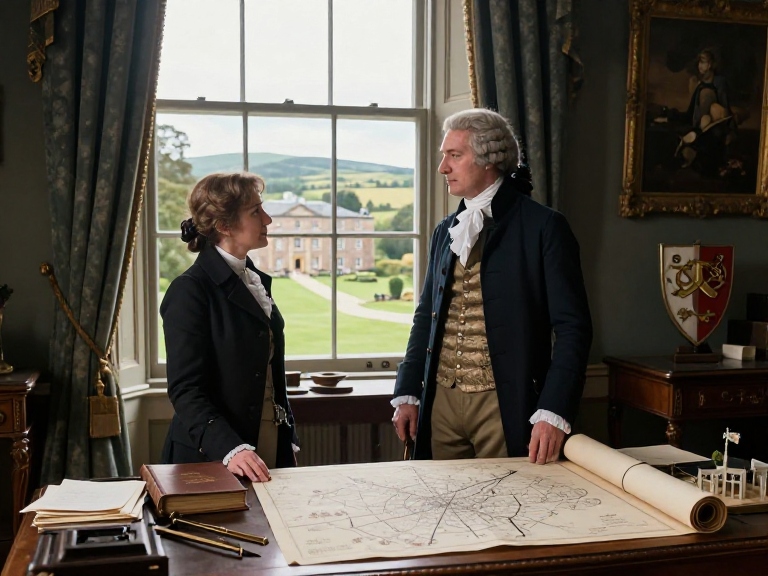
Mallow Inheritance
William Cecil Pery’s choice of “Mallow” as the territorial designation of his barony appears to have reflected his close relationship with Mrs Theodosia Clayton and a probable inheritance from her family’s County Cork property. The Claytons had long been associated with Annabella, an estate outside Mallow, and retained considerable interests within the manor. When Pery was created Baron Glentworth of Mallow in 1790, the title joined the older Wray connection represented by Glentworth with a Cork property interest that had entered the Pery family’s expanding network of estates, financial responsibilities and social alliances.
Read Article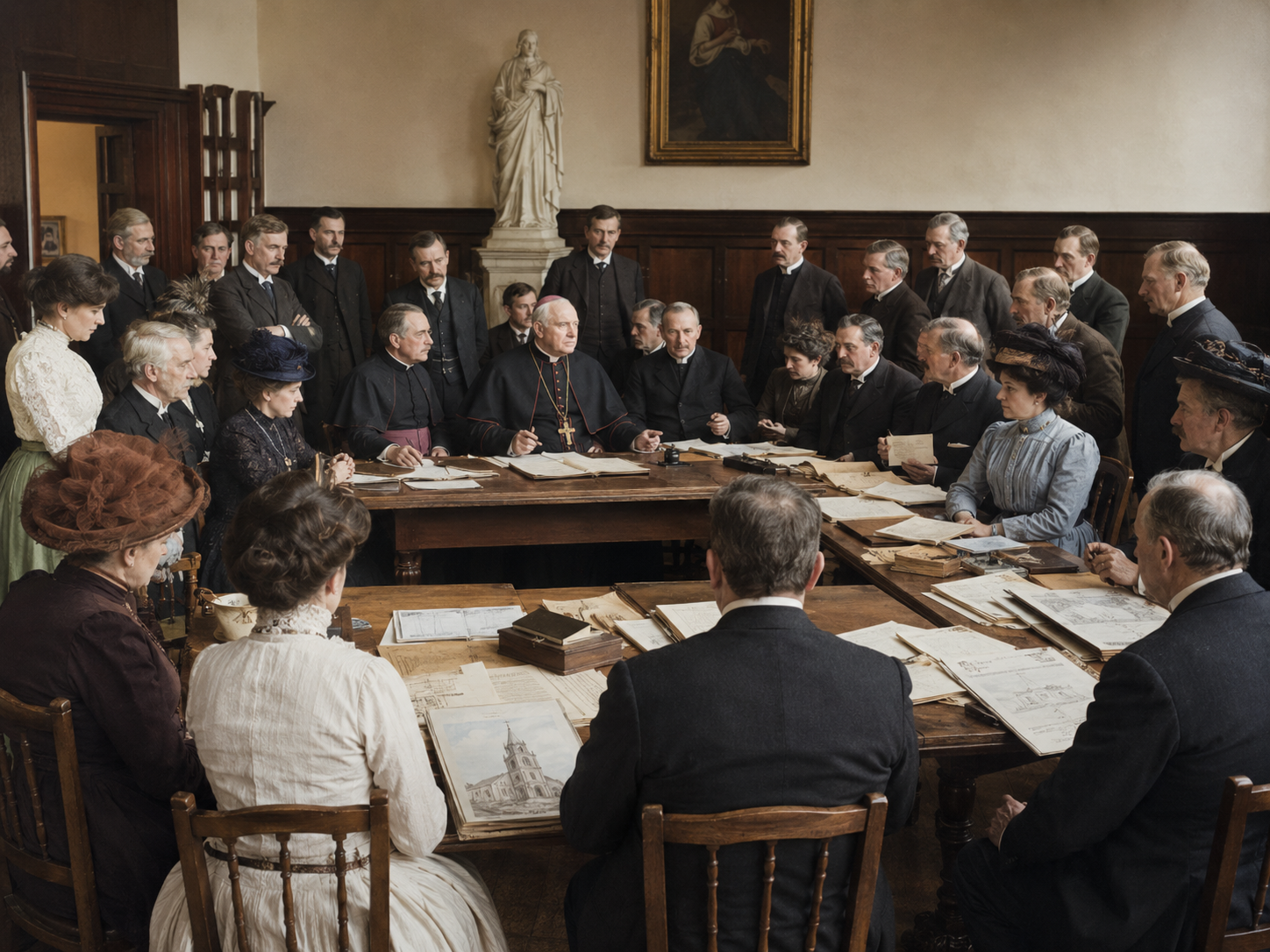
Kincora Preparations
A large public meeting reported on 4 January 1900 gathered in the Lecture Hall of Limerick’s Catholic Institute to organise a fête and fancy fair in aid of the new St Joseph’s Church then under construction in St Michael’s Parish. Bishop Edward Thomas O’Dwyer presided over an attendance of clergy, women, merchants and other prominent citizens. The gathering agreed that the event should take place during June and established committees to undertake the considerable work involved. Their responsibilities included subscriptions, entertainments, stalls, decorations, publicity and the practical management of what organisers intended to become a major civic fundraising occasion.
Read Article