Garrison Announced(c.1900s)
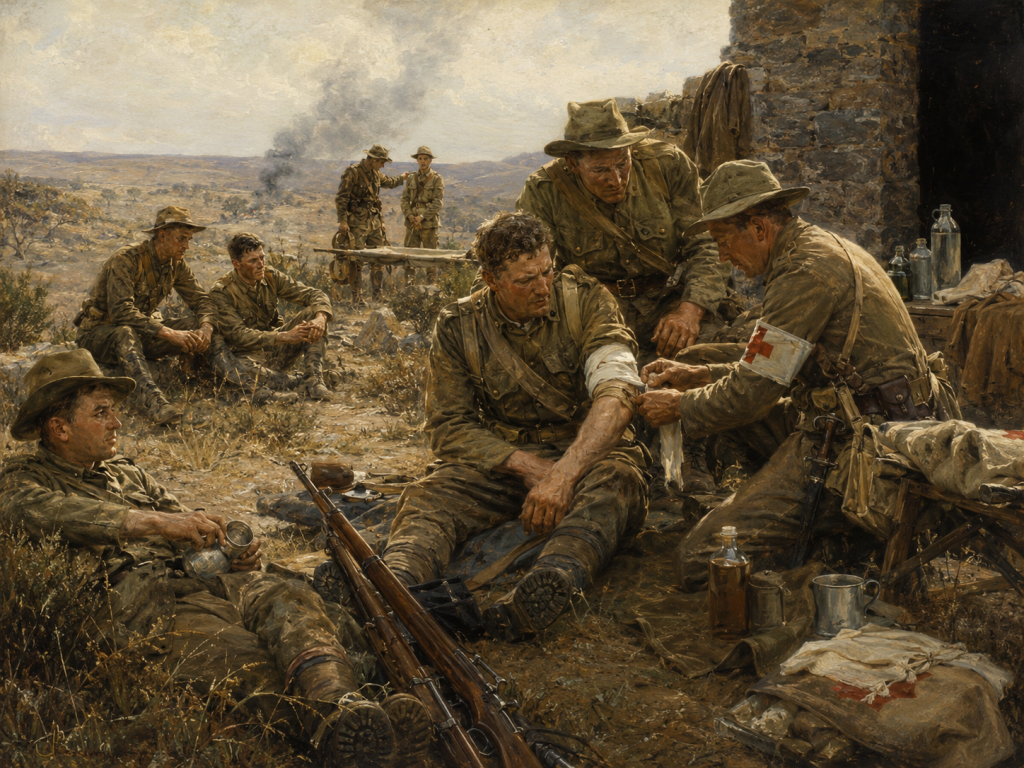
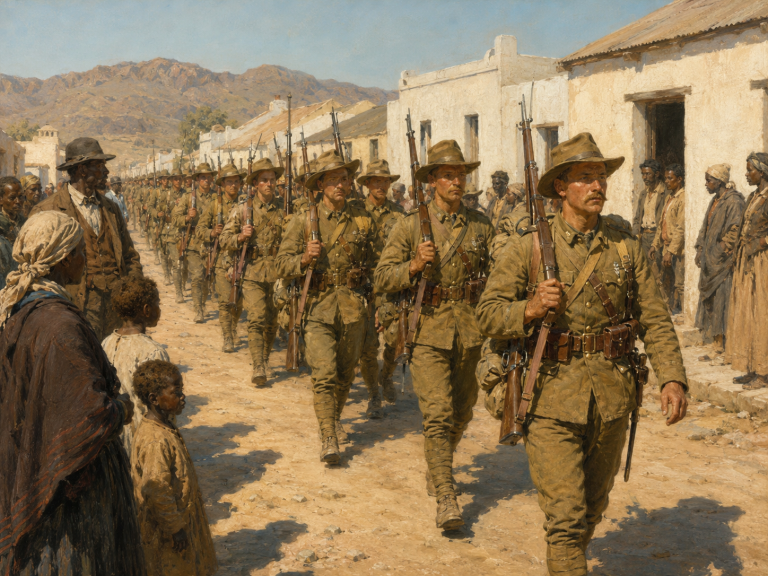
A new military garrison was announced for Limerick on 2 January 1900, although the arrangement proved provisional. Contemporary reports stated that the 3rd Battalion, Oxfordshire Light Infantry, formerly the Royal Bucks Militia, would be embodied at High Wycombe and sent to Limerick for garrison duty during the South African War. The announcement also noted that the home details left behind by the regiment’s 1st Battalion, which had departed Aldershot for active service, had already reached the city. Within days, however, the proposed destination was altered, and the militia battalion was directed to Buttevant rather than Limerick.
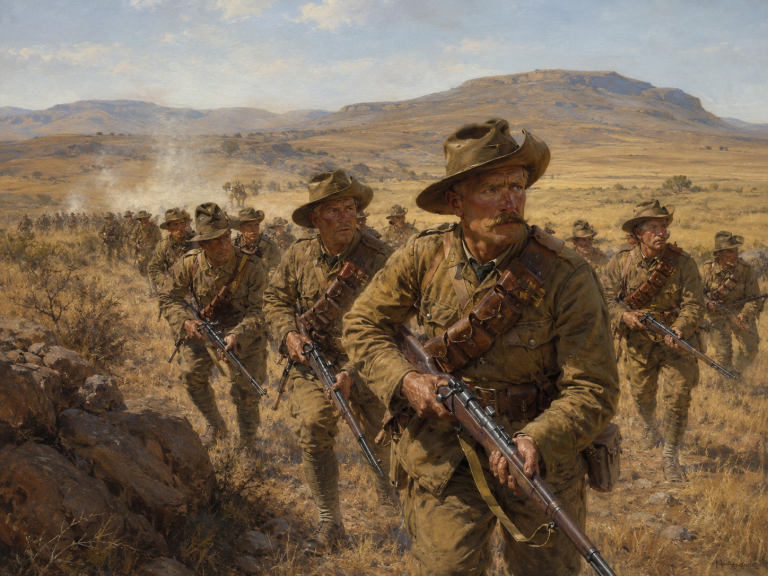
The 3rd Battalion was not a regular-service formation but a militia unit attached to the Oxfordshire Light Infantry under the army reforms of 1881. Its older identity as the Royal Buckinghamshire Militia remained widely used, reflecting a history and recruiting base centred upon High Wycombe. Militia battalions were ordinarily raised for domestic defence, training and reinforcement rather than permanent overseas campaigning. The war in South Africa placed exceptional pressure upon the British Army, however, requiring auxiliary forces to assume duties at home and in Ireland while regular battalions were concentrated for service against the Boer republics.
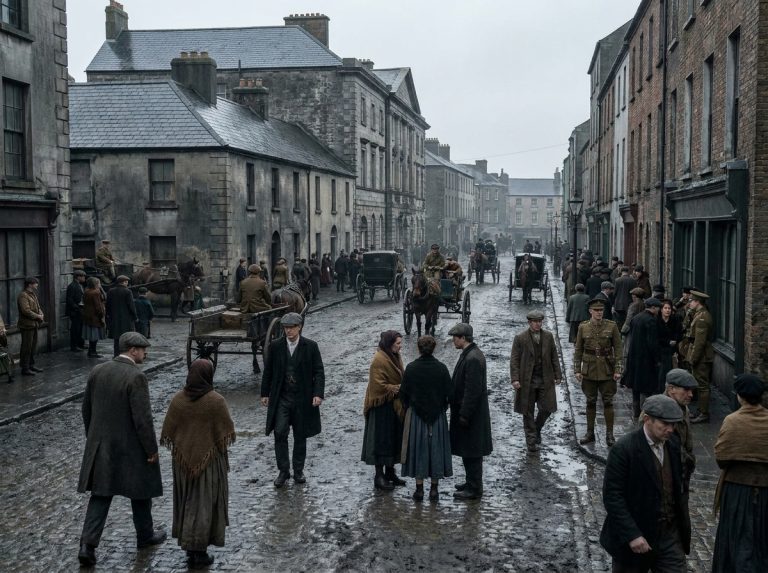
For Limerick, the announcement demonstrated how a distant imperial war was reshaping the city’s military establishment. Barracks, railway facilities, supply arrangements and local services were required to accommodate troops passing through or replacing units dispatched overseas. The arrival of the Oxfordshire Light Infantry’s remaining details connected Limerick directly with a regiment preparing for active operations in South Africa. Soldiers stationed locally also affected civilian life through spending, transport requirements, discipline cases and relationships with employers and public institutions. Even an intended posting that was later changed required planning by military authorities and alerted the city to further wartime movements.
The revised order sent the Royal Bucks militiamen to Buttevant, County Cork, where they arrived after embodiment in January and joined a substantial concentration of auxiliary troops. They later trained at Kilworth before returning to Buttevant. During their service in Ireland, the battalion helped release regular soldiers for the war and supplied volunteers and reinforcement drafts to the 1st Oxfordshire Light Infantry in South Africa. The change of destination illustrates the speed with which War Office arrangements were revised during the early months of the conflict, when troop shortages and transport demands repeatedly altered previously announced plans.
Although the battalion itself did not take up the announced Limerick station, the episode remains significant within the city’s wartime history. It records Limerick’s place within the network of Irish garrisons used to sustain Britain’s overseas campaign and shows how regular and militia formations were redistributed to meet an emergency. The distinction between announcement and fulfilment is important: the Royal Bucks Militia was assigned publicly to Limerick, but the order was superseded before the battalion arrived. Limerick nevertheless received regimental personnel and remained affected by the broader movement of soldiers, reservists and military resources caused by the South African War.
Primary Sources
- Irish Times, 2 January 1900, contemporary military report announcing the intended assignment of the 3rd Battalion, Oxfordshire Light Infantry, Royal Bucks Militia, to Limerick; page not confirmed.
- Daily Telegraph & Courier (London), 9 January 1900, report that the Royal Bucks Militia, previously intended for Limerick, would instead be stationed at Buttevant.
- Ian F. W. Beckett, Buckinghamshire: A Military History, Chapter Seven, “1899–1914,” Buckinghamshire Military Museum Trust, account of the battalion’s embodiment at High Wycombe on 17 January 1900 and subsequent service at Buttevant and Kilworth.
- The New Annual Army List, Militia List, and Yeomanry Cavalry List for 1900, entry for the Oxfordshire Light Infantry and its 3rd Battalion, Royal Bucks Militia.
- H. W. Base, The Regimental Records of the British Army, London: George Bell and Sons, 1901, entry for the Oxfordshire Light Infantry identifying the 3rd Battalion as the Royal Bucks Militia.
- War Office, Distribution of the British Army, May 1900, listing the 3rd Battalion, Oxfordshire Light Infantry, Royal Buckinghamshire Militia, as stationed in Ireland.
- House of Commons Debates, Army Supplementary Estimates, 1899–1900, 15 February 1900, vol. 79, discussion of militia mobilisation and the replacement of regular forces sent to South Africa.