Battalion Arrives
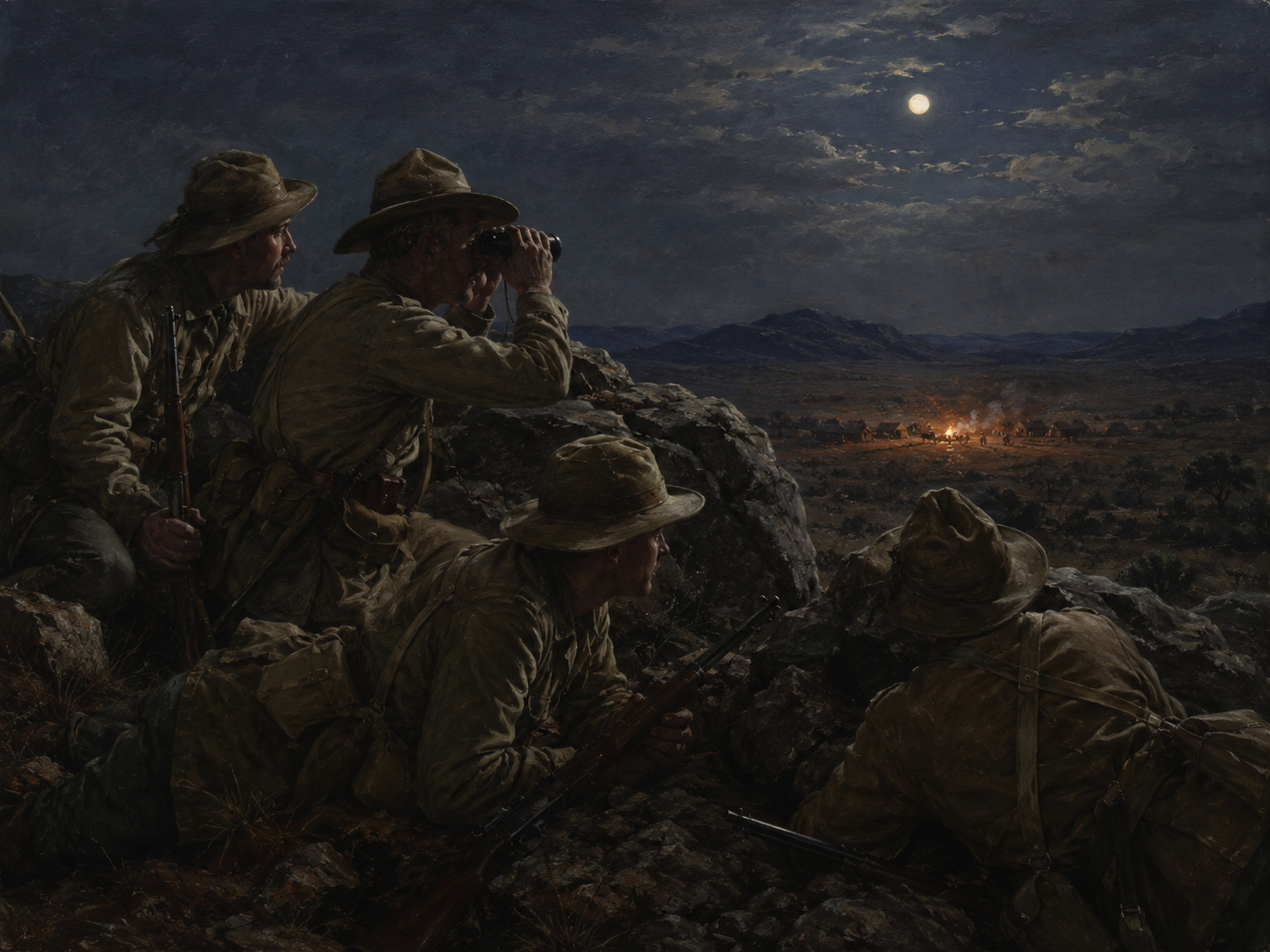
The 1st Battalion of the Royal Irish Regiment reached the Cape aboard the troopship Gascon on 7 January, completing a voyage that had begun on 14 December. Its arrival formed part of Britain’s accelerating military reinforcement of South Africa after the serious reverses suffered during the opening months of the war. The soldiers disembarked into an unfamiliar summer climate after spending more than three weeks at sea, carrying rifles, uniforms, personal kit and the expectations of a campaign whose duration remained uncertain. Their landing transformed the battalion from a home-based regiment into an active component of Britain’s expanding field army.
Read Article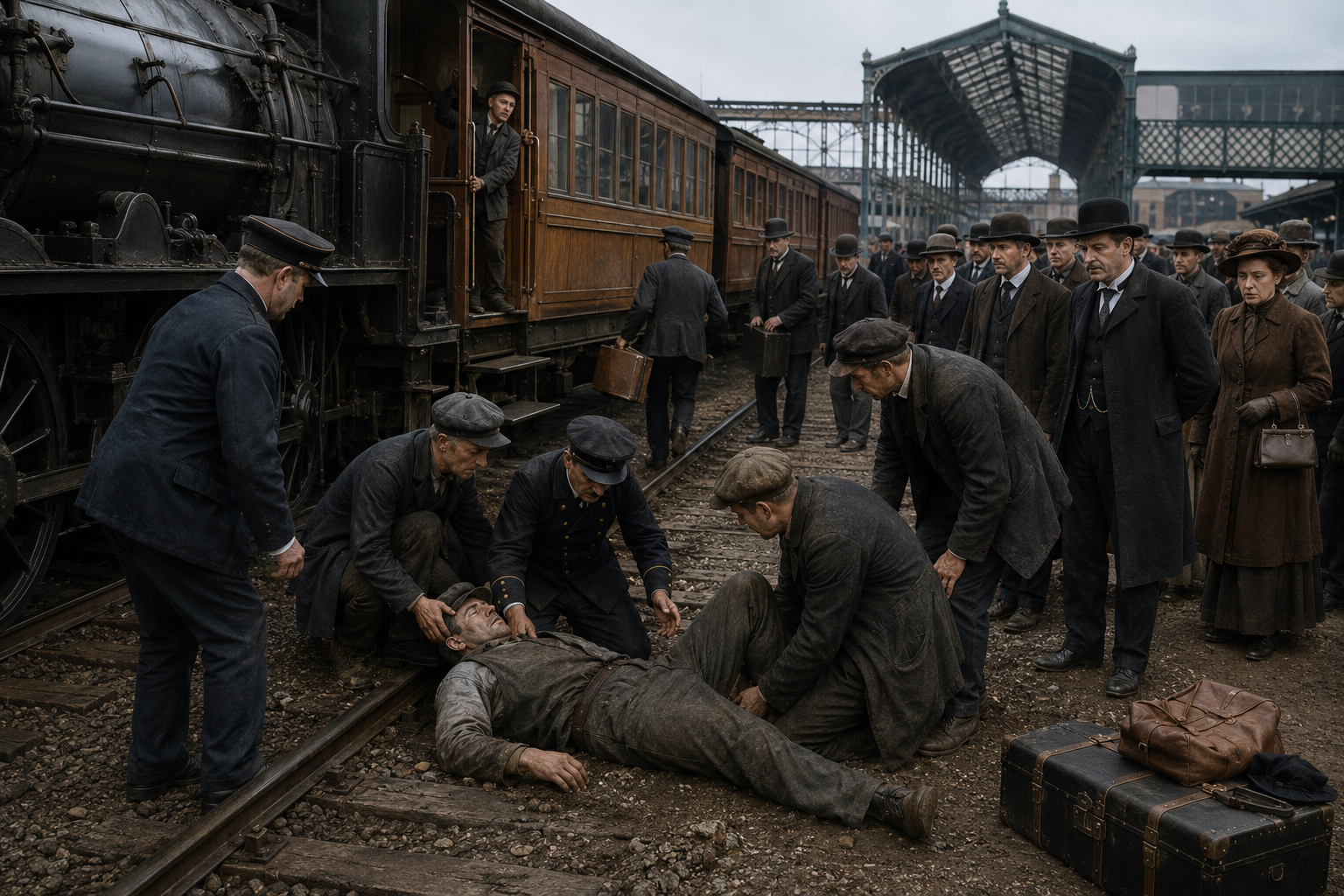
Terminus Tragedy
A serious accident at Limerick railway terminus left labourer James Davoren requiring the amputation of his right leg. The Irish Times reported on 2 January 1900 that Davoren had gone to the station to see his brother, described as a solicitor, depart by train for Fermoy. During the farewell, he fell from the platform onto the permanent way and was caught beneath the passing train. Railway staff and bystanders found him lying on the rails after the carriages had cleared. He was removed without delay to Barrington’s Hospital, where surgeons determined that the injured limb could not be saved.
Read Article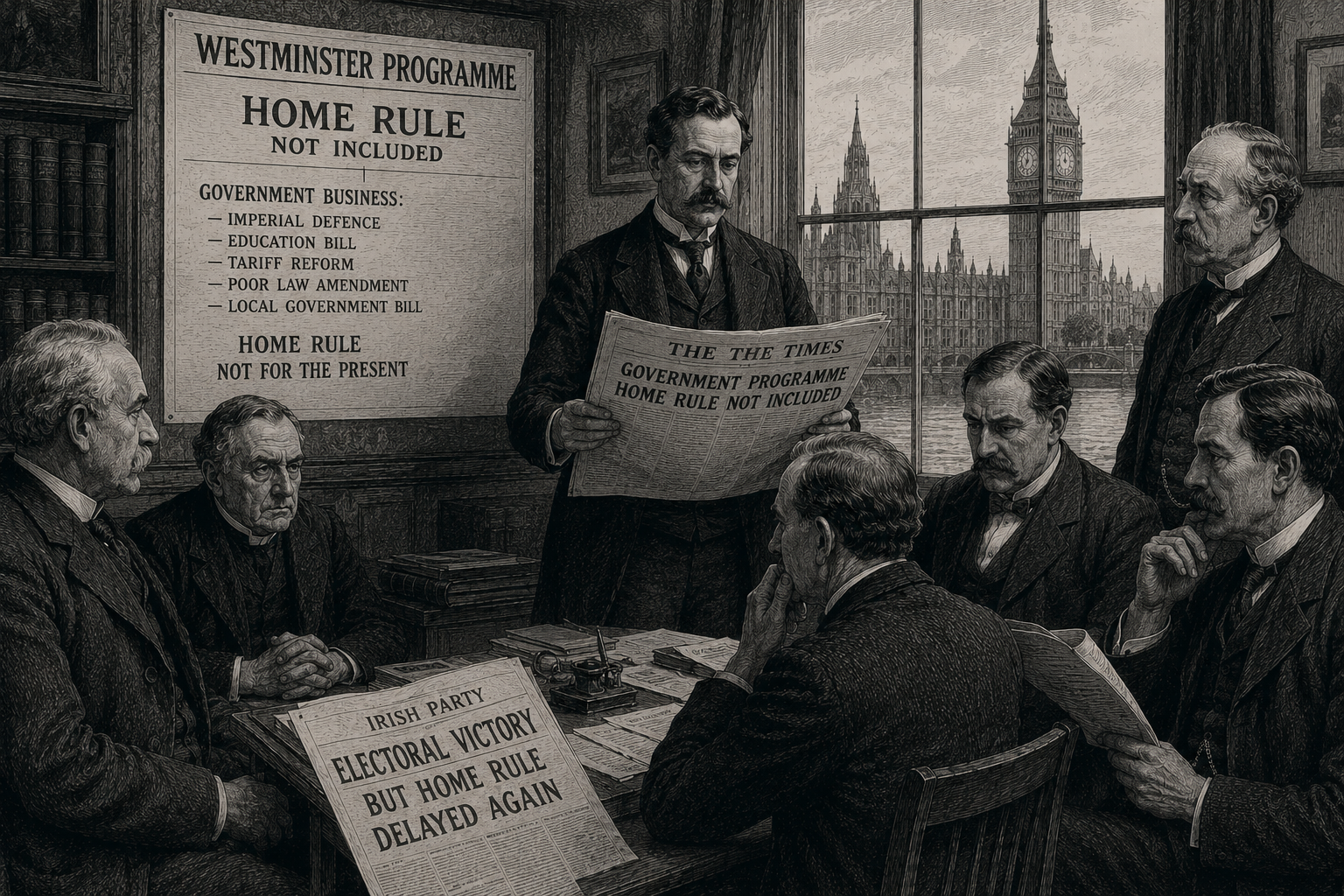
Home Rule Deferred
The opening of the new Parliament has confirmed that Home Rule remains outside the immediate programme of the government, despite the strong electoral recovery of John Redmond’s reunited Irish Parliamentary Party. Nationalists returned seventy-seven members from Ireland’s 103 constituencies, giving the demand for an Irish legislature a commanding parliamentary voice. Yet the administration of Lord Salisbury, strengthened by its general-election victory, has offered no proposal for restoring domestic government in Dublin. In Limerick city and county, where nationalist representatives were…
Read Article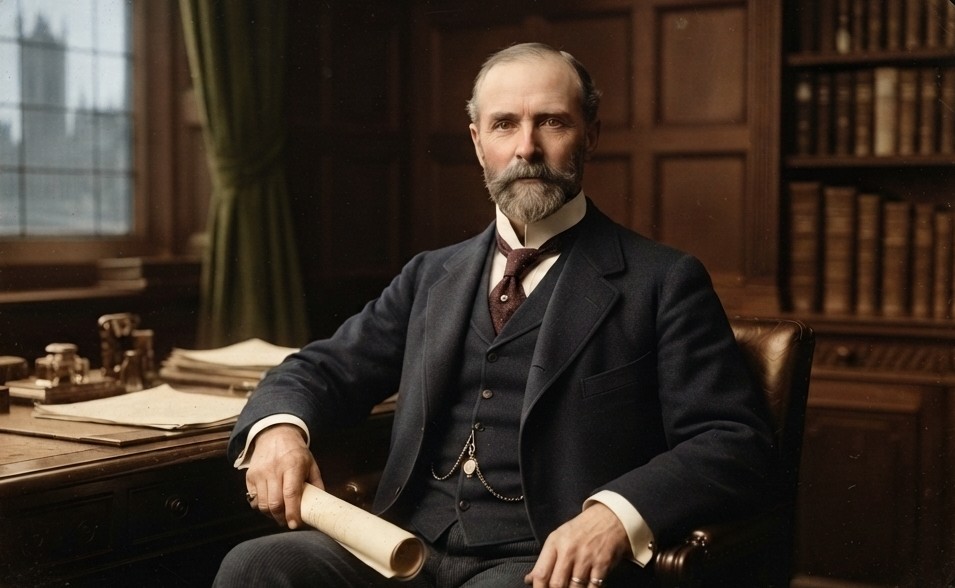
Difficult Ally
Tim Healy remained one of the most influential yet troublesome figures involved in the effort to reunite Ireland’s divided parliamentary nationalists during January 1900. A formidable barrister, experienced Member of Parliament and devastating political speaker, Healy possessed an authority that could not easily be ignored. He had opposed Charles Stewart Parnell during the leadership crisis of 1890 and subsequently quarrelled with leading anti-Parnellites, particularly John Dillon. By the end of the decade, Healy commanded his own following of MPs and local activists. Any credible agreement restoring nationalist unity therefore required his cooperation, even though many former colleagues distrusted his intentions and feared his independence.
Read Article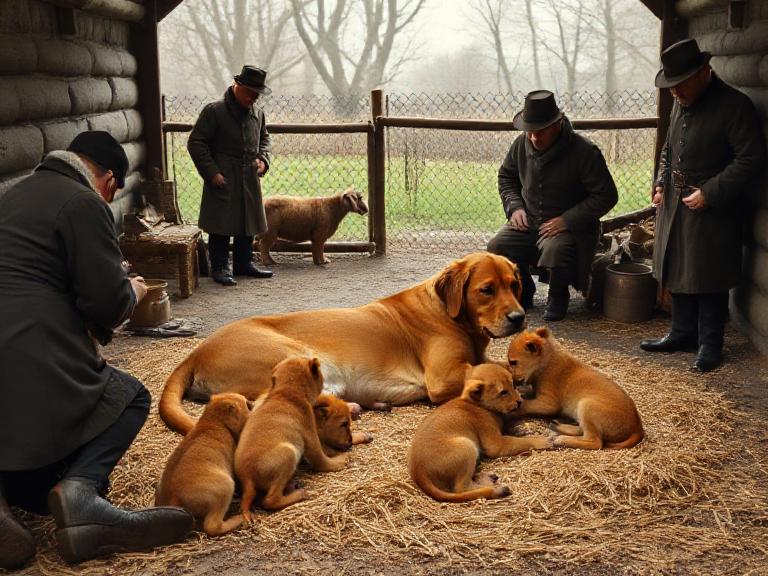
Unlikely Nurse
Three young lion cubs raised with the assistance of an Irish red setter were placed on public view at Dublin Zoo on 16 January, attracting attention to one of the most unusual episodes in the Gardens’ long breeding history. The cubs had been born to the lioness Hypatia, but she refused to nurse them. Keepers were therefore forced to seek another source of milk if the litter was to survive. A goat was first employed for several days before the setter assumed the role of foster mother, accepting the vulnerable cubs and feeding them alongside the close supervision of zoo staff.
Read Article