Archived: 26 September 2026
Abstract
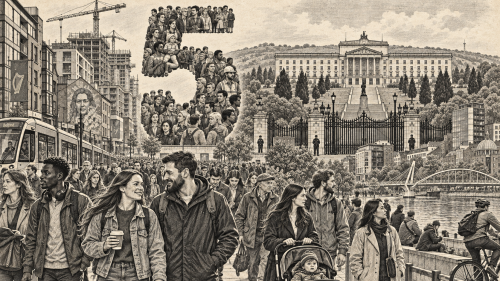
In 2022, Ireland lifted most Covid restrictions, restoring public life while health services retained pandemic pressures. Russia’s invasion of Ukraine brought sanctions, temporary protection and more than 64,000 arrivals, intensifying housing shortages and inflation; government introduced energy and welfare supports. Census results recorded 5,123,536 residents, the first population above five million since 1851. Housing, homelessness and maternity-hospital governance remained contentious. Sinn Féin became Northern Ireland’s largest Assembly party, but DUP opposition to the Protocol prevented an Executive. Ireland experienced its warmest recorded year, set emissions ceilings, marked cultural and revolutionary centenaries, and completed the orderly Martin-Varadkar Taoiseach rotation in December.
Read Article
Archived: 26 September 2026
Abstract
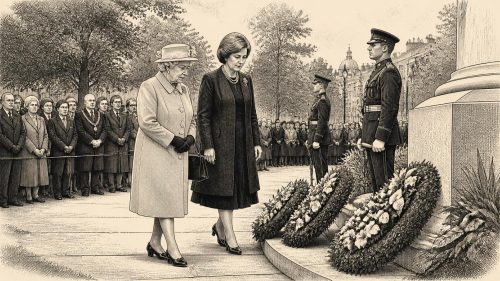
In 2011, Ireland underwent political, economic and social upheaval. Fine Gael and Labour replaced Fianna Fáil after an election dominated by the banking crisis, EU–IMF programme, austerity, unemployment and emigration. Census 2011 recorded a growing, increasingly diverse population. Civil partnership commenced, extending legal recognition to same-sex couples. Queen Elizabeth II’s State visit, including Croke Park, and Barack Obama’s visit to Moneygall symbolised reconciliation and international connection, although dissident violence persisted in Northern Ireland. The Cloyne report exposed grave failures over clerical abuse allegations, damaging institutional trust. Michael D. Higgins became President, promising ethical citizenship and solidarity amid continuing national hardship.
Read Article
Archived: 26 September 2026
Abstract
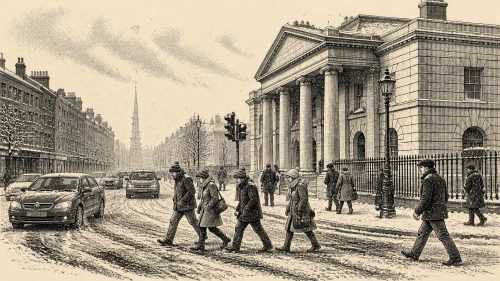
Ireland faced financial collapse as bank rescues, NAMA loan transfers, austerity and unemployment eroded confidence. In November, the Government sought an €85 billion EU–IMF assistance programme, followed by Budget 2011 cuts and taxes. Emigration rose sharply amid household insecurity. Civil partnership legislation recognised same-sex couples, while clerical-abuse revelations sustained scrutiny of Church authority. In Northern Ireland, policing and justice powers devolved, and the Saville report found Bloody Sunday killings unjustified, prompting Britain’s apology. Improving Anglo-Irish relations included plans for a royal visit. Tipperary and Cork won All-Ireland titles, while severe December cold disrupted life nationwide and severely strained public services.
Read Article

Archived: 26 September 2026
Abstract
In 2003, Ireland debated neutrality as United States forces continued using Shannon Airport during the Iraq invasion, prompting protests, parliamentary conflict and an unsuccessful legal challenge. Northern Ireland’s devolved institutions remained suspended despite British-Irish initiatives and IRA decommissioning; November’s election advanced the DUP and Sinn Féin. The Special Olympics World Summer Games, hosted across Ireland, celebrated athletes with intellectual disabilities and volunteering, while Tyrone won an Ulster all-Ireland final. Slowing Celtic Tiger growth nevertheless brought housing construction, immigration and pressure on services. Government plans for smoking restrictions provoked debate, and the Derrybrien peat slide exposed risks associated with wind-energy development.
Read Article

Archived: 26 September 2026
Abstract
In 2000, Northern Ireland’s new power-sharing Executive was suspended over IRA decommissioning, then restored after commitments and arms inspections, though no weapons were destroyed. Saville’s Bloody Sunday hearings began, while policing reform advanced through the Police (Northern Ireland) Act. In the Republic, Celtic Tiger growth brought low unemployment, inflation and infrastructure pressures, prompting the National Development Plan and Science Foundation Ireland. A national minimum wage, equal-status protections, human-rights legislation and child-abuse inquiry strengthened social accountability. Clinton visited Dundalk supporting peace. Sporting finals sustained shared rituals, but fragile devolution and unresolved arms left the peace process dependent on continuing international reassurance.
Read Article
Archived: 8 October 2026
Abstract
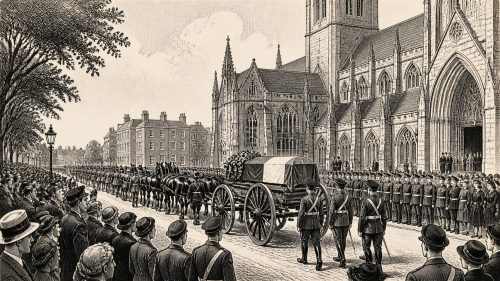
In 1949 Ireland became a republic, ending the Crown’s remaining external role, while Britain’s Ireland Act reinforced Northern Ireland’s constitutional position within the United Kingdom. Southern political leaders united publicly against partition, but efforts to link reunification with NATO membership failed. Post-war recovery remained uneven, with shortages, emigration, rural poverty and extensive state regulation continuing alongside electrification, statistical development and welfare administration. Housing, health and public services expanded gradually. Douglas Hyde’s funeral honoured a founder of cultural nationalism whilst exposing denominational divisions in public ceremony. The year combined republican assertion with enduring partition, social constraints, institutional growth and cultural ambition.
Read Article
Archived: 9 October 2026
Abstract
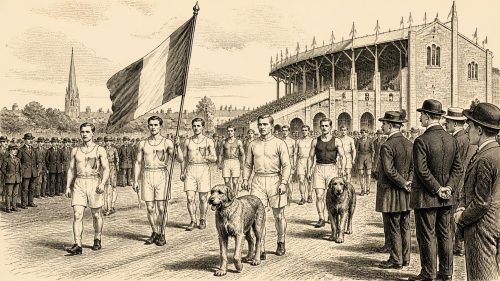
In 1924, the Irish Free State strengthened its authority after civil war. Government resistance to Liam Tobin’s Army Crisis affirmed civilian control and led towards a smaller professional army. New courts, policing and administrative laws established regular state institutions, while prosecutions for Civil War acts ended. The Boundary Commission began work amid nationalist expectations. Fiscal retrenchment, notably reduced old-age pensions, caused hardship. Railway legislation sought economic integration. Ireland competed independently at the Paris Olympics and hosted the Tailteann Games, projecting cultural confidence despite republican boycott. Irish-language education expanded. The year combined constitutional consolidation, austerity, unresolved partition and contested national self-presentation.
Read Article
Archived: 9 October 2026
Abstract
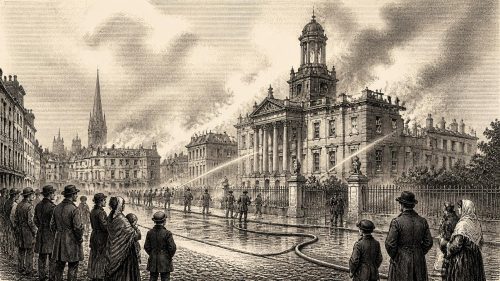
In 1920, Ireland’s political crisis widened into conflict across elections, workplaces, civic institutions and homes. Sinn Féin and Labour gained local authority, helping Dáil Éireann establish parallel courts, finance and propaganda, while Britain answered with emergency powers, troops, Black and Tans and Auxiliaries. IRA attacks, reprisals and executions, including Kevin Barry’s, intensified war. Cork symbolised the crisis through Tomás MacCurtain’s murder, Terence MacSwiney’s hunger-strike death and the city’s burning. Bloody Sunday and Kilmichael deepened violence. Labour resistance exposed regional divisions. Sectarian expulsions in Belfast accompanied the Government of Ireland Act, which legislated partition, shaping the 1921 truce and eventual negotiations.
Read Article




