Archived: 9 October 2026
Abstract
In 1921, Ireland moved from intense War of Independence fighting towards truce and treaty, amid coercion, raids and executions. IRA engagements at Crossbarry and Tourmakeady maintained pressure, while the Custom House burning destroyed records but cost lives and arrests. May elections confirmed Sinn Féin’s southern mandate and established Northern Ireland’s unionist government. The 11 July truce ended principal IRA–Crown operations but not Belfast’s sectarian violence. London negotiations produced the December Anglo-Irish Treaty, creating a dominion Free State while retaining the Crown, partition and British naval facilities. Signed but unapproved, it deeply divided republicans, leaving border, constitutional and security questions unresolved.
Read Article

Archived: 12 October 2026
Abstract
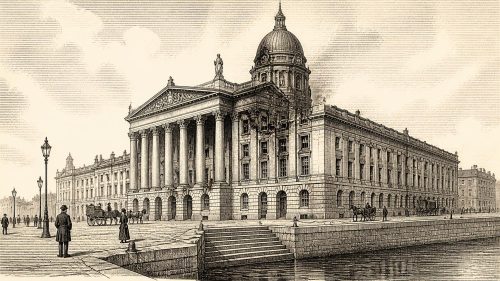
In 1781, wartime pressures, commercial controls and constitutional unrest shaped Ireland. James Gandon began Dublin's Custom House, a decade-long project intended to strengthen revenue collection and redirect trade eastwards along the Liffey. Embargoes, quarantine measures and maritime crime exposed ports to imperial conflict. The Protestant-led Volunteers, initially raised for defence, increasingly demanded commercial freedom and Irish legislative autonomy, while parliament acknowledged influence without granting settlement. An Armagh meeting prepared the 1782 Dungannon convention. Meanwhile, Granard founded its harp festival, supporting endangered traditional musicians. Measures associated with the parliamentary session did not establish the Bank of Ireland, which opened in 1783.
Read Article




