Archived: 18 October 2026
Abstract
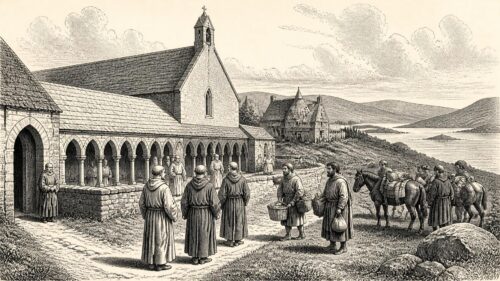
In 1530, Ireland remained divided among the Pale, Anglo-Irish magnates and Gaelic lordships. Gerald FitzGerald, ninth Earl of Kildare, returned from England alongside the new deputy, Sir William Skeffington, whose government relied uneasily on Kildare’s influence. Their forces compelled midland submissions from the O’Mores and O’Connors. Aodh Dubh O’Donnell raided Connacht and Breifne, extracting tribute, burning settlements and making temporary peace. Donegal hosted a Franciscan chapter lavishly supported by O’Donnell patronage. Annals also record deaths, dynastic killings and hospitality, illustrating authority founded on armed followings, negotiated settlements, religious patronage and household generosity rather than stable national rule throughout the island.
Read Article
Archived: 18 October 2026
Abstract
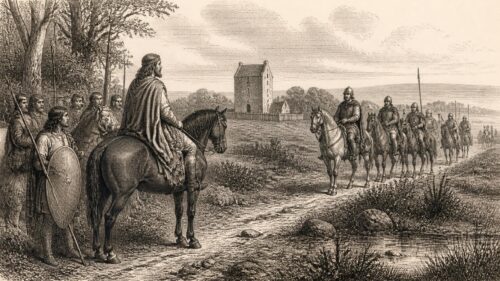
In 1528 Richard Nugent, Lord Delvin, vice-deputy during Kildare’s detention in England, was captured by Brian Ó Conchobhair Fáilghe after challenging the black rent paid by Meath communities. His imprisonment until February 1529 exposed Dublin government’s military weakness and dependence on magnates. Kildare’s continuing rivalry with Piers Butler, later earl of Ossory and deputy, deepened instability, while John Alen became chancellor after Hugh Inge’s death. Across Ireland, successions in Thomond, Bréifne and Moylurg, Uí Néill violence, Scottish-linked campaigning, learned and religious patronage, charitable hospitality, and a destructive pre-Christmas storm demonstrated resilient regional political, cultural and economic life beyond the Pale.
Read Article
Archived: 19 October 2026
Abstract
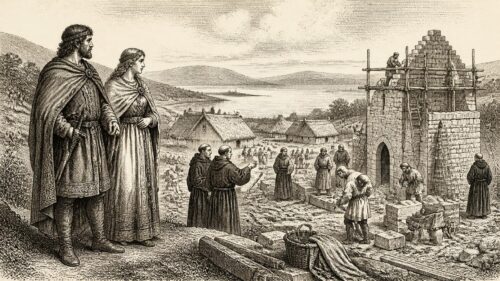
In 1474, Aodh Ruadh Ó Domhnaill and his wife Finola Ó Briain began Donegal’s Franciscan friary, intended as a dynastic mausoleum and declaration of Ó Domhnaill power. Its dating remains uncertain within 1472–74, but annals associate its foundation with 1474. Elsewhere, Ireland remained politically fragmented: Ó Domhnaill fought Ó Neill and Clann Aodha Buidhe; succession, raiding and castle destruction destabilised the midlands; and failed negotiations produced warfare in Connacht and Thomond. Dublin officials feared Scottish intervention. Deaths of bishops and hereditary scholars underline religion’s cultural role. The friary endured as a religious institution amid violence, dynastic competition and weak authority.
Read Article





