Archived: 12 October 2026
Abstract
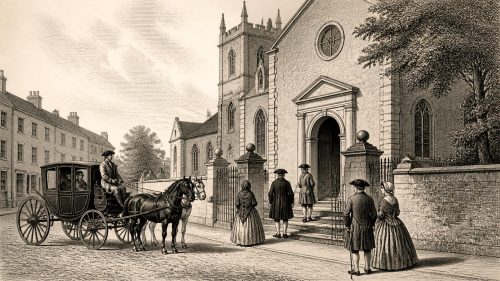
In 1787, Ireland’s Dublin parliament responded to agrarian unrest by passing the general Riot Act, amid Rightboy disturbances and attacks on property, tolls and officials. It also promoted manufactures, linen, trade and maritime regulation, while fiscal measures extended state oversight. Thomas Orde’s proposed nationwide school system, including free parish education, failed amid confessional distrust. John Butler, Catholic bishop of Cork and heir to Dunboyne, conformed to the Church of Ireland, an exceptional conversion reflecting Protestant privilege. Lord Lieutenant Rutland died in October, disrupting Castle politics. Cultural life saw Dublin theatre reorganisation and Prince William Henry’s visit to Curraghmore in December.
Read Article
Archived: 12 October 2026
Abstract
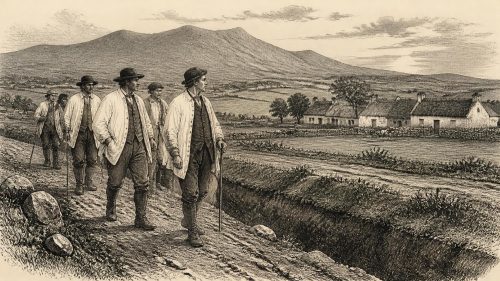
In 1761, George III’s accession prompted Ireland’s first general election since 1727 and a new parliament, where Charles Lucas and other patriots challenged restrictions on legislative control of revenue. Yet the year’s most significant development began in southern Tipperary, where Whiteboys around Ballyporeen resisted enclosures, tithe demands and local exactions through nocturnal, disguised collective action. Initially called Levellers, they established methods later rural movements adopted. Galway’s Protestant corporation sought to restrict Catholic commercial activity through the Black Petition. Meanwhile, the Seven Years’ War brought naval impressment. The year exposed constitutional weakness, confessional exclusion and rural insecurity without producing national rebellion.
Read Article
Archived: 13 October 2026
Abstract
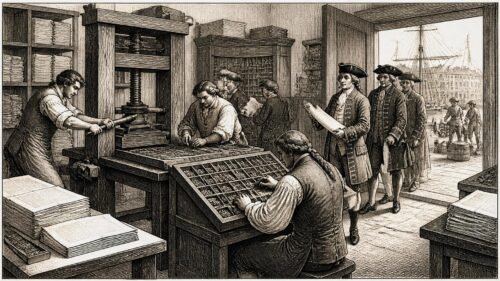
In 1705, Dublin Castle established the Dublin Gazette, printed by Edwin Sandys under official scrutiny, to circulate authorised news and restrain rumour. Ormond’s parliament, meeting from February to June under Queen Anne, imposed consumption duties and regulated tolls, measures, horse theft, debtors and mineral property amid wartime pressures. It strengthened penal supervision of Catholic clergy, restricting unregistered priests while the established Church of Ireland retained political privilege. Westminster permitted direct exports of specified Irish linen to English American plantations, encouraging linen while preserving English commercial control. Together, these measures expanded Protestant government through taxation, surveillance, economic regulation and controlled publicity.
Read Article





