Archived: 20 October 2026
Abstract
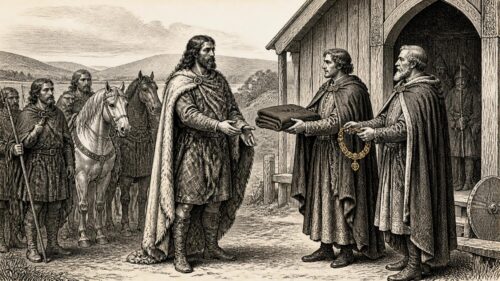
In 1463, Ireland’s political geography was not governed from a single centre. The lordship claimed by Edward IV had institutions, courts, ports and mints, but its effective reach was uneven. Beyond and across the English-controlled districts, Gaelic and Gaelicised dynasties exercised authority through kinship, clientship, tribute, military followings and negotiated alliances. The year’s surviving records are especially rich in such local dealings. They do not describe one national crisis; rather, they reveal an island linked by gifts, cattle-raids, ransoms, church offices, coinage and the movement of armed men.Most events below come from annals compiled within learned Irish traditions. Annalists normally
Read Article
Archived: 20 October 2026
Abstract
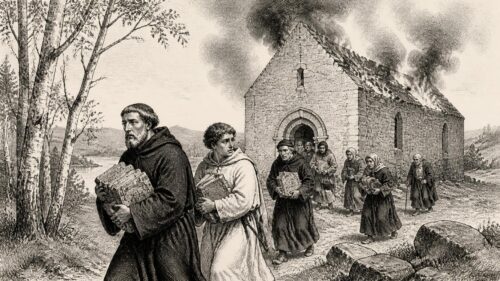
In 1458, Ireland’s overlapping Gaelic, Anglo-Irish and ecclesiastical jurisdictions were reshaped by warfare, deaths and contested authority. Henry Ó Néill, Ó Domhnaill and Mag Uidhir raided Connacht, taking hostages and burning Ó Ruairc’s settlement at Druim-da-thigher. Tomaltach Mac Diarmata, Calbach Mór Ó Conchobair Failghe and Edmund na Féasóige de Búrca died, prompting successions in Moylurg, Offaly and Lower Connacht. Their obituaries emphasised hospitality, patronage and military power. At Aghavea, a church fire destroyed many manuscripts belonging to an ecclesiastical official. Thomas Barrett’s papal provision to Annaghdown provoked resistance, illustrating Rome’s and Dublin’s limited practical reach across the island in practice.
Read Article
Archived: 20 October 2026
Abstract
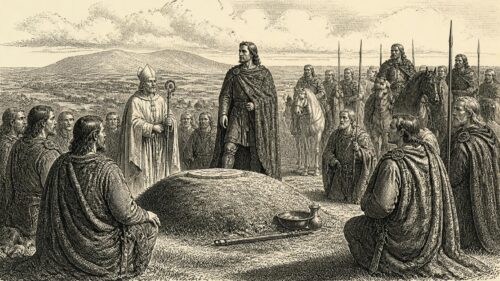
In 1455 Henry O’Neill was inaugurated at Tullyhogue as king over Ulster, backed by allied lords and Armagh’s ecclesiastical leader, although his father remained alive and dynastic conflict persisted. Elsewhere, Philip Maguire’s forces raided east Breifne, burning settlements, killing rivals and capturing a crannog, demonstrating mobile lordly warfare. Annals also recorded deaths among ruling, clerical and learned families, revealing networks of status, hospitality and service. At Navan, Abbot John Bole granted a Pentecost indulgence supporting religious observance and monastic repair. In Connacht, a lord was killed by his own men. These events illustrate Ireland’s multiple, localised and precarious political worlds.
Read Article
Archived: 21 October 2026
Abstract
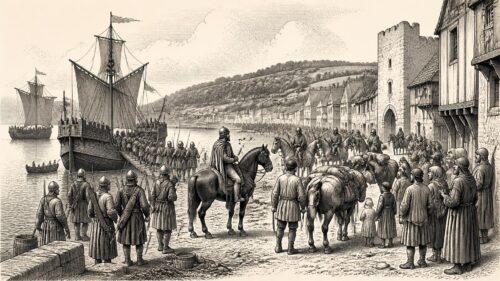
In 1399 Richard II landed at Waterford to subdue Art Mac Murchadha Caomhánach, whose Leinster forces avoided pitched battle, strained royal supplies and prevented a settlement. The expedition exposed the limited reach of English lordship beyond defended centres. While Richard campaigned, conflicts continued in Connacht and Ulster, and John fitz Gerald, earl of Desmond, drowned amid a Munster feud, leaving a minor heir. Annals note deaths of churchmen, rulers and Mac Egan legal scholars. Henry Bolingbroke's English invasion forced Richard’s July departure. Art remained unconquered, and Henry IV’s accession by September ended Richard’s reign, leaving Irish divisions and weakness unresolved.
Read Article





