Archived: 12 October 2026
Abstract
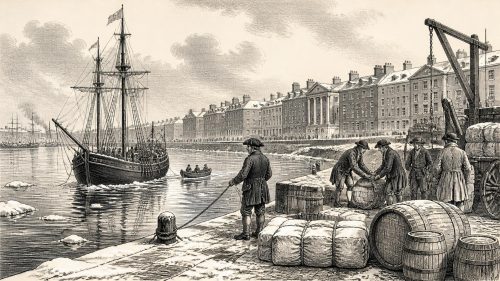
In 1770, Ireland was governed during Parliament’s prorogation as Lord Townshend used patronage to weaken parliamentary undertakers and strengthen Dublin Castle. Westminster sustained bounties supporting Irish linen, while the Dublin Society promoted economic improvement. Quarantine regulations monitored shipping routes and goods amid fears of plague. In December, authorities embargoed provision-laden vessels, reflecting concern over supplies without proving famine; butter received exemption in 1771. Catholic and Presbyterian exclusion, landlord power and dependence on agriculture and exports persisted. Trinity’s College Historical Society began meeting, while Burke and Goldsmith published works. The year reveals an unequal kingdom managed through law, commerce and patronage.
Read Article
Archived: 12 October 2026
Abstract
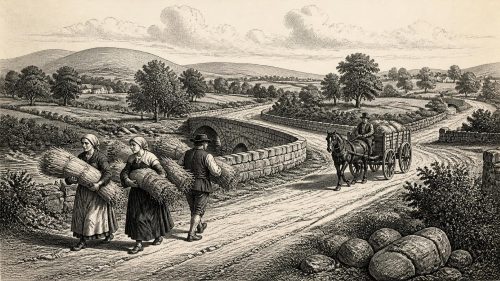
In 1764, Ireland's Protestant-led parliament enacted wide-ranging legislation on linen, fisheries, roads, urban regulation, prisons, trade and public order. Measures promoted manufacture, navigation and turnpikes while regulating coal, food, markets, charitable gifts and civic administration. Linen exports demonstrated economic importance but also dependence on imperial constraints. Acts concerning land burning, salmon, tithes, Protestant property and riots reflected rural conflict, environmental pressures and the continuing Whiteboy movement. Government operated through Dublin Castle, Lord Lieutenant Northumberland and powerful undertakers, as George Stone and Henry Boyle died. Cultural developments included Old Moore's Almanac, William Ashford's arrival, and births of Emmet, O'Conor and Hope.
Read Article
Archived: 13 October 2026
Abstract
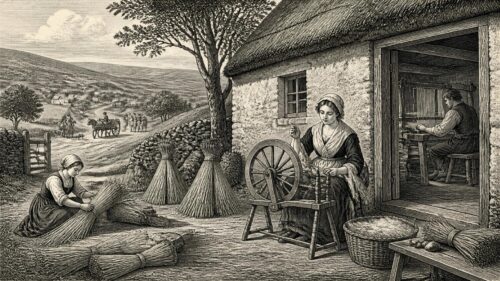
In 1711, Ireland experienced political division, legal persecution, economic initiative and insecurity. Under Queen Anne’s Tory administration, Lord Lieutenant Ormond and Lord Chancellor Phipps reshaped offices, while Dublin’s disputed mayoral succession exposed conflict between Castle authority and civic self-government. At Carrickfergus, eight Islandmagee women, and later William Sellor, were convicted of witchcraft, Ireland’s last known proceedings under the statute. Parliament appointed trustees for linen and hemp manufacture, formalising state support for an expanding export industry. Wartime proclamations addressed naval recruitment, privateers and quarantine. Late-year orders against cattle houghing, alongside Catholic disarmament, reflected rural conflict, property fears and confessional security policies.
Read Article





