Archived: 10 October 2026
Abstract
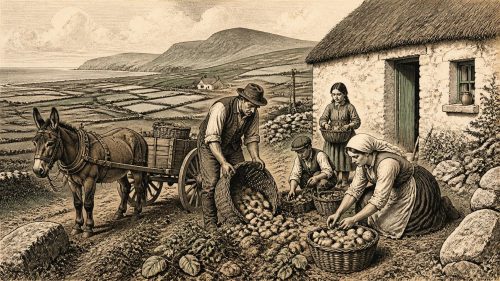
In 1877, Charles Stewart Parnell and Joseph Gillis Biggar used prolonged Commons obstruction to challenge Westminster’s neglect of Irish concerns, weakening Isaac Butt’s constitutional leadership. A poor potato harvest and falling agricultural prices increased hardship among tenants, especially in western districts, foreshadowing but not yet constituting the Land War. Dublin saw centralising prison reform, creation of the Science and Art Museum, and medical licences for Sophia Jex-Blake, Mary Edith Pechey and Louisa Atkins. Dom Pedro II of Brazil toured Ireland, highlighting international connections. Meanwhile, the Ballymena and Larne Railway opened goods traffic, illustrating uneven regional economic development within Ireland clearly.
Read Article
Archived: 11 October 2026
Abstract
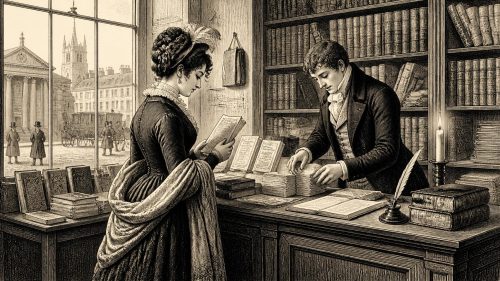
In 1806, five years after the Union, Ireland was governed increasingly through Westminster, while Catholic emancipation remained unrealised despite Lord Grenville’s sympathetic ministry. The United Kingdom election returned Irish MPs through restricted, patronage-driven constituencies, and wartime administration integrated Irish finance, trade and defence into imperial structures. Legislation regulated butter exports, excise, and charitable hospitals, illustrating expanding state oversight without comprehensive poor relief. Coastal defences reflected continuing fear of French invasion. Dublin retained elite social importance, marked by Arthur Wellesley’s marriage. Literary publishing proved significant: Sydney Owenson’s The Wild Irish Girl articulated Gaelic cultural survival, alongside satire and Ulster vernacular verse.
Read Article
Archived: 11 October 2026
Abstract
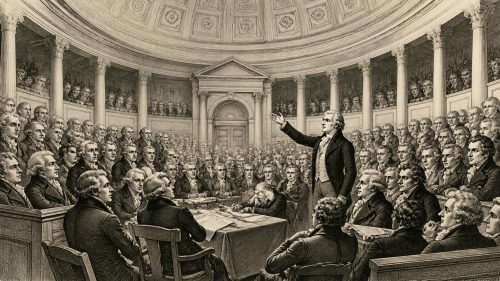
In 1800, Ireland remained a separate kingdom with its own parliament, courts and administration, but the Acts of Union passed in Dublin and London, ending its legislature from 1 January 1801. Cornwallis and Castlereagh secured support amid patronage, compensation and opposition led by Henry Grattan. The Union transferred limited Irish representation to Westminster, preserved the established Protestant church, and left Catholic emancipation unresolved. Post-rebellion repression continued, including Roddy McCorley’s execution, while food scarcity prompted controls on distilling and exports. Parliament also regulated trade, institutions and local improvements. Dublin retained political activity yet faced loss of its resident legislature and disruption.
Read Article
Archived: 12 October 2026
Abstract
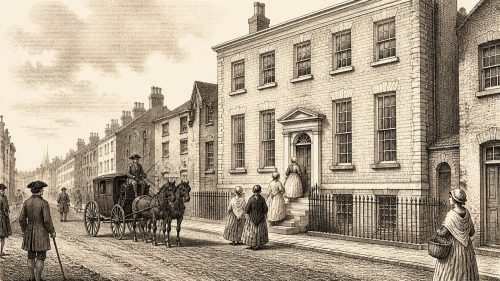
In 1765, Ireland’s contrasting institutions exposed mid-Georgian inequalities and efforts at control. Francis Seymour-Conway, earl of Hertford, became lord lieutenant as ministers sought resident rule, while parliamentary debates over septennial parliaments and grain exports revealed Ireland’s restricted autonomy under Poynings’ Law. The Whiteboy movement’s aftermath prompted coercive legislation, though the Whiteboy Act received assent only in 1766, reflecting conflicts over land, tithes and subsistence. In Dublin, Lady Arabella Denny founded the Magdalen Asylum for unmarried mothers and other stigmatised women, combining relief with discipline. In County Antrim, Gracehill’s Moravian church and Sisters’ House embodied ordered, transnational religious community in Ireland.
Read Article

Archived: 14 October 2026
Abstract
In 1664, Restoration Ireland was reshaped through administrative and cultural initiatives rather than decisive events. Dublin Corporation divided the marshy St Stephen’s Green common into ninety-six building plots, retaining a reduced central green to generate revenue. Land settlement negotiations continued without resolution, as Ormond and rival claimants sought to reconcile confiscated estates; legislation followed in 1665. Londonderry Corporation gained responsibility for its Foyle port, while Portmore Castle symbolised elite estate improvement in Antrim. Sir James Ware published Latin annals of Ireland, and Roger Boyle’s plays reached London. These developments strengthened corporate and proprietary control amid Protestant ascendancy and Catholic exclusion.
Read Article




