
Archived: 10 October 2026
Abstract
In 1870, Irish politics increasingly moved from Fenian insurrection towards constitutional campaigning, though prisoner amnesty remained contentious. Isaac Butt founded the Home Government Association at Bilton’s Hotel, uniting disparate interests behind a federal-style Irish legislature within the Crown and empire. Gladstone’s Landlord and Tenant (Ireland) Act recognised Ulster custom, improvements and eviction compensation, but neither secured fair rents nor ownership. Church of Ireland disestablishment, legislated in 1869, awaited implementation in 1871, while its Representative Church Body was established. Emigration, infant mortality, literacy and livestock farming highlighted pressures. The year transformed methods and principles without settling Ireland’s land or religious questions.
Read Article

Archived: 10 October 2026
Abstract
In 1860, Ireland remained shaped by post-Famine population loss, insecure rural tenancies and religious division. Deasy’s Act recast landlord–tenant relations as contractual, consolidating rules while failing to secure customary tenant-right or resolve ownership of improvements. Census legislation prepared a detailed 1861 enumeration, though household returns were later destroyed. Education expanded but attendance and progression remained limited, amid denominational conflict. Sectarian disturbances in Ulster prompted restrictions on party emblems and renewal of coercive policing. Railways, coaches, ports and emigration strengthened internal and Atlantic links, while the Irish Republican Brotherhood stayed clandestine. Boucicault’s The Colleen Bawn popularised a commercial theatrical Ireland abroad.
Read Article
Archived: 10 October 2026
Abstract
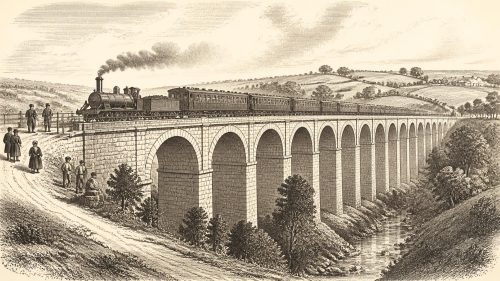
In 1852, post-Famine Ireland remained shaped by depopulation, emigration, poor-law hardship, estate sales and rural insecurity. William Sharman Crawford’s Tenant Right Bill sought recognition of Ulster custom, compensation for improvements and limits on eviction, but failed despite sustained Commons debate. The Tenant Right League united Catholic, Presbyterian and nationalist reformers, securing forty-eight pledged MPs in the July election, though its unity remained fragile. Derby’s government introduced further land bills in November, but fell before settlement. Meanwhile, Craigmore Viaduct opened the Belfast–Dublin route, symbolising industrial investment. Belfast’s British Association meeting also highlighted worsening urban sanitary conditions amid Ireland’s uneven post-Famine transformation.
Read Article




