
Archived: 14 October 2026
Abstract
In 1685 James II’s accession raised Catholic hopes and Protestant fears in Ireland, although laws and land settlements remained unchanged. Richard Talbot, created earl of Tyrconnell, gained authority to reshape the army, admitting Catholic officers and weakening the exclusively Protestant military establishment. Security measures in Ulster coincided with tensions over religion, land and memories of 1641. Henry Hyde, earl of Clarendon, was appointed lord lieutenant, signalling divided governance. Economic life continued amid political uncertainty. Cultural developments included publication of Bedell’s Irish Old Testament, the first Irish newspaper, and Ó Flaithbheartaigh’s Ogygia. Francis Harold’s death in Rome reflected continental Catholic networks.
Read Article

Archived: 16 October 2026
Abstract
In 1634, Thomas Wentworth convened Charles I’s first Irish parliament, tightly managing elections, procedure and debate from Dublin Castle. Parliament unanimously granted six subsidies, expecting enactment of the Graces, concessions sought by Catholic and Old English elites, especially secure land titles. Wentworth subsequently refused the crucial land-security measure, confirming that revenue did not purchase limits on royal power. He also constrained parliamentary action over Sir Vincent Gookin’s inflammatory letter. Church convocation adopted the English Thirty-Nine Articles under pressure, advancing conformity despite resistance. Meanwhile, Geoffrey Keating completed Irish-language history; customs, trade and emigration to Spanish Flanders linked Ireland to Stuart Europe.
Read Article
Archived: 16 October 2026
Abstract
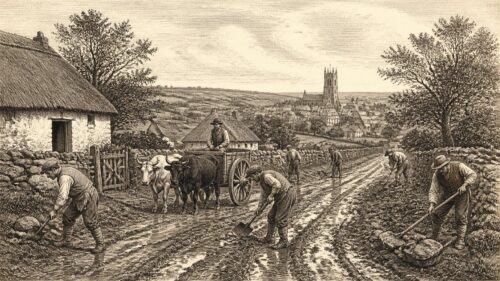
In 1614, James I’s government consolidated authority in Ireland through parliamentary management, anti-Catholic proclamations, trade regulation and parish responsibility for roads. Catholic representatives were rebuffed over the 1613 parliament’s new boroughs and religious exclusions, while priests and Jesuits faced expulsion orders. Yet Catholic organisation persisted: the Kilkenny synod reinforced Tridentine discipline and pastoral provision. Ulster Plantation reached a financial milestone when undertakers’ rents became due, accelerating changes in landholding, settlement and power. Deaths of William Bathe, Bonaventure O’Hussey and Thomas Butler, tenth earl of Ormond, highlighted transnational Catholic culture, Gaelic learning and the importance of aristocratic inheritance amid deepening divisions.
Read Article
Archived: 17 October 2026
Abstract
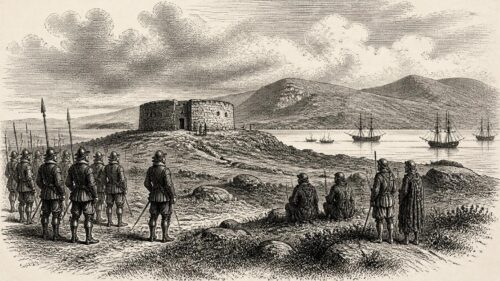
In 1580, the Second Desmond Rebellion widened into a multi-regional and international crisis. Pelham and Ormond's destructive Munster campaigns captured Carrigafoyle, using artillery, naval power and scorched-earth tactics that disrupted food supplies and rural life. In Leinster, Baltinglass joined Fiach MacHugh O'Byrne's revolt, and Grey's army suffered defeat at Glenmalure. A papal-backed Spanish and Italian force landed at Smerwick but surrendered after siege; 500–600 defenders were massacred. Arrests, executions and raids deepened fear. Although Crown forces demonstrated formidable reach, Desmond and Leinster rebels remained active, while warfare inflicted growing social devastation. The year left Ireland unpacified, divided and increasingly impoverished.
Read Article





