Archived: 26 September 2026
Abstract
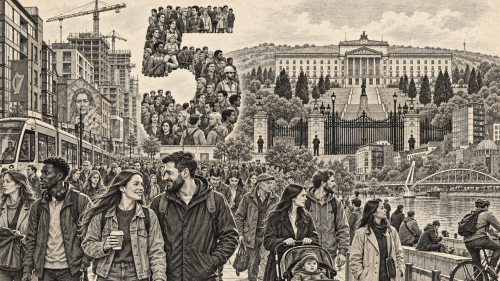
In 2022, Ireland lifted most Covid restrictions, restoring public life while health services retained pandemic pressures. Russia’s invasion of Ukraine brought sanctions, temporary protection and more than 64,000 arrivals, intensifying housing shortages and inflation; government introduced energy and welfare supports. Census results recorded 5,123,536 residents, the first population above five million since 1851. Housing, homelessness and maternity-hospital governance remained contentious. Sinn Féin became Northern Ireland’s largest Assembly party, but DUP opposition to the Protocol prevented an Executive. Ireland experienced its warmest recorded year, set emissions ceilings, marked cultural and revolutionary centenaries, and completed the orderly Martin-Varadkar Taoiseach rotation in December.
Read Article

Archived: 26 September 2026
Abstract
In 2021, Ireland emerged unevenly from COVID-19 restrictions as vaccination expanded, COVID passes enabled reopening, and Omicron prompted renewed limits. A cyberattack on the Health Service Executive exposed institutional strain and pandemic inequalities. Publication of the Mother and Baby Homes report and the State apology intensified disputes over redress, records and Tuam. Brexit’s Northern Ireland Protocol fuelled loyalist unrest and Democratic Unionist Party leadership turmoil. Housing shortages prompted Housing for All, while climate legislation, corporate-tax reform and Security Council work shaped policy. Treaty centenary commemorations highlighted partition and civil-war legacies, underscoring recovery’s social, constitutional and international dimensions across the island.
Read Article

Archived: 26 September 2026
Abstract
In 2020, Ireland experienced political realignment, pandemic emergency and Brexit transition. February’s inconclusive election saw Sinn Féin lead first-preference votes, Fianna Fáil win most seats, and caretaker Taoiseach Leo Varadkar govern until Fianna Fáil, Fine Gael and Greens formed an unprecedented coalition under Micheál Martin in June. COVID-19 transformed daily life: closures, lockdowns, the two-kilometre exercise rule, remote work and restricted funerals accompanied 1,928 deaths. Schools adopted remote teaching and calculated Leaving Certificate grades; emergency payments addressed severe job losses amid housing pressure. Northern Ireland restored devolution; Brexit ended in EU-UK trade agreement; Ireland returned to Level 5 awaiting vaccination.
Read Article
Archived: 26 September 2026
Abstract
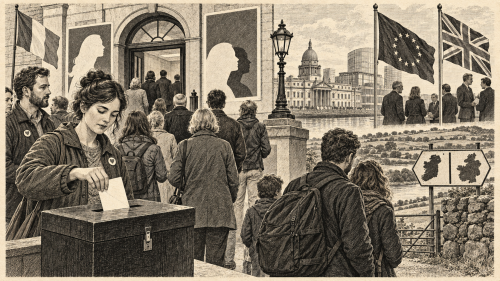
In 2018, Ireland experienced major constitutional, social and political change amid economic growth and persistent inequality. In May, voters repealed the Eighth Amendment by 66.4 per cent, enabling legislation for abortion services from 2019; October also removed blasphemy from the Constitution and returned Michael D. Higgins as President. Brexit negotiations centred on an Irish border backstop, while Northern Ireland remained without devolved government. Housing shortages and homelessness intensified despite Project Ireland 2040 and new development initiatives. Pope Francis’s visit highlighted abuse-related criticism of the Church. Alcohol legislation, broadband planning and severe autumn storms further shaped a consequential, unresolved national year.
Read Article

Archived: 26 September 2026
Abstract
In 2004, Ireland’s EU Presidency culminated in Phoenix Park’s welcome for ten new member states and agreement on a proposed European constitution. At home, prosperity, migration and infrastructure expansion reshaped society: Dublin’s Luas lines opened, while a workplace smoking ban transformed pubs and other enclosed venues. Voters approved the Twenty-seventh Amendment, ending unconditional birthright citizenship and leading to new nationality legislation. Elections strengthened Fine Gael and gave Sinn Féin its first European seat. Diarmuid Martin became Archbishop of Dublin, and Scouting Ireland formed. Northern Ireland’s institutions remained suspended; failed talks, paramilitary concerns and the Northern Bank robbery further deepened mistrust.
Read Article
Archived: 8 October 2026
Abstract
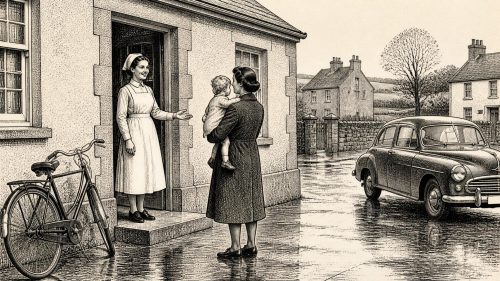
In 1950, Ireland combined republican independence with economic dependence on Britain, persistent poverty, emigration and partition. Dr Noël Browne’s June memorandum proposing free healthcare for mothers and children exposed conflict between universal welfare, medical interests, Catholic authority and parental rights, foreshadowing his 1951 resignation. Tuberculosis remained severe despite expanded State treatment. Legislation reorganised social welfare, improved agricultural workers’ rights, addressed housing, and strengthened transport and industrial development. Ireland appointed its first ambassador to London and signed the European Convention on Human Rights. Cultural events included Alfred Chester Beatty’s arrival and George Bernard Shaw’s death. Social and economic problems remained unresolved.
Read Article
Archived: 10 October 2026
Abstract
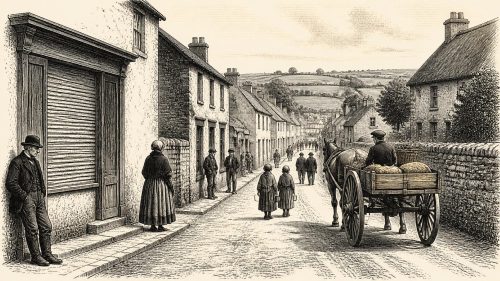
In 1878, Ireland faced mounting tensions before the Land War. Lord Leitrim, notorious among tenants, was killed with two companions in Donegal, highlighting grievances over eviction and insecure tenure. Agricultural depression, poor harvests, emigration and severe disease increased hardship, though conditions varied regionally. The Public Health (Ireland) Act strengthened sanitary administration amid high mortality. The Intermediate Education Act created examination-based support for secondary schooling, including potential provision for girls. Sunday licensing restrictions reshaped social life, with urban exemptions. Politically, Isaac Butt weakened as Charles Stewart Parnell advanced tenant-rights agitation and contacts associated with the emerging New Departure in Irish politics.
Read Article




