Archived: 19 October 2026
Abstract
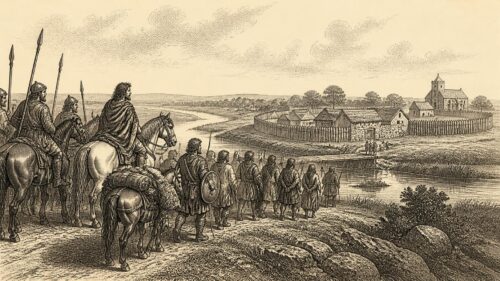
In 1469, Irish annals record struggles for lordship, wealth and security rather than a unified political order. Aodh Ruadh Ó Domhnaill secured hostages in Lower Connacht, allied with the newly installed Mac William Burke, and burned Claregalway and neighbouring territory during a campaign against Clanricarde, partly revenging 1467. Uí Maine faced disputed succession after Aodh Ó Cellaigh’s murder; Maguire kindreds fought destructive raids in Fermanagh; and the Whites expelled the Savages from Lecale. Death notices for a harpist, historian-hosteller and ecclesiastical coarb illuminate cultural institutions. Violence, alliance, kinship, hostages and resources shaped lordship, while ordinary people remained invisible in sources.
Read Article

Archived: 19 October 2026
Abstract
In 1468, Thomas FitzGerald, earl of Desmond and former deputy of Ireland, was beheaded at Drogheda after arrest by John Tiptoft’s administration, provoking widespread condemnation and retaliatory raids. His execution exposed the fragility of crown authority beyond Dublin and the Pale. Tiptoft’s forces also burned Cavan and its Franciscan monastery. Elsewhere, disputed successions, raids, cattle seizures and warfare convulsed Connacht and Ulster, damaging crops and communities. Annals recorded deaths of lords, churchmen and the historian-poet Torna Ó Maolconaire, emphasising hospitality, learning and religious observance. The year revealed Ireland’s deeply fragmented political order, sustained by often unstable alliances, lordship and coercion.
Read Article
Archived: 20 October 2026
Abstract
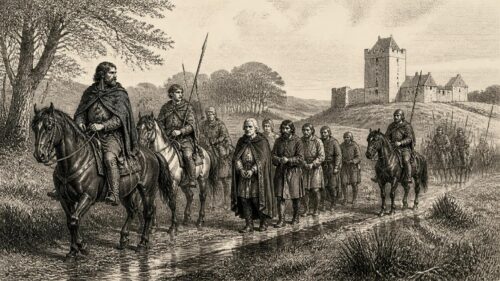
In 1466, Conn Ó Conchobhair Fáilghe defeated the lordship’s Meath and Leinster expedition in Uí Fhailí, capturing Deputy Earl Thomas FitzGerald of Desmond before Dublin men rescued him from Carbury. The defeat enabled raids and strengthened Tadhg Ó Briain of Thomond, who extracted concessions from Desmond and Limerick, but died later that year. Warfare also affected Oriel and Connacht, where rival lordships used alliances, hostages, cattle and tribute to maintain power. Plague struck Dublin, Meath and Leinster, while fire damaged Holy Trinity Abbey on Lough Key. Deaths of rulers, clergy and learned men illustrated Ireland’s precarious, locally negotiated political order.
Read Article

Archived: 20 October 2026
Abstract
In 1465, Ireland experienced severe frost, snow and delayed spring growth, causing acute scarcity, especially recorded in Connacht. Political instability compounded hardship as Ó Conchobair and Mac Diarmata successions provoked battles, killings, raids and disputed lordships. Elsewhere, family conflict and territorial seizures occurred in Breifne, while dynastic connections and rivalries remained active across Leinster and Ulster. In the English lordship, Earl Desmond governed despite opposition and a proposed replacement, while parliament legislated on security, cultural conformity, maritime regulation and Cork’s finances. Meanwhile, Cormac Láidir MacCárthaig founded Kilcrea Friary, combining Franciscan observance, dynastic commemoration and regional ambition during a troubled year.
Read Article

