Archived: 26 October 2026
Abstract
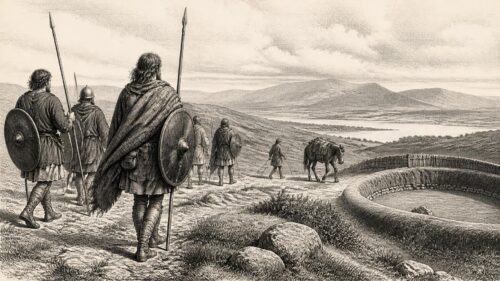
In 973, Conchobar son of Tadc, king of Connacht, died, and his kinsman Cathal was killed almost immediately after succeeding him at Céis Chorainn. Murchad ua Flaithbertaig of Ailech defeated Connacht forces, killing Géibennach of Uí Maine and others, then plundering the province. The chronology varies among annals, but Inisfallen assigns events to 973. In Munster, Dub dá Leithe of Armagh secured Patrick’s church’s levy after Mathgamain mediated with Emly’s coarb. Ecclesiastical deaths included leaders of Durrow, Clonard and Glendalough, and the anchorite Cinaed of Clonfert, demonstrating Ireland’s interconnected political and religious communities, while records leave ordinary people’s experiences unreported.
Read Article
Archived: 26 October 2026
Abstract
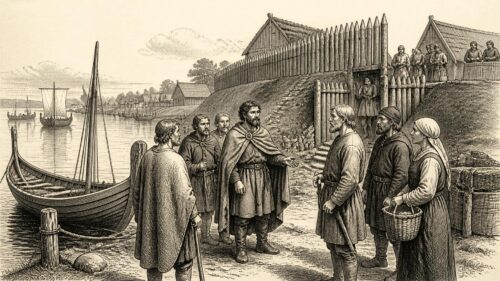
In 972, Mathgamain son of Cennétig led a Munster coalition that imposed three ordinances on Limerick: expelling Norse officials, driving foreigners from the town, and burning their fortress. The action transferred control of a strategic commercial centre without ending Scandinavian influence. Elsewhere, Domnall Claen treacherously killed Murchad, overking of Leinster; Áed of Ulaid died in battle against Dál nAraide; and Domnall Ua Néill burned and plundered major churches. Tuathal, abbot of Clonmacnoise, died. These events demonstrate Ireland’s fragmented politics, where dynastic rivalry, alliances, military force, resources, routes and ecclesiastical institutions shaped contested regional power, although annalistic dating requires careful interpretation.
Read Article
Archived: 26 October 2026
Abstract
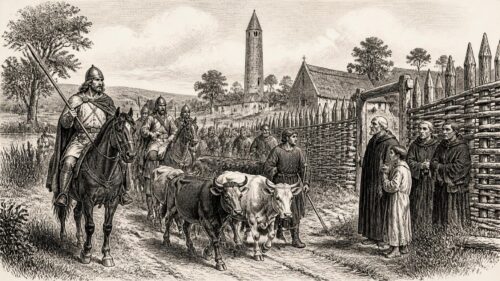
In 970, annalistic evidence records conflict across northern and midland Ireland. Amlaíb Cuarán of Dublin and Domnall mac Congalaig of Brega defeated Domnall ua Néill, king of Tara, at Cell Móna, where several regional kings died. Amlaíb had earlier raided Kells with foreigners and Leinster allies, seizing cattle and defeating Uí Néill forces. Campaigning also brought atrocities: Ardgar of Ulaid sacked Conaire, while Domnall ua Néill retaliated by attacking Louth monasteries, including Lann Léire, where hundreds were burned. The sources reveal shifting alliances, Dublin’s political influence, ecclesiastical wealth’s strategic importance, and warfare’s devastating effects on communities amid uncertain annalistic dating.
Read Article

