Membership is completely free, giving members unlimited access to all available resources, services, features, and benefits without any restrictions or fees.
Welcome back. Sign in to continue enjoying unlimited access to all available resources, services, features, and member benefits at no cost.
Lord Falkland had left Ireland in October 1629, leaving the administration in the hands of Adam Loftus, viscount Loftus of Ely and lord chancellor, and Richard Boyle, earl of Cork and lord high treasurer. Their joint rule continued throughout 1630. This was an awkward arrangement rather than a settled constitutional solution. Both men were enormously well connected, wealthy and ambitious; both represented the Protestant governing interest; but they had different allies and competing priorities. The absence of a resident lord deputy gave their decisions particular weight, while also making the character of government less coherent than it would become under Thomas Wentworth in 1633.
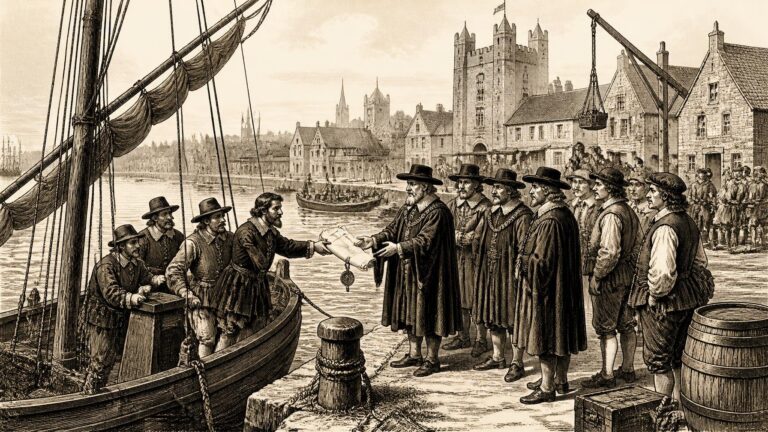
On 26 May 1626 Charles I issued Waterford with a new charter, restoring privileges which the city had lost under James I. Waterford’s earlier charter had been taken into royal hands after the city’s leading officers repeatedly refused the oath of supremacy, the oath which acknowledged the monarch rather than the pope as head of the church. From 1618, the loss of the charter had meant an unsettled municipal administration and a sharp reminder that corporate self-government could be made conditional upon religious conformity.
The transition began before Falkland reached Ireland. Oliver St John, Lord Deputy since 1616, had been recalled in February 1622 amid mounting criticism of Irish government. He surrendered the sword of state in April and departed in May. Between May and September the kingdom was governed by two lords justices, Adam Loftus, lord chancellor, and Richard Wingfield, Viscount Powerscourt and marshal of Ireland. This was not a vacuum of power: the Dublin administration, courts, revenue offices and provincial presidencies continued to function. Yet it was an interval in which the Crown was plainly reassessing how Ireland had been governed and whether its money and policies had achieved their stated purposes.