Archived: 26 September 2026
Abstract
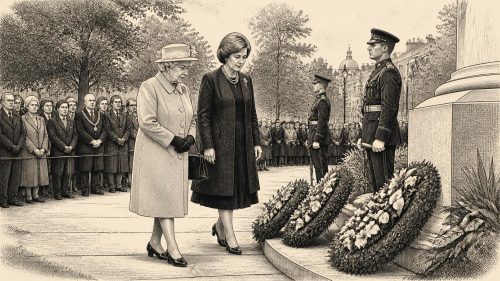
In 2011, Ireland underwent political, economic and social upheaval. Fine Gael and Labour replaced Fianna Fáil after an election dominated by the banking crisis, EU–IMF programme, austerity, unemployment and emigration. Census 2011 recorded a growing, increasingly diverse population. Civil partnership commenced, extending legal recognition to same-sex couples. Queen Elizabeth II’s State visit, including Croke Park, and Barack Obama’s visit to Moneygall symbolised reconciliation and international connection, although dissident violence persisted in Northern Ireland. The Cloyne report exposed grave failures over clerical abuse allegations, damaging institutional trust. Michael D. Higgins became President, promising ethical citizenship and solidarity amid continuing national hardship.
Read Article
Archived: 26 September 2026
Abstract
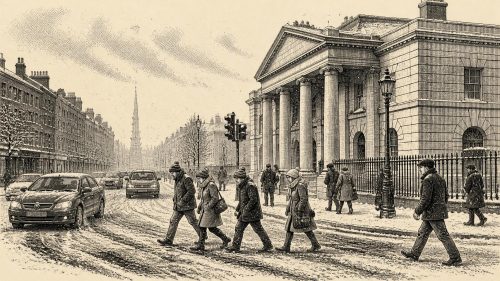
Ireland faced financial collapse as bank rescues, NAMA loan transfers, austerity and unemployment eroded confidence. In November, the Government sought an €85 billion EU–IMF assistance programme, followed by Budget 2011 cuts and taxes. Emigration rose sharply amid household insecurity. Civil partnership legislation recognised same-sex couples, while clerical-abuse revelations sustained scrutiny of Church authority. In Northern Ireland, policing and justice powers devolved, and the Saville report found Bloody Sunday killings unjustified, prompting Britain’s apology. Improving Anglo-Irish relations included plans for a royal visit. Tipperary and Cork won All-Ireland titles, while severe December cold disrupted life nationwide and severely strained public services.
Read Article

Archived: 26 September 2026
Abstract
In 2003, Ireland debated neutrality as United States forces continued using Shannon Airport during the Iraq invasion, prompting protests, parliamentary conflict and an unsuccessful legal challenge. Northern Ireland’s devolved institutions remained suspended despite British-Irish initiatives and IRA decommissioning; November’s election advanced the DUP and Sinn Féin. The Special Olympics World Summer Games, hosted across Ireland, celebrated athletes with intellectual disabilities and volunteering, while Tyrone won an Ulster all-Ireland final. Slowing Celtic Tiger growth nevertheless brought housing construction, immigration and pressure on services. Government plans for smoking restrictions provoked debate, and the Derrybrien peat slide exposed risks associated with wind-energy development.
Read Article
Archived: 9 October 2026
Abstract
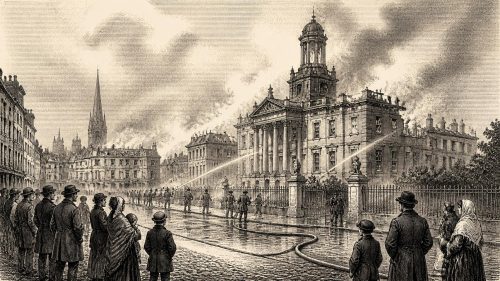
In 1920, Ireland’s political crisis widened into conflict across elections, workplaces, civic institutions and homes. Sinn Féin and Labour gained local authority, helping Dáil Éireann establish parallel courts, finance and propaganda, while Britain answered with emergency powers, troops, Black and Tans and Auxiliaries. IRA attacks, reprisals and executions, including Kevin Barry’s, intensified war. Cork symbolised the crisis through Tomás MacCurtain’s murder, Terence MacSwiney’s hunger-strike death and the city’s burning. Bloody Sunday and Kilmichael deepened violence. Labour resistance exposed regional divisions. Sectarian expulsions in Belfast accompanied the Government of Ireland Act, which legislated partition, shaping the 1921 truce and eventual negotiations.
Read Article

