

Archived: 19 October 2026
Abstract
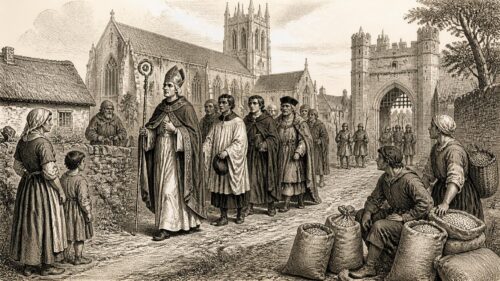
In 1492, Ireland endured famine, disease and conflict amid Henry VII’s attempt to weaken Gerald FitzGerald, earl of Kildare. Suspected because of Yorkist links and Perkin Warbeck’s Cork landing, Kildare was replaced in government by Archbishop Walter Fitzsimons and Sir James Ormond. The changes intensified rivalries across the Pale, Leinster, the midlands and East Breifne, where Gaelic and Anglo-Irish lords fought, raided and contested succession. Poor weather damaged grain before famine; a hot summer and sweating sickness compounded insecurity. Ulster saw truces, killings, imprisonments and raids. Ecclesiastical life continued, while Thaddeus MacCarthy died returning from Rome. Central authority remained fragile.
Read Article
Archived: 24 October 2026
Abstract
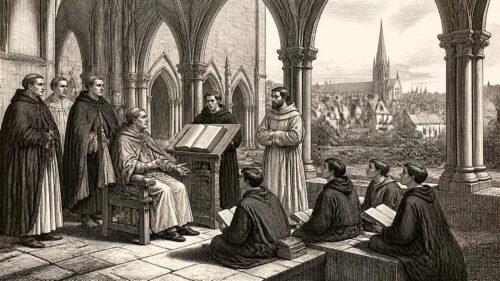
In 1320, Ireland showed contrasting efforts at order and continuing conflict after the Bruce invasion. Archbishop Alexander de Bicknor established statutes for a studium generale at St Patrick’s Cathedral, appointing teachers and a chancellor to promote theology and canon law, while strengthening ecclesiastical discipline through synodal measures. Roger Mortimer’s Dublin parliament reaffirmed English statutes, regulated administration and market measures, and named the earl of Kildare deputy justiciar. Elsewhere, authority remained contested: Cathal Ó Conchobair broke peace with Maelruanaid Mac Diarmata, seizing captives and ravaging Connacht; a Connacht claimant was killed; and Munster’s Ó Briain tanist Mathgamain died violently, unsettling succession.
Read Article