
State Redress
At a Glance
Apology Context
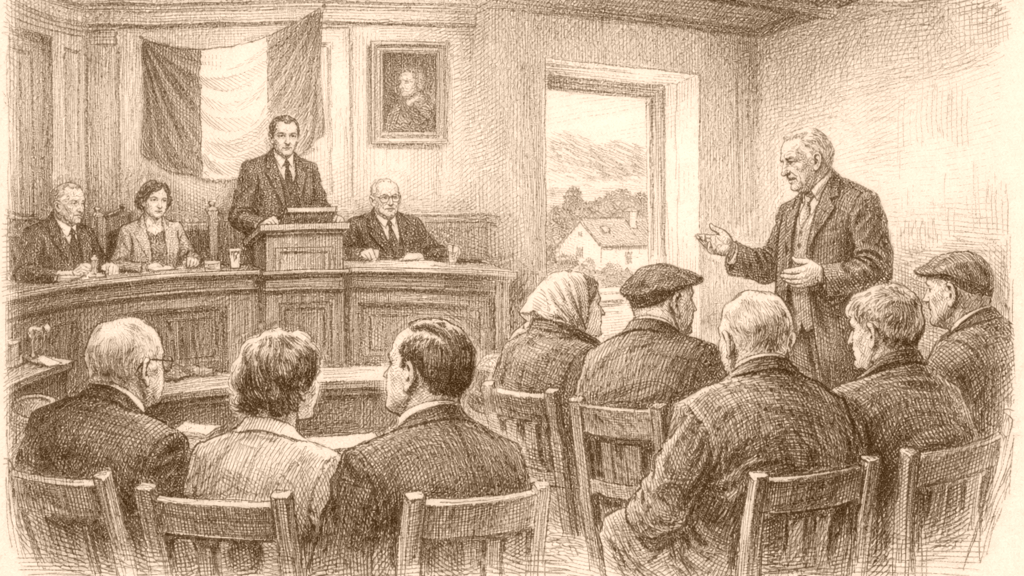
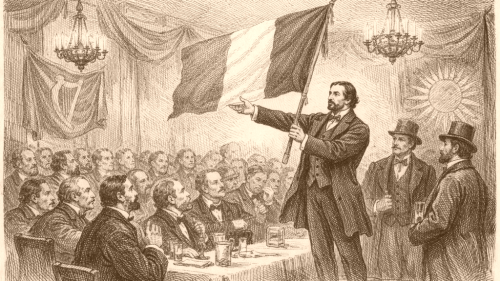
The records show a state apology framed as an official response to abuse in residential institutions. In May 1999, Bertie Ahern apologised on behalf of the Irish people to those who had spent childhoods in institutions run by religious congregations, and the same account states that he also announced the Commission to Inquire into Child Abuse and the Redress Board. The sequence places apology and institutional response together in one moment. [2]
Ahern later described the apology as necessary and said the people affected had been ruined and suffered. He also said he had met survivor groups earlier, including in 1995 and 1996, and that the apology had been prepared before the television series States of Fear, even though the programme was a major public issue. This account presents the apology as connected to prior meetings and preparation rather than a single broadcast event. [2]
Redress Measures
The statutory record confirms that a redress framework was created in 2002. The Irish Statute Book lists the Residential Institutions Redress Act 2002 among the year’s enacted laws, placing it alongside other major legislation of that year. The entry does not by itself describe the contents of the act, but it does show that redress for residential institutions was embodied in legislation rather than left only to a speech or inquiry. [5]
A later statutory amendment in 2019 identifies a separate but related redress scheme for women who worked in Magdalen laundries and lived in adjoining institutions. The amendment defines an addendum to the scheme’s terms and states that the scheme provides ex gratia payments to eligible women. That record shows continuing adjustment of compensation arrangements well after the original scheme had been created. [6]
Committee Oversight
The Oireachtas record shows formal parliamentary scrutiny of the Residential Institutions Redress Scheme in March 2005. The Committee of Public Accounts report identifies its subject as the scheme and sets out sections on the facts, proceedings, accountability issues, examination of issues, and findings and recommendations. This structure indicates that redress was being examined through committee procedure as well as through statute and public apology. [1] [7]
The same committee report sets out the committee’s remit to examine accounts, Comptroller and Auditor General reports, and other matters, and it lists powers to send for persons, papers and records and to take evidence. The report also shows that committee reports were laid before the Dáil and could be printed and published. These passages show the institutional setting in which the redress scheme was reviewed. [1]
State Admissions
The Northern Ireland record offers a close comparison because it also links apology to state failure and institutional abuse. In 2022 ministers told victims that the state had let them down, and the apology was presented alongside a minute’s silence and parallel apologies from institutions that ran facilities where abuse occurred. The passage expressly identifies systemic abuse, sexual abuse, emotional abuse, neglect, and failed oversight. [4]
That same account also records survivors’ reactions and the inquiry recommendation behind the apology. The recommendation included compensation as well as an official apology from government and the organisations involved, while survivors said the apology was too little and too late. The record therefore preserves both the official language of responsibility and the fact that those addressed did not all accept it as sufficient. [4]
Legal Outcomes
The Kerry babies settlement shows another form of state redress through apology and declarations. In 2020 the State apologised to Joanne Hayes and her siblings for their treatment, and the apology formed part of a settlement of damages actions. The court also made declarations that findings against the family were unfounded and incorrect, indicating that redress could include both apology and formal correction of the record. [3]
The same report states that the declarations would be permanently attached to the tribunal report in the Oireachtas library, which the family said would ensure the accuracy of the public record. It also records the court’s description of what happened as a travesty and the family’s statement that the suffering and stress of the ordeal was finally behind them. The emphasis here is on settlement, record, and closure as reported language. [3]
Comparative Scope
Taken together, these records show different but related forms of response: apology, legislation, committee scrutiny, settlement, and public correction. The Irish examples span the 1999 apology, the 2002 redress act, the 2005 committee report, the 2019 amendment to a Magdalen scheme, and the 2020 Kerry babies settlement. The Northern Ireland material adds a later apology and recommended compensation, showing that acknowledgement and redress recur in more than one institutional setting. [2] [3] [4] [5] [6] [7]
What the cited records do not supply is a single unified policy statement explaining all these measures together. Instead, they present separate moments and documents: a state apology, a statutory scheme, a committee report, a later amendment, and a court settlement. The comparison is therefore limited to what the records directly show about apologies and redress, not to any broader claim about the whole history of Irish compensation policy. [1] [2] [3] [4] [5] [6] [7]
Source References
Hover over a number to see the source. Select it to open the source.

- [1] Committee Reports::Report No. 04 - Report into the Residential Institutions Redress Scheme::01 March, 2005::Report
- [2] Bertie Ahern: State’s 1999 apology to abused children was ‘absolutely necessary’ – The Irish Times
- [3] Kerry babies: ‘Suffering of ordeal finally behind us’ – Joanne Hayes – The Irish Times
- [4] ‘The state let you down’: apology issued to NI institutional abuse victims – The Irish Times
- [5] Irish Statute Book
- [6] Redress for Women Resident in Certain Institutions (Amendment) Act 2019, Section 2
- [7] Committee Reports::Alphabetical Index::R



How did Irish state apologies for institutional abuse relate to the creation and administration of redress arrangements in the cases visible in these records?