
Kenova Legacy
At a Glance
Report Context
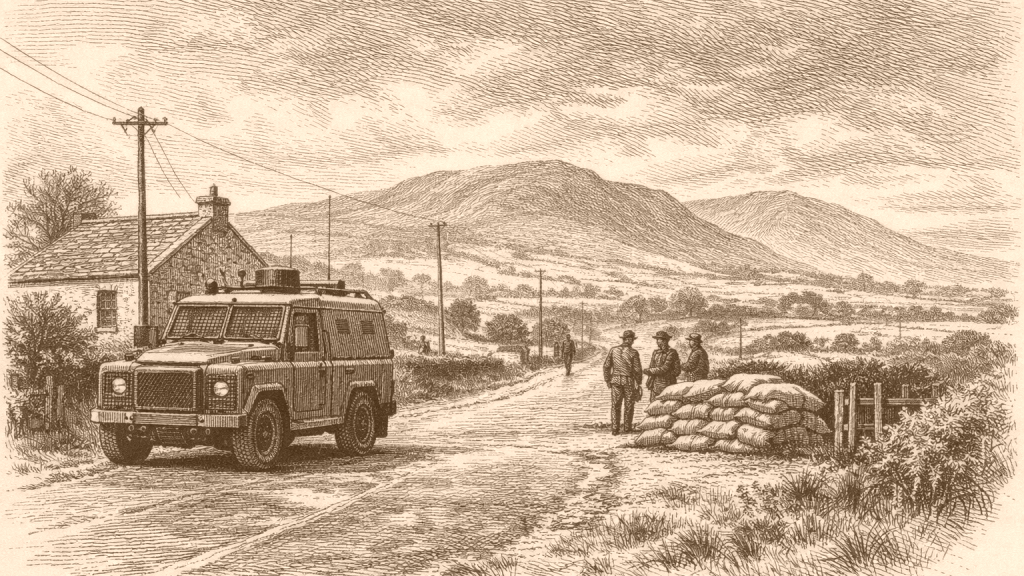
PSNI material presents Operation Kenova as part of Northern Ireland legacy investigations and reviews, with a final report and named connected operations on the same page. The final report says that investigating events from decades ago is extremely complex because evidence can be lost, contaminated, or diminished over time. It also links that difficulty to crimes during the Troubles, where truth-seeking for victims and families is described as especially hard. [1]
The same report says Kenova has shown that this work can be done, while stressing a need for investigative drive and commitment to victims and families. It says the final report captures the experience of Kenova and the issues that arose while pursuing evidence and answers. The report also notes that Sir Iain Livingstone served as Officer in Overall Command for the last two years described there. [1]
Victims Focus
Kenova’s final report states that meetings with victims and families were central to the work, and that many showed dignity and grace despite appalling suffering. It also says that some suffering was compounded by state failures to act legitimately or with empathy and care. These are direct descriptions in the report, not broader judgments from outside it, and they frame the investigation around family experience as well as casework. [1]
The report further says detectives prioritised listening and responding to questions unanswered for decades. It also says that criminal justice outcomes may not always be achievable or desired. The report presents this as part of Kenova’s approach, and then identifies authentic engagement with victims and families as a key factor that distinguishes the project and should inform reformed legacy arrangements. [1]
Disclosure Secrecy
The interim report says high-level themes and issues from Kenova are set out alongside a brief context and history of connected events. It states that governments, public authorities, political parties, and those who fought in the Troubles have failed to acknowledge properly the hurt inflicted on families or to provide meaningful examination of deaths. It also says even uncontroversial information about what happened has been withheld from families. [2]
The same interim report says several previous investigations and inquiries met non-disclosure and secrecy, and that their reports were largely classified as Secret or Top Secret. It also says secrecy fed conspiracy theories and hampered reconciliation. The report describes a vacuum in which families seek information from police, representatives, coroners, civil courts, regulators, and the media when one route fails and another does not answer their questions. [2]
Family Trust
Kenova’s interim report says legacy families will not trust public institutions unless authorities provide truth, acknowledge loss and mistreatment, and give them an opportunity to tell their stories. The wording is direct and prescriptive, but it appears within the report as a stated conclusion rather than a general historical law. In that sense, it records a relationship between disclosure and trust as Kenova saw it. [2]
A Kenova reports page shows how the project also drew on review processes beyond the core investigation. It lists an independent human-rights review by Alyson Kilpatrick, supported by access to the investigation team, families, victims groups, and stakeholders. It also notes a victim focus group review and a separate statement expressing concern about possible effects of UK Government legacy proposals on Kenova and similar investigations. [3]
Government Response
In December 2024, the Secretary of State said legacy work remained incomplete despite the Good Friday Agreement’s aims. He said many families had waited too long for answers and linked that delay to the brutality of killings and the years without findings. He also said the Government would repeal and replace the Legacy Act, remove the immunity scheme, restore civil proceedings, and begin restoring inquests. [5]
The same statement says the Government would change disclosure so that it was fair, transparent, and capable of the greatest possible disclosure, while also strengthening the commission’s independence, powers, and accountability. It explicitly says the Government would consider provisions from the draft Stormont House Agreement legislation and lessons from Operation Kenova. This places Kenova among the practical references shaping later legacy policy. [5]
Policy Change
In December 2025, the Government response to the final report said Kenova had built trust with families, put victims first, and provided many answers about what happened to their loved ones. It also said Operation Turma, part of Kenova, led to the prosecution of one individual, now extradited from Ireland and awaiting trial, for the murder of three RUC officers in 1982. Those are specific outcome claims in the response. [4]
The same response says Kenova sought evidence of criminal offences by the alleged agent known as STEAK KNIFE or by their alleged handlers. It also says the report published high-level findings of Operation Denton, concerning killings carried out by the UVF Glennane Gang and allegations of collusion by individual members of the security forces. Elsewhere, the PSNI page says the final report is set within a wider package of legacy investigations and reviews. [4] [1]
Source References
Hover over a number to see the source. Select it to open the source.

How do the Kenova reports and related government statements describe the investigation of Troubles cases, disclosure, and support for families?