Bagenal Harvey
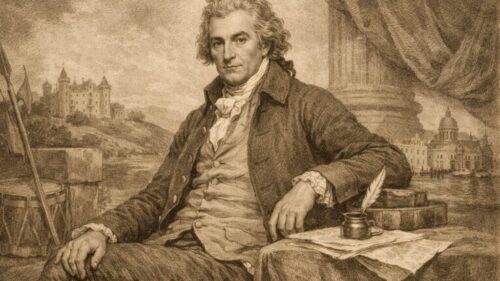
Beauchamp Bagenal Harvey (1762–1798) was the son of Francis Harvey of Bargay Castle, Wexford. He was educated at Trinity College, Dublin, and was called to the bar in 1782. He acquired considerable reputation as a barrister, and promoted the public movements for catholic emancipation and parliamentary reform. After his father’s death in 1792, Harvey inherited estates in Wexford and Waterford with an annual rental of 3,000l. In 1793 he presided as chairman at meetings of the Society of United Irishmen in Dublin. A public meeting in Wexford nominated him in March 1795 to present an address to Earl Fitzwilliam and a petition to the king.
Dateline
Early Life
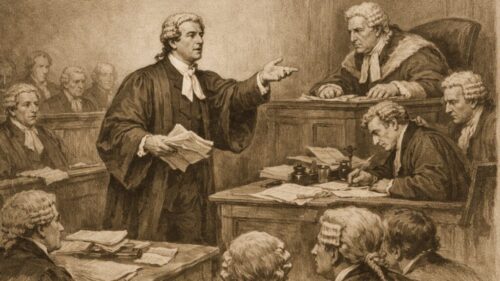
Beauchamp Bagenal Harvey (1762–1798) was the son of Francis Harvey of Bargay Castle, Wexford. He was educated at Trinity College, Dublin, and was called to the bar in 1782. He acquired considerable reputation as a barrister, and promoted the public movements for catholic emancipation and parliamentary reform.
Public Role
After his father’s death in 1792, Harvey inherited estates in Wexford and Waterford with an annual rental of 3,000l. In 1793 he presided as chairman at meetings of the Society of United Irishmen in Dublin. A public meeting in Wexford nominated him in March 1795 to present an address to Earl Fitzwilliam and a petition to the king. Before the Wexford insurrection of 1798, he induced his tenants to give up the arms they had provided themselves.
Rebellion Time
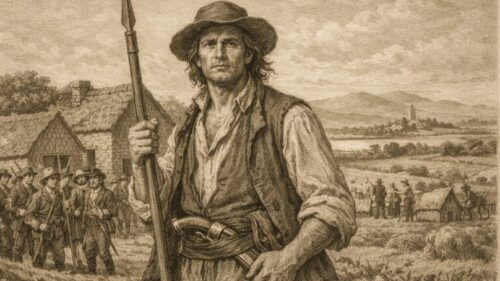
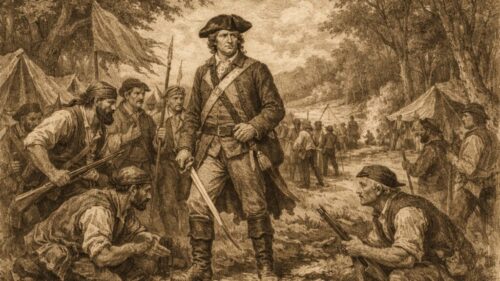
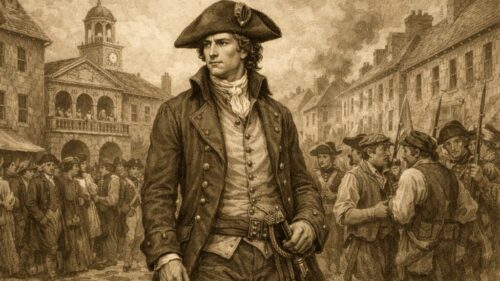
When the government troops evacuated Wexford on 30 May 1798, the insurgent leaders agreed that Harvey should command them in chief. He accepted unwillingly, apprehensive for his own safety and hoping to check excesses. On 5 June he sent a despatch to General Johnson at New Ross demanding the town’s surrender, and on the following day he signed orders summoning men to his camp and prohibiting plunder and excesses on pain of death. After the repulse at Ross, he was deposed from command.
Death Record
Harvey later sought refuge in a cave on a rocky island outside Wexford Harbour. He was arrested there, brought to Wexford, and arraigned before a court-martial with Cornelius Grogan and John Henry Colclough. After an elaborate defence he was sentenced to death and hanged at the bridge of Wexford. The Dictionary of National Biography states that his head, with those of others, was impaled on the bridge. It also states that Harvey left no children and was attainted in July 1798, while his brother was allowed to acquire his property.
Source References
Hover over a number to see the source. Select it to open the source.