Royal Dublin
Queen Victoria arrived in Ireland today for what will become the final Irish visit of her long reign. The royal programme is centred principally upon Dublin, where streets, public buildings, railway approaches and the route towards the Viceregal Lodge have been extensively decorated. Crowds gathered at Kingstown and throughout the capital to witness the arrival and procession. Although Limerick is not included prominently in the itinerary, reports of the ceremonies are being followed closely throughout the city and county by loyalists, nationalists, soldiers’ families, clergy, merchants and political organisations.
The Queen landed at Kingstown before travelling through Dublin in an open carriage accompanied by members of the royal household, military officers and senior representatives of the administration. Decorative arches, garlands, flags and greenery transformed the principal streets, while balconies and windows were filled with spectators. Authorities have arranged receptions, military displays, institutional visits and a large gathering of schoolchildren during the royal stay. Supporters of the Crown regard the elaborate preparations as evidence of Irish loyalty, while critics believe the decorations present an artificial picture of national contentment.
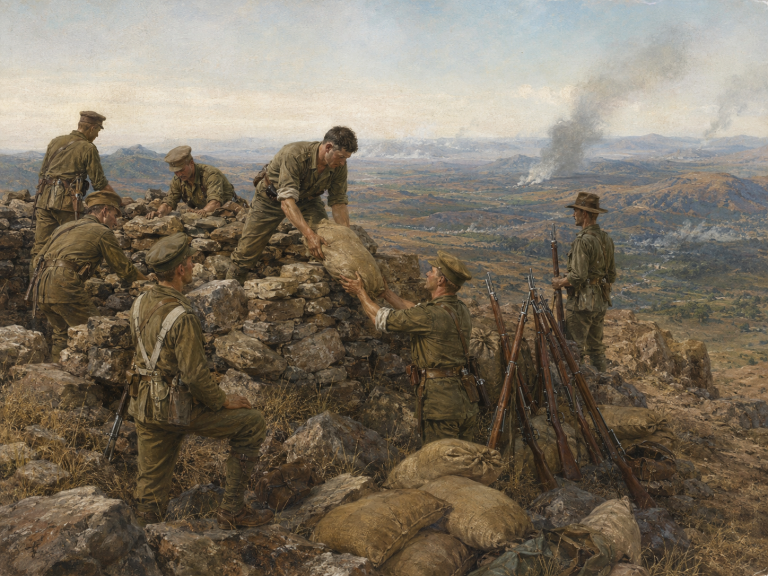
The visit takes place during the South African War, when Ireland remains sharply divided over British imperial policy. Irish soldiers are serving in British regiments overseas, and many families in Limerick have relatives connected with military life. At the same time, strong sympathy for the Boer republics has developed among nationalists who compare their resistance with Ireland’s own demand for self-government. The royal ceremonies therefore possess an unmistakable political character. Cheers for the Queen may express genuine loyalty, but they also occur amid continuing arguments over Home Rule, land ownership, poverty, emigration and British authority.
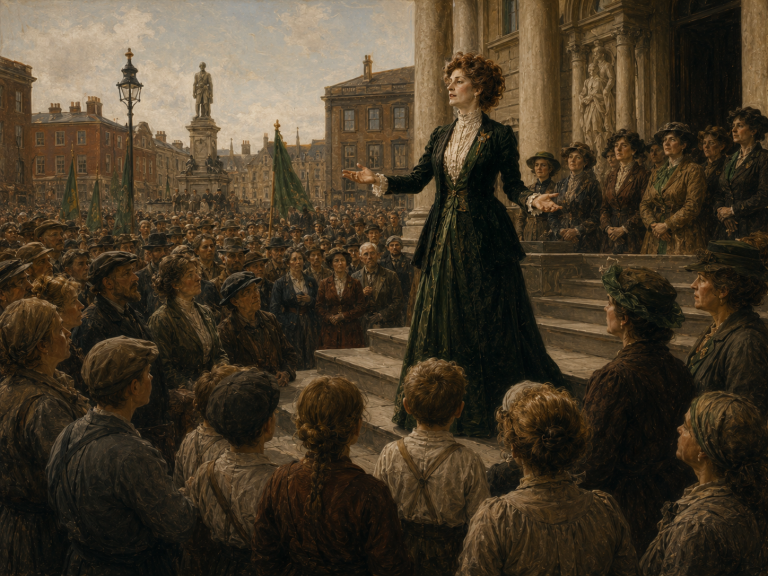
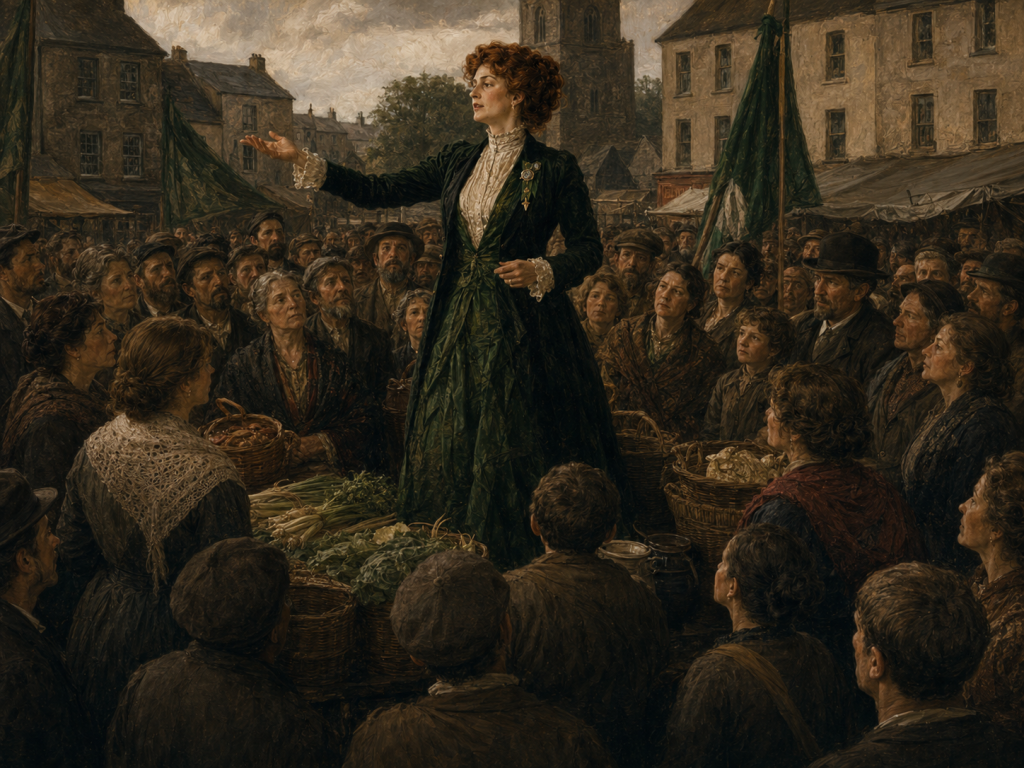
Nationalist opponents have criticised the expense and symbolism of the visit. Maud Gonne and other separatist campaigners have drawn attention to memories of the Great Famine and accused the monarchy of representing an imperial system that failed Ireland during its greatest catastrophe. Such arguments are understood in Limerick, where famine memory, eviction, rural hardship and emigration remain part of family experience. Loyalist residents, however, see the Queen as a source of constitutional stability and regard the hostile demonstrations as an insult to the Crown and to Irish people who continue to identify themselves with the United Kingdom.
The royal programme will continue for several weeks before the Queen departs from Kingstown later this month. Its pageantry may briefly place Dublin at the centre of imperial attention, but it cannot conceal the political divisions revealed by the reception itself. Limerick observers will judge the visit according to their own loyalties, memories and expectations. For some, the decorated capital represents honour and royal recognition. For others, the same arches, flags and military escorts symbolise a government that has not answered Ireland’s national demands. The splendour of the occasion has illuminated division as clearly as loyalty.
Primary Sources
- Queen Victoria, journal entry for 4 April 1900, Royal Archives, Windsor, recording her landing at Kingstown and journey through Dublin. Exact archival reference should be confirmed before formal citation.
- Freeman’s Journal, Dublin, April 1900, contemporary reports on the Queen’s arrival, the decorations in Dublin and the official programme. Exact page and column should be confirmed before formal citation.
- The Irish Times, Dublin, April 1900, detailed coverage of the royal procession, ceremonial arrangements and public reception. Exact page and column should be confirmed before formal citation.
- Limerick Chronicle, Limerick, April 1900, local reports and commentary concerning Queen Victoria’s visit to Ireland. Exact issue, page and column should be confirmed before formal citation.
- Dublin Castle records concerning policing, ceremonial arrangements and official preparations for Queen Victoria’s visit, April 1900. Exact document and archival reference should be confirmed before formal citation.