Archived: 19 September 2026
Abstract
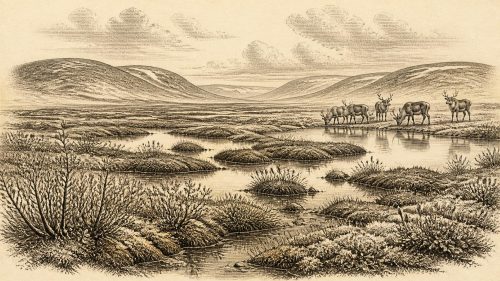
Although 31,145 BCE cannot be assigned precisely, Derryvree, County Fermanagh, preserves a freshwater interval between glacial tills, broadly dated to 36,900–31,700 calibrated BP. Its silts and organic remains reveal treeless, cold, waterlogged tundra with sedges, mosses, dwarf willow and Arctic-alpine plants, demonstrating local wetland life amid fluctuating MIS 3 conditions. Later ice buried and preserved the deposit. Southern caves show mammoth, reindeer, giant deer and predators inhabited Ireland during the broader period. A marked reindeer femur from Castlepook suggests possible human butchery, but no secure occupation evidence exists. The record supports ecological reconstruction, not annual events, settlements, polities or beliefs.
Read Article

Archived: 19 September 2026
Abstract
Thirty-one thousand years BCE is an imprecise modern label for a Late Pleistocene interval, not a documented Irish year. During Marine Isotope Stage 3, Ireland experienced cold, treeless, changing conditions, with ice margins and sea levels fluctuating. Derryvree, County Fermanagh, preserves wetland deposits indicating ice-free ground before later glacial advance. Castlepook Cave, County Cork, contains diverse fauna, including reindeer, mammoth, giant deer, bear, Arctic fox, lemmings and cave hyena, demonstrating intermittent ecological connections with Eurasia. Possible butchery marks suggest human presence, but remain unconfirmed. No settlements are known. Later ice expansion transformed habitats and destroyed or buried much physical evidence.
Read Article
Archived: 19 September 2026
Abstract
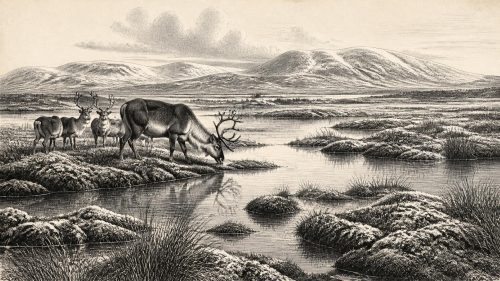
Around 31,147 BCE, Ireland lay within the volatile Late Pleistocene, not a historical year. Organic wetland deposits at Derryvree, County Fermanagh, dated broadly enough to encompass this period, record freshwater habitats between glacial advances. Plant, insect and sediment evidence indicates cold, open, tundra-like terrain with marshes, pools and locally ice-free ground, rather than uniform ice cover or forest. Castlepook Cave, County Cork, preserves diverse Ice-Age fauna, showing Ireland’s ecological connections with north-west Europe. A possibly butchered reindeer bone suggests human presence, but remains unconfirmed and cannot demonstrate settlement. The evidence reveals a shifting, varied landscape whose human history remains uncertain.
Read Article
Archived: 19 September 2026
Abstract
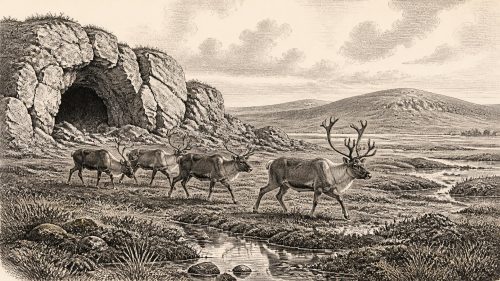
31,148 BCE is a retrospective date within Marine Isotope Stage 3, not a recoverable Irish year. Derryvree, County Fermanagh, preserves freshwater sediments dated broadly to 36,900–31,700 years before present, revealing cold, treeless tundra wetlands between glacial advances. Ireland’s climate, ice extent and coastlines changed regionally, while access routes remained uncertain. Castlepook Cave, County Cork, contains remains of reindeer, mammoth, giant deer and carnivores, demonstrating an Ice Age fauna but not a single contemporaneous community. A possibly tool-marked reindeer femur may indicate early human activity, yet lacks secure context. Later glaciation reshaped landscapes and obscured evidence, leaving a cautious landscape record.
Read Article
Archived: 19 September 2026
Abstract
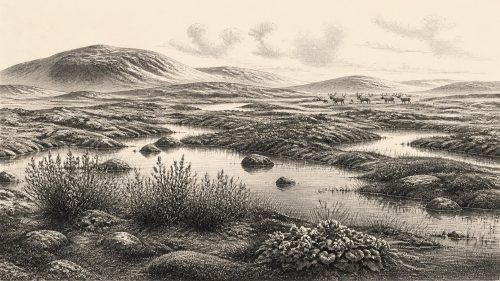
Approximately 31,149 BCE is a notional date within Marine Isotope Stage 3, not a recordable Irish year. Derryvree, County Fermanagh, preserves organic sediments between glacial tills, indicating a locally ice-free, treeless freshwater wetland with sedges, mosses, bogbean and other cold-adapted plants. Castlepook Cave, County Cork, contains a diverse pre-Last Glacial Maximum fauna, including mammoth, reindeer, giant deer, bears, wolves, lemmings and spotted hyaena. These deposits represent extended, disturbed periods rather than a single ecosystem. No secure evidence establishes human settlement; a possibly cut reindeer bone suggests only unresolved, early human activity. Ireland was environmentally dynamic, variable and vulnerable to ice.
Read Article

Archived: 19 September 2026
Abstract
At 31,150 BCE, Ireland lay within the unstable cold conditions of Marine Isotope Stage 3, before the last British–Irish Ice Sheet's maximum. Derryvree, County Fermanagh, preserves freshwater sediments between glacial tills, demonstrating a locally ice-free periglacial interval with open tundra vegetation, pools and sparse herbaceous cover. Cave faunas show that mammals including reindeer, giant deer, mammoth, wolves and hyaenas occurred during the wider period, although dates and contexts vary. A cut-marked reindeer bone from Castlepook Cave may indicate human butchery, but cannot prove settlement. Evidence portrays fluctuating tundra, freshwater habitats, animal movement and uncertain human opportunities, later obscured by glaciation.
Read Article
Archived: 19 September 2026
Abstract
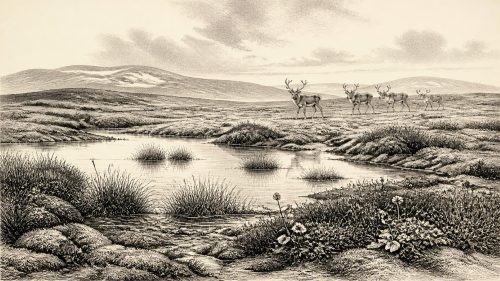
Around 31,151 BCE, Ireland lay in climatically unstable Marine Isotope Stage 3, not a datable historical moment. At Derryvree, County Fermanagh, freshwater sediments between glacial tills, radiocarbon-dated broadly to 36,900–31,700 calibrated BP, record an ice-free local basin before later glaciation. Mosses and plant remains, including bogbean and mountain avens, indicate open tundra wetland with sparse vegetation and severe seasonal conditions. Wider fossil evidence documents reindeer, mammoth, giant deer, wolves and hyaenas, though not contemporaneous communities. No secure human settlement is known; possible cut marks on a reindeer bone remain unconfirmed. Subsequent ice expansion remodelled Ireland and obscured evidence of life.
Read Article
Archived: 19 September 2026
Abstract
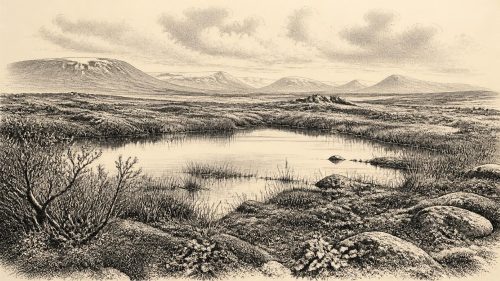
31,152 BCE is a modern approximation within a broad calibrated radiocarbon range, not a precisely recoverable Irish date. At Derryvree near Maguiresbridge, organic freshwater sediments between tills record a local ice-free MIS 3 interval, supporting treeless tundra wetland vegetation amid fluctuating cold conditions. Castlepook Cave preserves diverse pre-Last Glacial Maximum fauna, including mammoth, reindeer, giant deer, predators and scavengers, though remains accumulated over long periods. A possibly tool-marked reindeer femur may indicate brief Upper Palaeolithic human activity, but no settlement is proven. Ireland was nearing expanding glaciation, ecologically linked intermittently to north-west Europe through uncertain routes and changing sea margins.
Read Article

Archived: 19 September 2026
Abstract
Although 31,153 BCE cannot be identified as a recoverable Irish historical year, it falls within the broad calibrated range of Derryvree’s BIRM-166 freshwater deposits in County Fermanagh. Sediments sealed between glacial tills record a cold, non-glacial MIS 3 interval, with tundra-like wetlands containing mosses, sedges, aquatic plants and northern insects. Ireland’s conditions varied greatly as ice advanced and retreated. Castlepook Cave in Cork preserves remains of mammoth, reindeer, giant deer, predators and other continental fauna, indicating intermittent connections across lowered seas. A possibly cut reindeer bone suggests transient human presence, but no secure settlement, artefacts or social history is known.
Read Article
Archived: 19 September 2026
Abstract
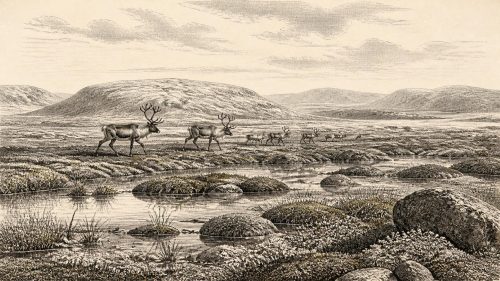
Around 31,154 BCE, Ireland lay within a climatically unstable Late Pleistocene interval, not a precisely recoverable historical year. Derryvree, County Fermanagh, preserves freshwater sediments between glacial tills, showing locally ice-free, cold wetland conditions with pools, mosses and tundra vegetation. Radiocarbon evidence dates this interval broadly, rather than annually. Ireland was approaching renewed extensive glaciation, amid abrupt climatic shifts. Castlepook Cave, County Cork, contains a diverse cold-stage fauna, including mammoth, reindeer, giant deer and predators. A marked reindeer bone may indicate human activity, but cannot demonstrate settlement, permanence or social organisation. Evidence remains fragmentary, local and ecologically rather than politically informative.
Read Article

