Archived: 26 October 2026
Abstract
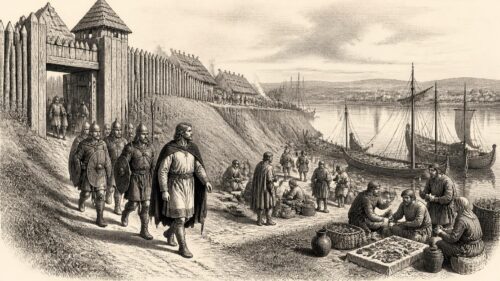
For Ireland, 979 is a year best approached through a small but unusually revealing cluster of annalistic notices. No surviving source supplies a continuous narrative, and none explains every motive or consequence. Yet the recorded capture of Domnall Claen, king of Leinster, by the foreigners of Dublin exposes the political weight of the Hiberno-Norse town at the mouth of the Liffey. Deaths and killings among rulers in Offaly, Dál Araide and Cenél Conaill show, at the same time, that power remained fragmented across many regional kingdoms. Notices of a Kildare church leader, a Clonmacnoise scholar-cleric and a foremost man of
Read Article
Archived: 26 October 2026
Abstract
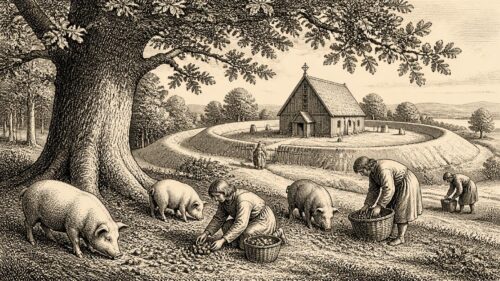
In 981, Irish annals recorded local political, ecclesiastical and environmental developments rather than a unified national story. Domnall ua hAitid, king of Uí Echach, and Loingsech son of Fogartach of Uí Nialláin killed one another, exposing fragility of regional lordship. Anmchad, elderly bishop of Kildare, died, confirming that church’s wide authority. Deaths also included successors of saints Feichín, Brendan and Comgall, whose communities sustained property, ritual and learning across Ireland. Although Máel Sechnaill’s previous victory had strengthened midland overkingship, regional rivalries endured. An unusual mast-crop highlighted woodland’s economic importance for pigs, provisioning and seasonal resources throughout early medieval Irish society.
Read Article
Archived: 26 October 2026
Abstract
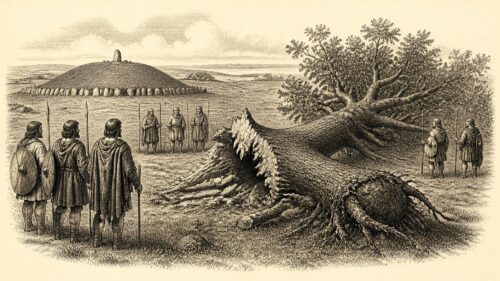
In 982, Máel Sechnaill mac Domnaill, king of Tara, raided Dál Cais territory and uprooted the Tree of Mag Adair, an inauguration symbol challenging Brian’s growing Munster power. Annalistic dating varies, but several sources connect these events with 982. Munster forces raided Osraige, gaining booty but suffering losses, while Ímar of Waterford plundered or destroyed Kildare, exposing the wealth and vulnerability of major churches. Deaths and killings among rulers in Leinster, Ulster, Connacht and smaller kingdoms highlighted unstable successions. The year reveals Ireland as interconnected competing lordships, where raids, sacred sites, ecclesiastical wealth and dynastic authority shaped political power throughout.
Read Article
Archived: 26 October 2026
Abstract
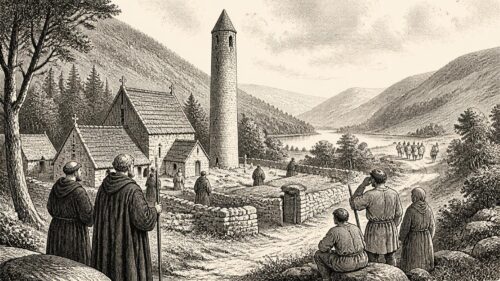
In 983, amid disputed annalistic dating, Ireland experienced overlapping conflicts rather than a unified war. Máel Sechnaill of Mide and his Dublin half-brother Glún Iairn routed Domnall Claen of Leinster and Ímar of Waterford, then ravaged Leinster. Dubliners plundered the wealthy monastic centre of Glendalough, illustrating the town’s complex political role. Brian mac Cennétig launched a fleet expedition into Connacht, suffered losses, and extended pressure through Osraige and Leinster by plunder and hostage-taking. Annals note ecclesiastical deaths at Lismore and Armagh, revealing institutions enduring amid warfare. The year demonstrates interconnected yet fragmented powers competing through kinship, raiding, waterways and coercion.
Read Article
Archived: 26 October 2026
Abstract
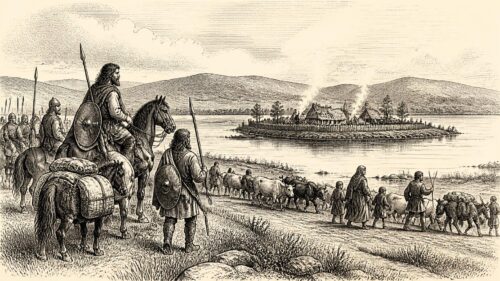
In 984 Máel Sechnaill mac Domnaill, king of Mide and Tara, campaigned into Connacht, burning Mag Aí, killing leading men and attacking island settlements, probably crannogs. Connacht retaliated eastwards at Loch Aininn, or Lough Ennell, burning land and killing the king of Fir Chell. Annalistic dating varies between 984 and 985, reflecting chronological differences rather than separate campaigns. Deaths of ecclesiastical leaders, including Fogartach Ua Congaile of Daiminis, highlighted churches’ political and learned importance. Domnall Claen of Leinster was killed by Uí Cheinnselaig rivals. Together, these events reveal interconnected lordships, warfare, ecclesiastical authority and unstable regional kingship in tenth-century Ireland.
Read Article
Archived: 26 October 2026
Abstract
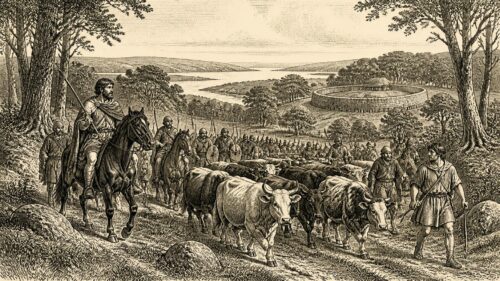
In 985, Ireland remained divided among competing regional kingships rather than united under a single state. Máel Sechnaill of Mide raided Connacht, destroying crannógs and killing chieftains, while internal conflict included the death of Fearghal of the Fiachra kindred. In Munster, Brian son of Cennétig retaliated after Déisi men stole three hundred cattle from his mercenaries, devastating the territory and pursuing Domnall son of Faelán to Waterford. An abundant mast crop aided rural livestock husbandry. Leinster’s king, Diarmait son of Uathmarán, died. Annals securely date these events to 985, illustrating warfare, resources, local authority and unstable political relationships across Ireland.
Read Article
Archived: 26 October 2026
Abstract
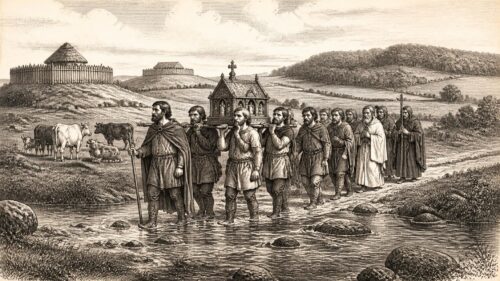
In 986, an episode involving the shrine of St Patrick brought royal authority, local conflict and ecclesiastical privilege into unusually sharp focus. The surviving annals are brief, and their differing chronologies require care, but the central record is clear enough: Máel Sechnaill mac Domnaill, king of Tara and ruler of Mide, removed Patrick’s shrine from Áth Firdiad, modern Ardee, to Áth Sige during a war involving the sons of Cairellán. A settlement followed. The king then rendered what the annalist calls Patrick’s due: a visitation involving the men of Mide, clergy and laity alike, hospitality or a feast from every
Read Article
Archived: 26 October 2026
Abstract
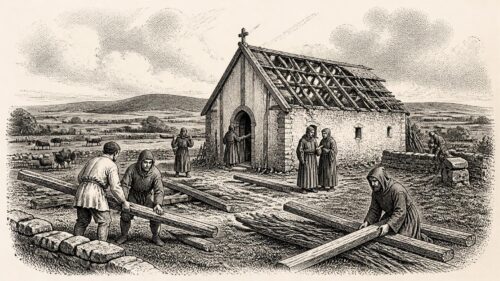
In the annalistic sequence around 987, Ireland experienced severe insecurity from disease, livestock mortality and storm damage. The Annals of Tigernach describes a deadly eastern illness interpreted through demonic imagery, alongside the onset of máelgarb, an unusual cattle murrain whose precise nature remains uncertain. A great wind destroyed many buildings, including Louth’s oratory, disrupting a significant ecclesiastical centre. Differing annal dates prevent precise modern chronology. These reports illuminate vulnerabilities affecting households, churches and political economies dependent on cattle, labour and resources. They occurred amid Máel Sechnaill’s overkingship and Brian Bóruma’s rise, but do not establish an event for that year.
Read Article
Archived: 26 October 2026
Abstract
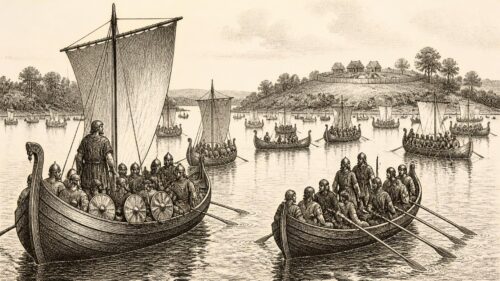
In 988, Brian son of Cennétig, Munster’s dominant ruler, launched a fleet of 300 vessels onto Lough Ree, using the Shannon waterways to raid Mide and reach Uisneach. The expedition demonstrated mobilisation and challenged the political landscape dominated by Máel Sechnaill of Tara, but did not establish Brian’s rule over Ireland. A detachment of twenty-five boats entering Connacht suffered heavy losses, although it killed Muirgius, a Connacht royal heir; Dúnlang, a prominent ally, also died. Differing annalistic year systems complicate dating. The campaign formed part of Brian’s wider waterborne strategy, revealing ambition, logistical capacity, and the resilience of rival kingdoms.
Read Article
Archived: 26 October 2026
Abstract
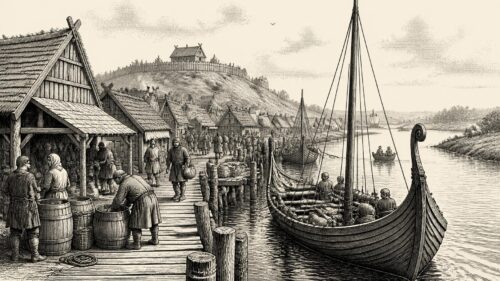
The annals for 989 preserve a year of abrupt reversals. Ireland was not a single kingdom, nor was its political life divided neatly between ‘Irish’ and ‘Viking’. Kingship was exercised through shifting local alliances, hostage-taking, tribute, raiding and control of major churches. The most striking entry is the death of Glún Iairn, king of the foreigners of Dublin, killed while drunk by his own slave. Yet 989 mattered just as much in the north: Dún Lethglaise, modern Downpatrick, was plundered and burned; a ruler of the Isles was killed in Dál Riata; and the successor of St Patrick at Armagh
Read Article

