Archived: 10 October 2026
Abstract
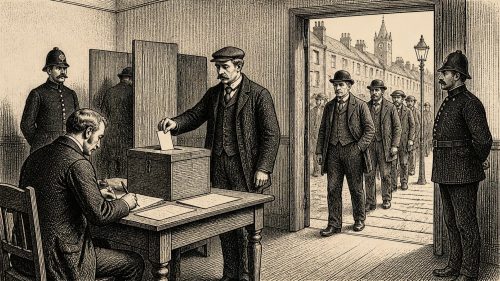
In 1872, the Ballot Act introduced secret voting for Irish parliamentary and municipal elections, first tested at Londonderry City, where Conservative Charles Lewis won a four-cornered by-election. Franchise restrictions and local religious, social and political influence nevertheless persisted. Isaac Butt’s Home Rule movement expanded through contested elections, linking constitutional reform with tenant grievances. Repeal of the Party Processions Act enabled nationalist demonstrations: Derry’s passed peacefully, but Belfast’s Hannahstown procession preceded severe sectarian rioting, deaths and displacement. Religious education, Church affairs, agricultural change, urban institutions and literary publication reflected pressures. Lord Mayo’s assassination in India highlighted Ireland’s connections to imperial government.
Read Article
Archived: 16 October 2026
Abstract
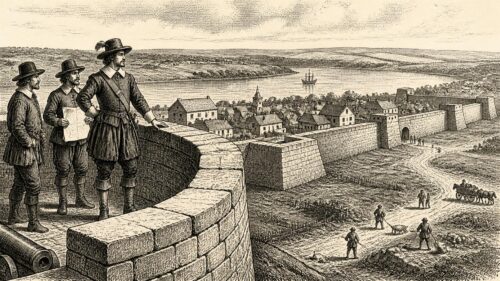
1619 was marked by surveys, construction and institutional change rather than a single national event. Captain Nicholas Pynnar’s inspection of Ulster Plantation estates assessed fortifications, settlers, farms, mills, arms and compliance, revealing uneven progress and persistent Irish presence. At Londonderry, newly completed walls demonstrated Crown authority, but sparse population, incomplete gates and inadequate watch shelter exposed vulnerability. A May deadline sought removal of Irish occupants from undertakers’ lands, though implementation proved limited. Estate houses, churches, schools and mills advanced colonial order. Dublin saw administrative government, episcopal succession and Ireland’s first medical book printed, foreshadowing enduring social and confessional tensions ahead.
Read Article
Archived: 17 October 2026
Abstract
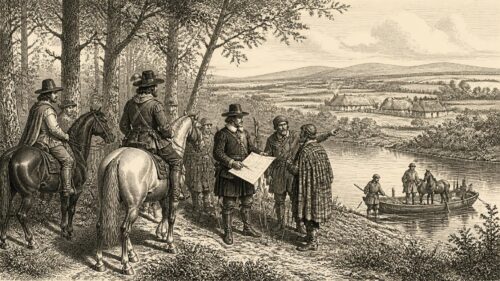
In 1608, Sir Cahir O’Doherty, formerly a Crown ally and lord of Inishowen, rebelled amid disputes over land, authority and Governor George Paulet’s conduct. His followers seized Culmore Fort, stormed, plundered and burned Derry, killing Paulet, but failed to create a wider Ulster coalition. Crown forces suppressed the rising after O’Doherty’s death near Kilmacrennan in July, followed by reprisals and executions. The revolt intensified official distrust of Gaelic landholders and expanded forfeitures. Surveys of six Ulster counties documented lands and resources for redistribution, while planning for plantation advanced. Deaths among exiled Gaelic leaders further weakened resistance, leaving Crown power strengthened.
Read Article
Archived: 17 October 2026
Abstract
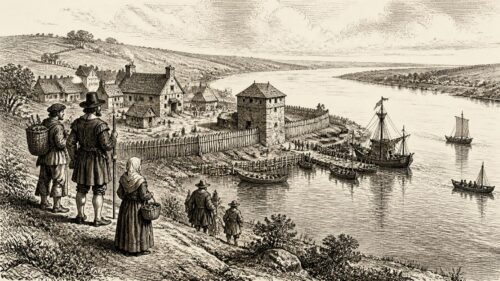
In 1604, after the Nine Years’ War, the crown sought to convert military victory in Ireland into durable administration. James I’s 11 July charter for Derry envisaged a fortified commercial town on the Foyle, combining garrison, trade, law and settlement, though it preceded the later Ulster Plantation. Recovery remained painful amid famine, displacement and contested land rights; Brian Óg O’Rourke’s death symbolised defeated resistance. Knighthoods, patents and territorial grants rewarded cooperative elites while reshaping Gaelic lordship and provoking rivalries. Anglo-Spanish peace reduced prospects of intervention. Arthur Chichester’s appointment and John Davies’s policies foreshadowed stronger crown government, surveys and planned settlement.
Read Article




