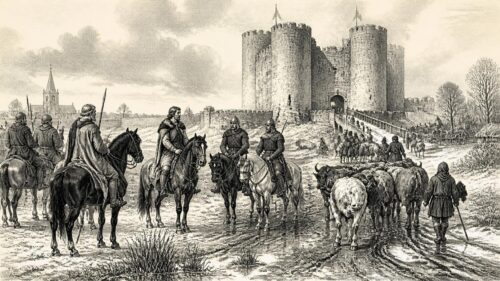
Archived: 20 October 2026
Abstract
In 1425, Edmund Mortimer, the king’s lieutenant and earl of March and Ulster, died suddenly at Trim while pursuing agreements with northern Gaelic lords. His death undermined a fragile settlement, followed by arrests of visitors and worsening Ulster conflict. James Butler, earl of Ormond, became lieutenant and negotiated written alliances with the Meic Mathghamhna and Éoghan Ó Néill. In Connacht, Toirrdelbach Ruad Ó Conchobair died and Cathal, son of Ruaidrí, succeeded amid violence. Brian Ballach Mac Uí Néill Buidhe was killed at Carrickfergus. Severe winter weather devastated cattle, crops and people, while records showed religious and learned life across Ireland.
Read Article
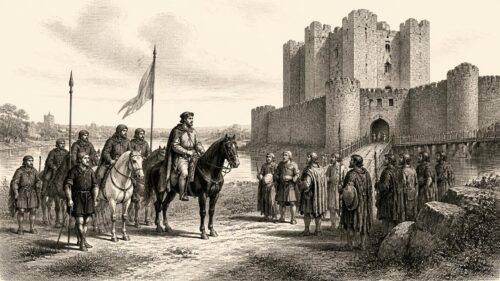
Archived: 20 October 2026
Abstract
In 1424, Ireland’s political map was defined less by a single national struggle than by a series of overlapping lordships, rival dynasties and negotiated allegiances. The English crown governed most directly from Dublin and its surrounding lordship, but royal office depended upon the cooperation of magnates whose power reached well beyond the formal limits of crown administration. Gaelic rulers, Hiberno-Irish dynasties and English settlers all made and remade local political worlds through warfare, tribute, marriage, submission and the possession of castles. The year is especially notable for the arrival in Ireland of Edmund Mortimer, earl of March and Ulster, as
Read Article
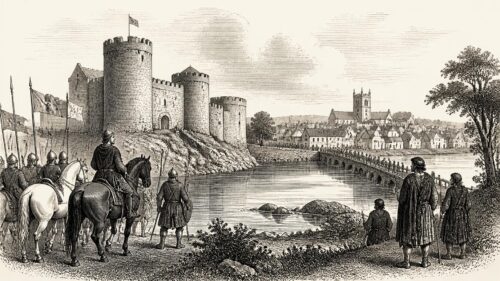
Archived: 21 October 2026
Abstract
In 1381, Ireland’s political geography was defined less by a single frontier than by a patchwork of competing lordships, castles, family claims and negotiated loyalties. King Richard II was lord of Ireland, but royal government was strongest in and around the Anglo-Irish towns and lordships of the east and south-east. Beyond them, Gaelic rulers, Gaelicised settler dynasties and Crown officers all exercised power in overlapping ways. The year’s clearest focal point was Athlone: a fortified crossing of the Shannon whose possession mattered not merely to the town, but to the balance between Meath and Connacht.Edmund Mortimer, earl of March and
Read Article
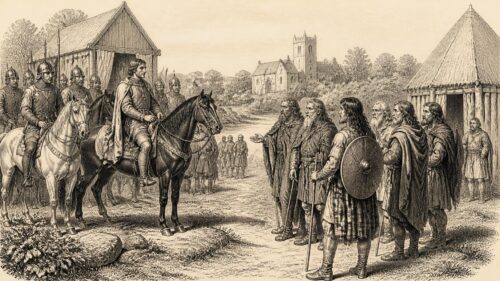
Archived: 21 October 2026
Abstract
In 1380 Edmund Mortimer, Richard II’s lieutenant and claimant to Ulster and Connacht, brought military resources and royal authority to Ireland. Gaelic rulers, notably Niall Mór Ó Néill, initially accommodated him, but Mortimer’s treacherous arrest of Art Mág Aonghusa damaged confidence and exposed limits to his influence. Campaigning in Ulster coincided with dynastic killings, territorial conflicts and successions among Gaelic and Anglo-Irish lordships across Ireland. In Dublin, Mortimer summoned parliament, secured clerical taxation for defence, and enforced discriminatory religious admissions rules. Murage at Ardee and ecclesiastical deaths reflect administrative and social continuity. The year demonstrated Ireland’s fragmented, contested political order.
Read Article





