Archived: 26 October 2026
Abstract
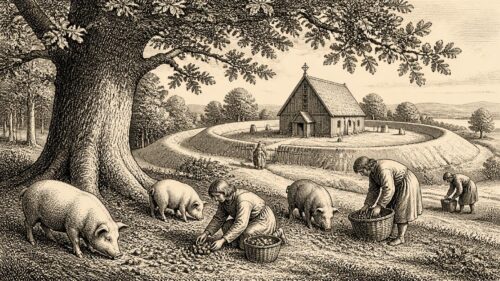
In 981, Irish annals recorded local political, ecclesiastical and environmental developments rather than a unified national story. Domnall ua hAitid, king of Uí Echach, and Loingsech son of Fogartach of Uí Nialláin killed one another, exposing fragility of regional lordship. Anmchad, elderly bishop of Kildare, died, confirming that church’s wide authority. Deaths also included successors of saints Feichín, Brendan and Comgall, whose communities sustained property, ritual and learning across Ireland. Although Máel Sechnaill’s previous victory had strengthened midland overkingship, regional rivalries endured. An unusual mast-crop highlighted woodland’s economic importance for pigs, provisioning and seasonal resources throughout early medieval Irish society.
Read Article
Archived: 26 October 2026
Abstract
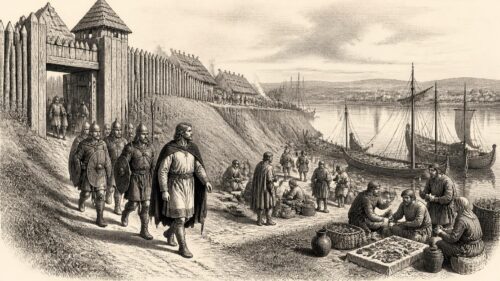
For Ireland, 979 is a year best approached through a small but unusually revealing cluster of annalistic notices. No surviving source supplies a continuous narrative, and none explains every motive or consequence. Yet the recorded capture of Domnall Claen, king of Leinster, by the foreigners of Dublin exposes the political weight of the Hiberno-Norse town at the mouth of the Liffey. Deaths and killings among rulers in Offaly, Dál Araide and Cenél Conaill show, at the same time, that power remained fragmented across many regional kingdoms. Notices of a Kildare church leader, a Clonmacnoise scholar-cleric and a foremost man of
Read Article
Archived: 28 October 2026
Abstract
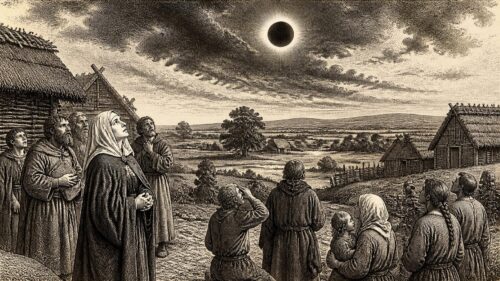
On 16 June 885, a total solar eclipse, recorded as daylight darkening and stars appearing, provides a secure chronological anchor for conflicting Irish annalistic dates. The year also brought major losses at Kildare: Abbess Tuileflaith, Bishop Scannal and Muiredach son of Bran, king of Leinster and abbot, died, while a secret killing was reported without explanation. Máel Pátraic, king of Airgialla, was slain by associates. Other royal and ecclesiastical deaths affected Brega, Meath, Clonfert and Glasnevin. No campaign or Viking raid is attested. An alleged speaking infant at Craeb Laisre shows annalists preserved marvels alongside wider political and religious change.
Read Article

Archived: 30 October 2026
Abstract
In 778, securely dated through the Annals of Ulster, Ireland endured interconnected crises. Kildare burned on 11 June, alongside Cluain Mór Maedóc and Cell Delge, damaging ecclesiastical settlements central to worship, learning and local economies. Continuing cattle disease, deaths from want, an island-wide epidemic termed smallpox, and an autumn storm intensified insecurity. Political conflict persisted: Donnchad of Clann Cholmáin took northern hostages; regional kings died or were killed; and Breislén of Béirre defeated Fergal of Desmumu. Deaths of bishops and abbots, including at Fursa’s French monastery, demonstrate ecclesiastical networks beyond Ireland. The annals reveal intertwined religious, economic and political vulnerability.
Read Article
Archived: 31 October 2026
Abstract
In 758, Irish annals record regional political and ecclesiastical transitions rather than an island-wide crisis. At Druim Róbaig in Connacht, Uí Briúin defeated Uí Fhiachrach; Ailill grandson of Dúnchad prevailed, while Tadc son of Muirdibur and three grandsons of Cellach were killed. Deaths included Niallgus, king of the Déisi of Brega, Cathal of Uí Chennselaig, and Aed of the Ciannachta. Céile Petair, abbot of Armagh, and Marthu, abbess of Kildare, also died. These notices reveal Ireland's regional lordships, kin-based succession and influential churches, while their selectivity precludes claims about nationwide conditions, causes, or outcomes beyond the sparse surviving evidence available.
Read Article
Archived: 1 November 2026
Abstract
In 709, although annalistic year-numbering varies, Congal Cennmagair of Cenél Conaill died suddenly, reportedly in a fit, ending his kingship of Tara. Fergal son of Máel Dúin of Cenél nÉogain succeeded, reflecting competitive Uí Néill dynastic politics rather than automatic inheritance or unified national rule. The annals also record the burning of Cell Dara, later Kildare, a wealthy and influential Leinster ecclesiastical centre, but provide neither cause nor extent of damage. Deaths of the abbots of Iona and Lorrha underline interconnected Irish Sea religious networks. Together these notices reveal entwined royal, ecclesiastical, economic and patronage systems amid persistent historical uncertainty.
Read Article
Archived: 1 November 2026
Abstract
In 708, Cill Dara, modern Kildare, suffered a destructive fire, although annals provide no cause, casualties or details of damage. The disaster followed the death of its bishop, Mael Dóbarchon, and required resources and patronage for recovery. Congal Cennmagair of Cenél Conaill, a leading Uí Néill overking, also died suddenly, prompting Fergal of Cenél nEógain’s accession around 708–709. Obituaries for the abbots of Iona and Lorrha demonstrate ecclesiastical networks extending across Ireland and the Irish Sea. These events reveal a rural, politically fragmented society dependent on churches, agriculture, kinship, tribute and personal leadership, vulnerable to fire, death and shifting alliances.
Read Article
Archived: 1 November 2026
Abstract
In 696 CE, Irish annalists recorded a striking concentration of deaths and killings among rulers, ecclesiastics and men of high rank. The fullest contemporary-looking notices name the killing of Lóchéne Menn, the learned abbot of Cell Dara (Kildare); the deaths of Finguine, king of Munster, Fergal of Aidhne, and Congalach of Brega; and the killing of Domnall son of Conall Crandomna. The notices are brief, often frustratingly so, but they reveal a year in which power changed hands across several regions and in which a leading monastery suffered the violent loss of its head. Dating a Sparse Year The evidence
Read Article
Archived: 2 November 2026
Abstract
In 685 CE, Ireland’s surviving record is unusually sparse, but it is not empty. The year is best approached through a small, difficult cluster of annalistic notices: the death of Banbán ‘Os Cach’, described as a learned man and, in the fuller notice of the Annals of Tigernach, lector of Kildare; the repose of Forcrann, abbot of Clonmacnoise; and events in northern Britain recorded by Irish writers, above all the defeat and death of the Northumbrian king Ecgfrith at Dún Nechtain on 20 May. These sources do not preserve a single narrative of Ireland in 685. Their differing chronological systems
Read Article
Archived: 4 November 2026
Abstract
In 639 CE, the most significant Irish development that can be placed with reasonable confidence in this calendar year was the death of Áed Dub, bishop and abbot of Kildare. His obituary is brief, but it illuminates a great deal: in seventh-century Leinster, an important church could be led by a member of a ruling dynasty, and religious office could be an instrument of regional authority as well as pastoral care. The year’s surviving notices also record deaths at Nendrum and Leighlin, the killing of a man named Congal son of Dúnchad, the death of Ailill son of Áed Rón,
Read Article





