
Archived: 13 October 2026
Abstract
In 1709, wartime pressures, food regulation and fears of Jacobite loyalty shaped Irish government. Proclamations restricted grain exports, addressed market manipulation and crime, and linked public worship to British military fortunes, without proving a nationwide famine. Parliament reinforced the penal system through an abjuration oath, tighter controls on Catholic clergy, education, property and employment. Dublin received about 3,000 Protestant Palatine refugees, whose protection and settlement posed practical challenges. Samuel Molyneux’s Connacht journey recorded poor roads, domestic textiles, poverty, improvement and cultural division. By December, Hougher violence against cattle reflected resistance to pasture expansion and smallholders’ displacement, revealing sharper social contestation.
Read Article
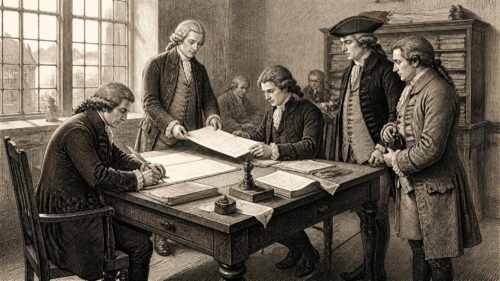
Archived: 13 October 2026
Abstract
In 1708, Ireland’s new Registry of Deeds entered its first memorial, strengthening recorded property claims while serving a Protestant order shaped by confiscation and penal laws. During the French-backed Jacobite invasion scare, Dublin Castle issued anti-Catholic proclamations and detained clergy and gentlemen, though no rebellion followed. Parliament was prorogued under Lord Lieutenant Pembroke, while Thomas Wharton’s appointment foreshadowed change. Belfast Castle burned, killing three Donegall daughters and servants. Samuel Molyneux’s northern tour recorded contrasting landscapes, rebuilding, Belfast’s growth and Ulster’s developing linen trade. Thomas Milles became bishop of Waterford and Lismore in 1708, illustrating the Church of Ireland’s institutional authority.
Read Article
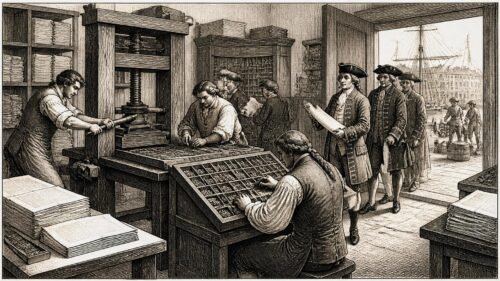
Archived: 13 October 2026
Abstract
In 1705, Dublin Castle established the Dublin Gazette, printed by Edwin Sandys under official scrutiny, to circulate authorised news and restrain rumour. Ormond’s parliament, meeting from February to June under Queen Anne, imposed consumption duties and regulated tolls, measures, horse theft, debtors and mineral property amid wartime pressures. It strengthened penal supervision of Catholic clergy, restricting unregistered priests while the established Church of Ireland retained political privilege. Westminster permitted direct exports of specified Irish linen to English American plantations, encouraging linen while preserving English commercial control. Together, these measures expanded Protestant government through taxation, surveillance, economic regulation and controlled publicity.
Read Article
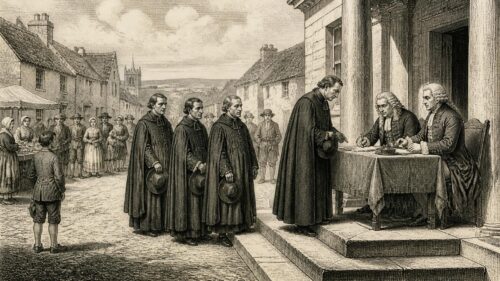
Archived: 13 October 2026
Abstract
In 1704, Queen Anne’s Irish parliament enacted measures reinforcing Protestant political supremacy after the Williamite wars. The Popish Clergy Register required Catholic secular priests to register, provide sureties and remain locally confined, while excluding new clergy and threatening noncompliance with punishment. Its companion Popery Act restricted Catholic inheritance, education, conversion, office holding and family autonomy, though implementation varied. Parliament simultaneously encouraged Protestant immigrants, notably Huguenots, through selective naturalisation. Other statutes established Dublin’s coercive workhouse system and regulated credit, excise and livestock trade. These measures classified clergy, heirs, migrants and poor people, extending state supervision into worship, households, markets and streets.
Read Article
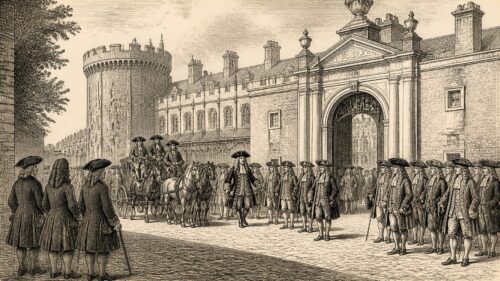
Archived: 13 October 2026
Abstract
In 1703 Queen Anne appointed James Butler, duke of Ormond, as lord lieutenant, hoping his influence would manage Ireland’s Protestant parliament. Meeting in September, parliament approved liquor excise, trade-related imports, and legislation strengthening restrictions on arriving Catholic clergy, amid wartime fears of France, Spain and Jacobitism. MPs also petitioned for constitutional restoration or union with England, expressing resentment over trade and political subordination. Church and judicial appointments reinforced Protestant administration. Kinsale hosted Dampier’s privateering expedition to the South Seas. Parliament considered navigation improvements linking Lough Neagh, Newry, the Barrow and trade, revealing ambitions for development within an unequal, confessional kingdom.
Read Article
Archived: 13 October 2026
Abstract
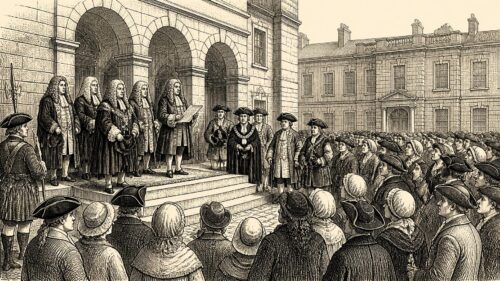
William III’s death brought Queen Anne to the thrones of England, Scotland and Ireland, proclaimed in Dublin on 18 March. Her accession preserved a Protestant administration founded after Williamite war, while Catholics remained politically excluded and Jacobite legitimacy persisted. Ireland was governed by lords justices after Rochester’s departure, with Thomas Erle combining military and civil responsibilities amid War of Spanish Succession. Protestant elites resented Westminster’s resumption of forfeited estates and restrictions on woollen exports. December consultations at Dublin Castle addressed parliament, taxation and war costs without resolution. Michael Boyle died; Portarlington Huguenots gained lease security; Swift received his Trinity doctorate.
Read Article




