Archived: 29 October 2026
Abstract
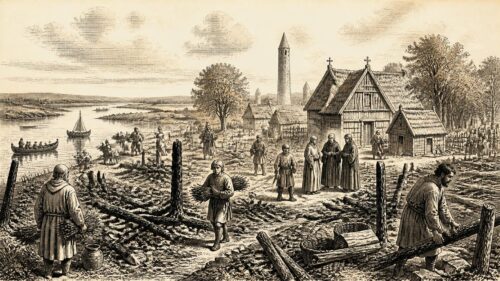
Events conventionally assigned to 816 reveal both chronological uncertainty in Irish annals and disruption. Almost half of Clonmacnoise, a timber-built Shannon monastery and centre, burned; no source identifies the cause. Thirty days later its abbot, Suibne son of Cuanu, died, compounding pressures on recovery and leadership. In Connacht, following overking Muirgius’s death, Diarmait son of Tommaltach fought Uí Fhiachrach, burning and plundering Foibrén and killing many common people; Cathal son of Ailill died. A battle involving Uí Maine is linked to conflicts but variously dated 816 or 818. Other notices record ecclesiastical deaths and burning, underscoring churches’ vulnerability amid warfare.
Read Article
Archived: 30 October 2026
Abstract
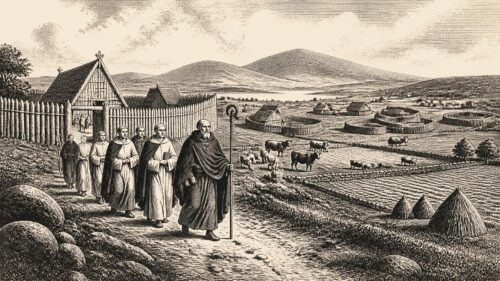
In 786, annalistic evidence depicts Ireland as politically fragmented but connected by ecclesiastical networks. In Connacht, the Uí Briúin were defeated at Gola, while the Uí Fhiachrach of Muirisc killed Flaithgal of Umall and his nobles; Tipraite of Connacht and Conall of Uí Maine also died. In the north, Máel Dúin of Cenél nEógain defeated and expelled Domnall of Cenél Conaill. Dub dá Bairenn, abbot of Clonard, visited Clonard’s Munster ecclesiastical sphere. Deaths among abbots, bishops, scholars and ascetics, notably at Kildare, underline church institutions’ importance. They nonetheless show clearly volatile local lordship, rural dependence, and durable religious authority throughout.
Read Article
Archived: 30 October 2026
Abstract
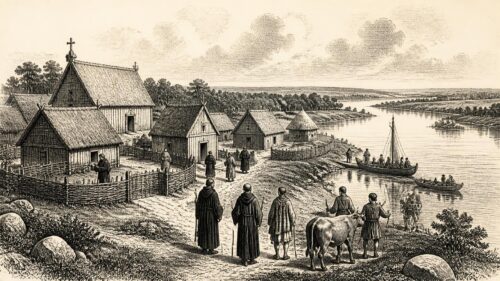
Conventionally dated to 768, the annals record transitions rather than a national crisis in Ireland. Dub Innrecht, Uí Briúin king of Connacht, died from bloody flux, creating an undocumented succession question but not evidence of epidemic or civil war. Ecclesiastical leadership changed with the deaths of Aedán of Lismore, the senior abbot at Clonmacnoise, Fer dá Crích son of Suibne at Armagh, and Coibdenach of Cell Tóma. Eithne of Brega, styled queen of Tara’s kings, was praised for penance. These selective notices illuminate intertwined dynastic, religious and economic authority in a rural, fragmented Ireland connected to Britain through learned networks.
Read Article
Archived: 30 October 2026
Abstract
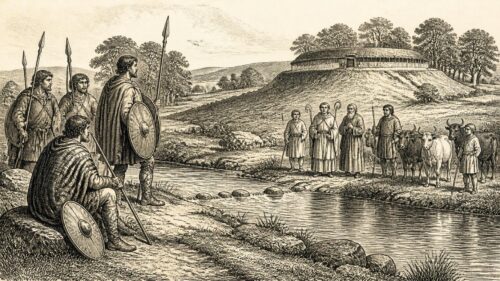
In annalistic year 766, Ireland’s fragmentary records reveal political rivalry and ecclesiastical links. Folloman, king of Mide, was treacherously killed after supporting Donnchad Midi, while fighting between Mide and Brega claimed Máel Uma and Donngal. In Connacht, Dub Innrecht’s Uí Briúin defeated the Conmaicne at Sruthair, killing many, including Áed Dub. In Munster, Uí Fhidgeinte and Araid Cliach defeated Máel Dúin at Énboth Breg. Crimthann, abbot of Clonfert, died, and Suibne, abbot of Iona, visited Ireland. These notices depict competing dynasties, powerful churches, and Irish Sea connections, while leaving ordinary life largely unrecorded and offer no evidence of Viking raids.
Read Article
Archived: 31 October 2026
Abstract
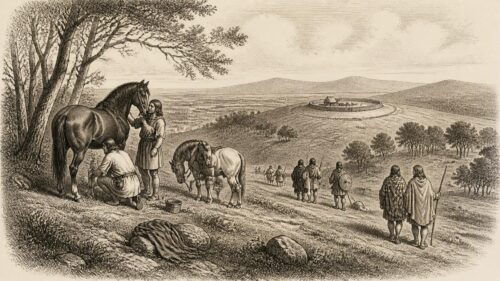
In 758, Irish annals record regional political and ecclesiastical transitions rather than an island-wide crisis. At Druim Róbaig in Connacht, Uí Briúin defeated Uí Fhiachrach; Ailill grandson of Dúnchad prevailed, while Tadc son of Muirdibur and three grandsons of Cellach were killed. Deaths included Niallgus, king of the Déisi of Brega, Cathal of Uí Chennselaig, and Aed of the Ciannachta. Céile Petair, abbot of Armagh, and Marthu, abbess of Kildare, also died. These notices reveal Ireland's regional lordships, kin-based succession and influential churches, while their selectivity precludes claims about nationwide conditions, causes, or outcomes beyond the sparse surviving evidence available.
Read Article


